 (Image source: Gemini)
 You have likely noticed the shift. A few years ago, landing a remote job felt like finding a secret menu item at a restaurant. Now, it is the main course everyone is ordering. But here is the catch: the kitchen is backed up. The competition for a laptop-and-sweatpants lifestyle is fiercer than ever. Recent data from 2025 showed a staggering paradox. Remote roles attract about 60% of all job applications, yet they only make up roughly 20% of total job postings. You find a great listing, and by the time you click "apply" two hours later, there are already 400 other candidates in the queue.
So what does this actually mean for your job search? It means the old way of applying is dead. You cannot just be "good" at your job anymore. You have to be "remote-ready" in a way that is obvious within three seconds of someone looking at your profile. Success today requires moving beyond your basic technical qualifications. You need to demonstrate specific, remote-first competencies that prove you can handle the isolation and the tech hurdles of a virtual office.
We will walk you through the three pillars of standing out in this crowded market. We will look at the skills that actually matter now, how to fix your digital presence, and how to nail the interview from your spare bedroom.
Mastering the Remote-First Skill Stack Beyond Technical Competence
It is tempting to think that your coding skills or your marketing expertise will carry you through. Although those are important, they are the entry fee. The real filter for remote recruiters is your soft skill set. 92% of hiring managers now consider these "human skills" to be just as important as your technical background.
Think of asynchronous communication as your new superpower. In a remote setting, you do not have the luxury of walking over to a colleague's desk to clarify a confusing email. You have to be able to write clear, concise updates that do not require a real-time meeting to explain. If you can prove that you provide proactive documentation and clear project handoffs, you are already ahead of half the applicant pool.
Then there is the matter of digital fluency. Are you "familiar" with Slack and Zoom, or do you actually know how to use them professionally? This includes everything from proper Slack etiquette to mastering tools like Notion or Confluence for team knowledge sharing. Being able to give a virtual presentation that does not feel like a technical glitch is a rare and valuable skill.
Finally, you have to show that you have measurable self-discipline. Remote managers are terrified of "hand-holding." They want to see examples of how you have managed your own time and hit goals without someone looking over your shoulder. When you talk about your work, focus on the results you delivered autonomously.
Creating a Remote-Optimized Personal Brand and Portfolio
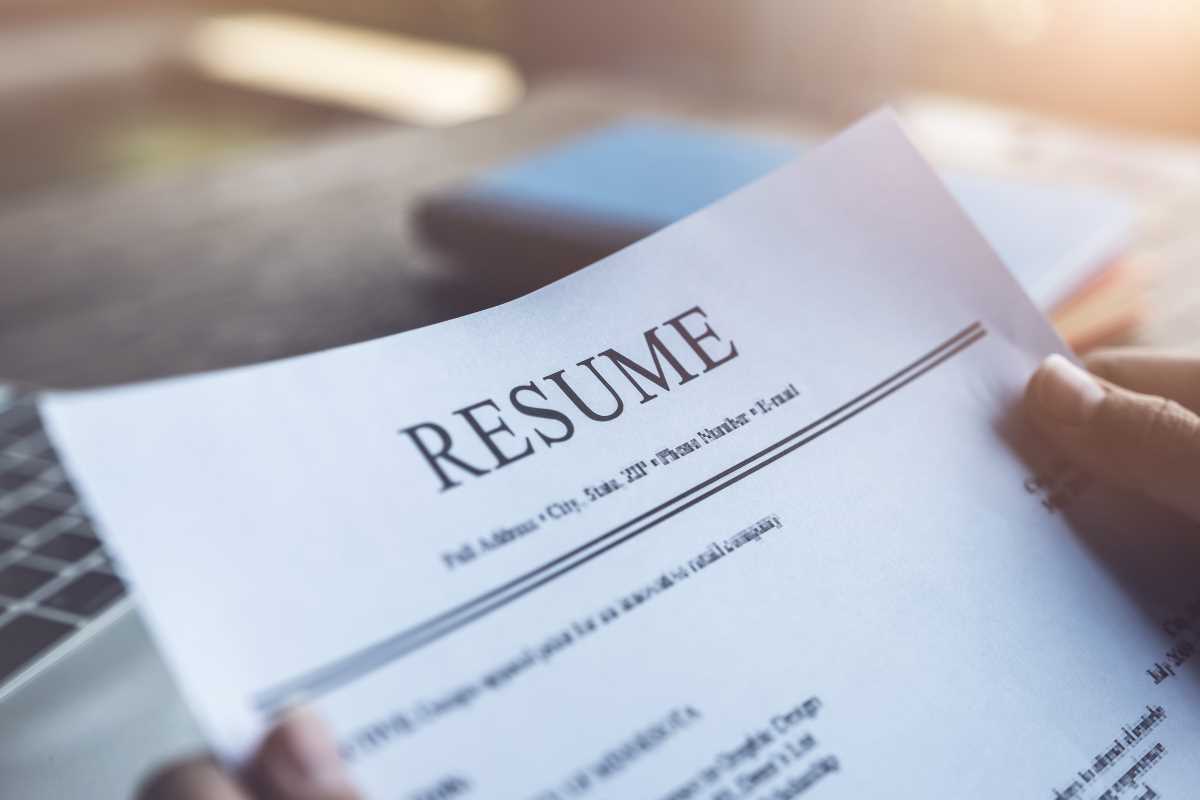
Your resume needs an upgrade for the market. A standard CV lists what you did, but a remote-optimized resume explains how you did it from a distance. Instead of saying you managed a project, try saying you managed a global project across four time zones. This small change signals that you understand the logistical headaches of remote work.
LinkedIn is your digital storefront, and it needs to scream "remote-ready." Use your profile to signal your readiness by highlighting endorsements for remote-specific work. If you have completed projects entirely online, make that the centerpiece of your public show. You want a recruiter to see your profile and immediately think that you would be a low-risk hire for a virtual team.
You should also consider creating targeted case studies. These should solve the specific pain points a remote employer might be worried about. Like, you could write a brief case study on how you maintained team cohesion during a high-pressure launch while everyone was in different countries.
The Interview Proving You Thrive Outside the Office
The interview is where you prove you are a professional. Before you even log on, you need to research the company's specific remote culture. Are they "remote-first" with a heavy focus on writing, or are they "remote-friendly" with lots of video calls? Tailoring your answers to their communication philosophy matters.
Expect behavioral questions that are viewed through a remote lens. A common one is: "How do you handle a disagreement with a coworker when you cannot talk to them in person?" They are looking for your ability to use "digital empathy" and clear communication to resolve conflict without it escalating into a week-long email chain.
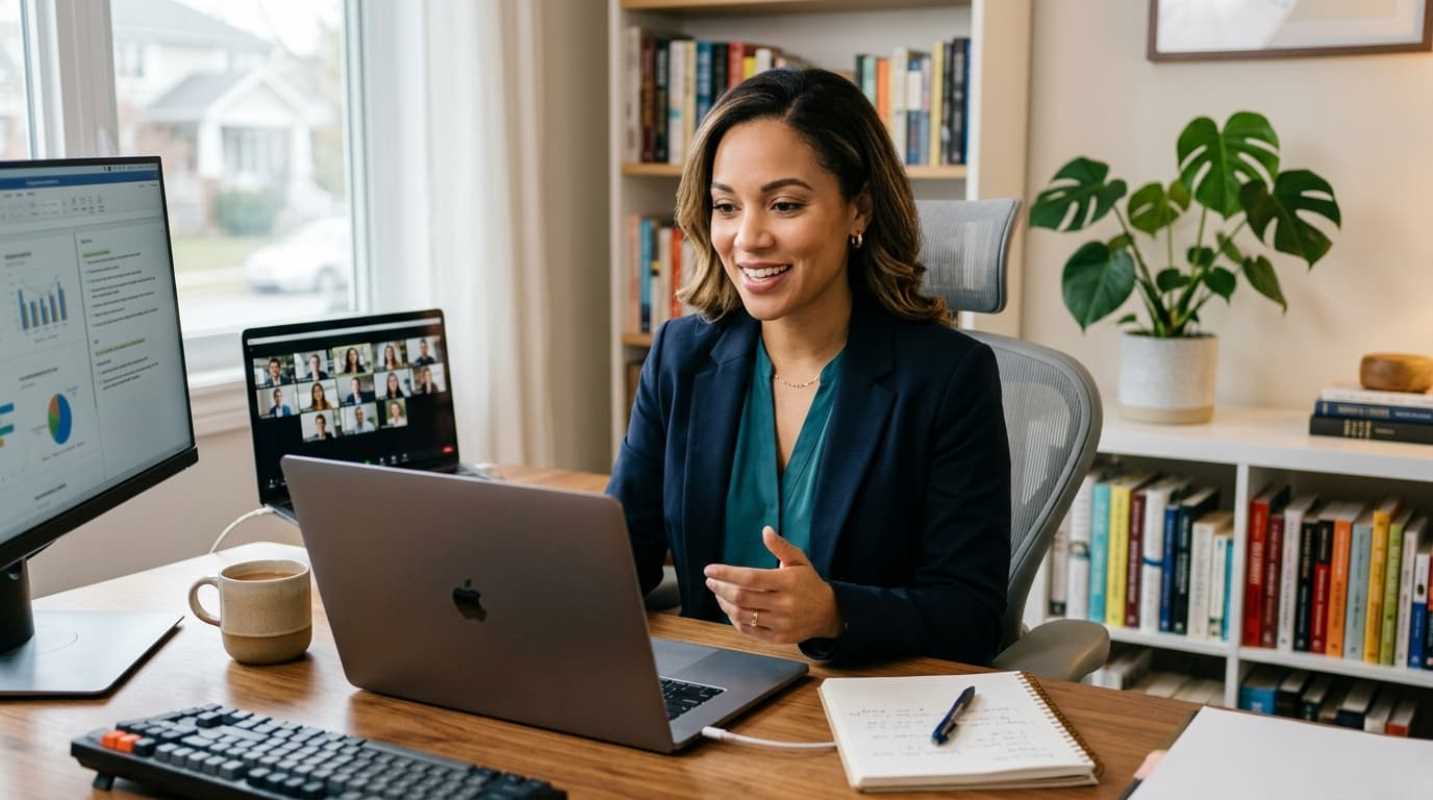
Your physical setup during the interview is part of your pitch. Think of your background and audio quality as your "office attire." If your lighting is poor or your audio is choppy, it sends a signal that you are not prepared for the daily realities of remote meetings. Having a professional, well-lit space shows that you take your remote environment seriously.
Video is also becoming a massive trend for screening. Many hiring managers now prefer a 60-second "Loom" introduction over a traditional cover letter. It is a quick way to show your personality and your ability to speak clearly on camera. Just remember to look at the camera lens, not the screen, to maintain that digital eye contact.
Winning the Long Game in a Virtual World
Standing out is about consistency and narrative. You have to be the person who makes the recruiter feel safe. By focusing on your remote-first skills, sharpening your personal brand, and executing a professional interview, you change the conversation. You are a specialist who understands how modern work actually functions.
Treat your skill acquisition as an ongoing process. The tools will change, and the market will shift, but the need for autonomous, clear-communicating professionals will only grow. Take control of your application narrative and show them exactly why you are the solution to their remote management headaches.
The market is crowded, but most people are still using a 2019 playbook for today's world.
This article on TheDigitalDreamers is for informational and educational purposes only. Readers are encouraged to consult qualified professionals and verify details with official sources before making decisions. This content does not constitute professional advice.