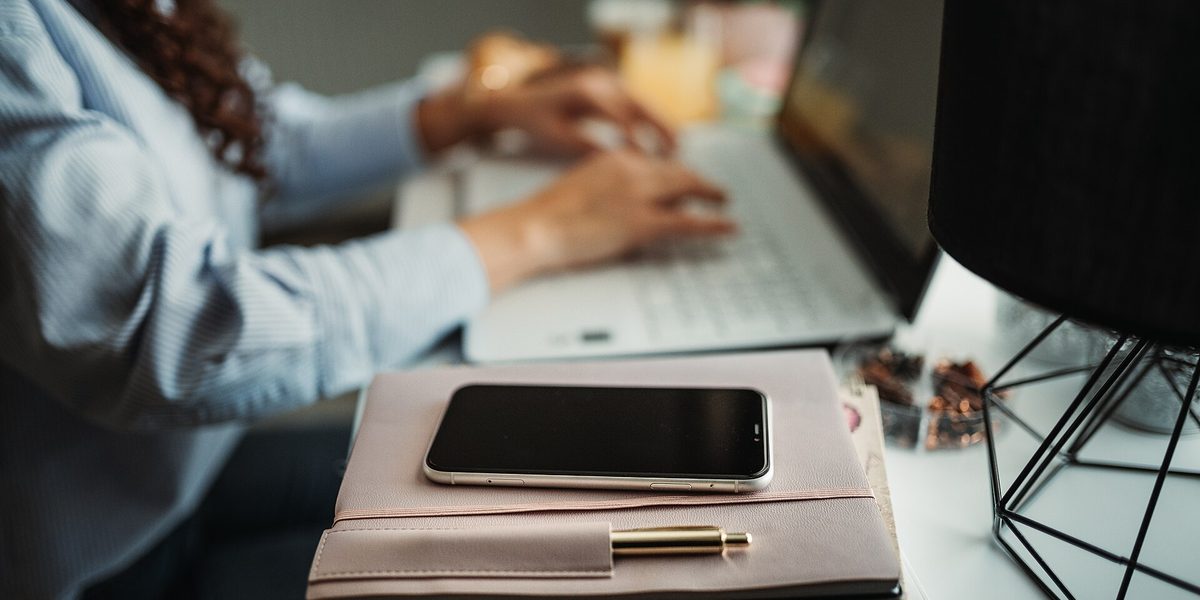
Ask people what they wish they did more of, and reading lands near the top of almost every list, usually followed by a sigh about phones. The irony is that the same devices blamed for killing the reading habit are also the most powerful tools ever built for feeding one. An entire library now fits in a pocket, books can be borrowed at midnight in pajamas, and a story can continue in your ears while you wash dishes. The trick is using digital tools deliberately, so they serve the habit instead of competing with it. Here is how to build a reading life with the technology you already own.
Decide What Reading Counts, and Count All of It
The first obstacle to a reading habit is usually a narrow definition of reading. If only printed novels finished cover-to-cover count, most busy adults are set up to fail. Widen the definition: e-books count, audiobooks count, rereading counts, abandoning a dull book halfway counts as time well spent. Audiobooks in particular deserve rehabilitation; following a complex narrative by ear is real engagement with a real book, and for many people it is the only format that fits their actual day.
Widening the definition is not lowering the bar. It is recognizing that the habit you are building is a life with more stories and ideas in it, not a performance of a particular posture in a particular chair. Once every format counts, the found moments of an ordinary day, commutes, waiting rooms, folding laundry, become reading time you did not know you had.
Put a Library on Every Device
Friction decides habits, so make starting to read the easiest option in reach. Install a reading app on your phone and tablet, and if you own an e-reader, keep it charged and lying where you relax. The goal is that in any idle moment, a book is two taps away, exactly as available as the feeds that usually win those moments.
Then connect the free firehose: your public library. Library apps let you borrow e-books and audiobooks instantly with nothing but a card number, place holds that arrive as friendly surprises weeks later, and return everything automatically so there are never late fees. Borrowing also quietly solves the commitment problem. A borrowed book that bores you goes back with zero guilt, which keeps you sampling widely, and sampling widely is how people who read a lot find the books that keep them reading. Holds deserve a special mention: placing several at once means finished books are always followed by new arrivals, and the slight unpredictability of when they land keeps the queue feeling like a gift rather than a chore.
Use Sync to Turn Scraps of Time Into Chapters
The modern reading superpower is synchronization. Start a chapter on the e-reader at breakfast, continue on your phone in a queue, and switch to the audiobook on the drive home; the story simply continues. Many platforms even keep e-book and audiobook positions aligned, so your eyes and ears can trade off the same title. Once sync is set up, the habit stops requiring dedicated reading sessions and starts flowing into the gaps of the day.
- Pair formats for the same book: audio for motion, text for stillness, one continuous story.
- Always have a next book queued: finishing a book with nothing lined up is where streaks go to die.
- Keep genres for moods: a demanding book for fresh hours, a light one for tired ones, so there is never a moment when nothing fits.
Make Your Phone a Worse Rival and a Better Ally
The honest competition for reading time is not television; it is the ninety-second scroll that turns into forty minutes. You can tilt that contest. Move your reading app onto the home screen where a social app used to sit, and push the noisiest apps into a folder a few swipes away. Some people rename the folder something pointed, like Later. When the reflex to fill a pause fires, the book should be standing where the feed used to be.
Notifications deserve the same treatment during reading windows. A chapter interrupted six times is six first pages. Use your phone's focus or do-not-disturb mode for reading time, letting calls from family through and nothing else. The paradox resolves nicely: the phone becomes the best reading device you own precisely when it stops behaving like a phone.
Track Gently, Not Obsessively
A little tracking feeds motivation; too much turns reading into homework. The gentlest effective tracker is just a list of books finished, kept in a notes app or a reading community, which grows into a satisfying record of where your mind has been. Streaks and daily-minutes goals work for some personalities and backfire for others; if missing a day makes you want to quit entirely, drop the streak and keep the list.
Set goals by time rather than titles. Ten minutes a day is honest and achievable, while a books-per-year number quietly bribes you toward short easy books and away from the long masterpiece you actually crave. If you enjoy social features, reading apps and book communities can supply recommendations and gentle accountability, but treat them as a book club, not a scoreboard. The tracking exists to serve the reading, never the reverse, and the moment logging a book feels like filing paperwork, simplify until it feels like closing a good chapter.
Read Before Sleep Without Wrecking Your Sleep
Night is the natural home of the reading habit, and screens complicate it. Bright, blue-heavy light late in the evening works against winding down, and a phone brings its whole carnival to bed with it. The comfortable middle path: prefer a dedicated e-ink reader at night, which lights gently and does nothing else, or switch a tablet to its warmest, dimmest night mode. Better yet, let audio take the last shift; a sleep timer on an audiobook ends the day like being read to, and the chapter is easy to rewind tomorrow.
Whatever the device, let the bedtime book be the easy kind. Fighting through dense nonfiction at eleven at night convinces nobody to keep the habit. Night reading is allowed to be pure pleasure; that is what anchors it.
Rebuild Your Attention Span on Purpose
Many lapsed readers discover the problem is not time but focus: ten pages in, the hand drifts toward the phone. This is trainable, and digital tools can help rather than hurt. Start with sessions short enough to win, ten focused minutes, and lengthen them weekly. Choose propulsive books for the rebuilding phase, thrillers, romances, memoirs that read like gossip, because momentum, not prestige, is the goal.
When focus slips mid-page, resist the reflex to switch apps; mark the sentence, take one breath, and continue. Attention returns the way fitness does, gradually and then suddenly. Most people find that after a few weeks of daily short sessions, the hour-long immersion they thought they had lost forever simply shows up one evening, unannounced.
Final Thoughts
A reading habit in the digital age is not about choosing paper virtue over screen vice; it is about arranging your devices so the book wins the idle moment more often than the feed does. Count every format, borrow freely from the library in your pocket, sync a story across your day, and guard the habit with gentle tracking and phone settings that respect your attention. Do that, and the sigh about phones turns into something better: a finished-books list that keeps getting longer, one found moment at a time.