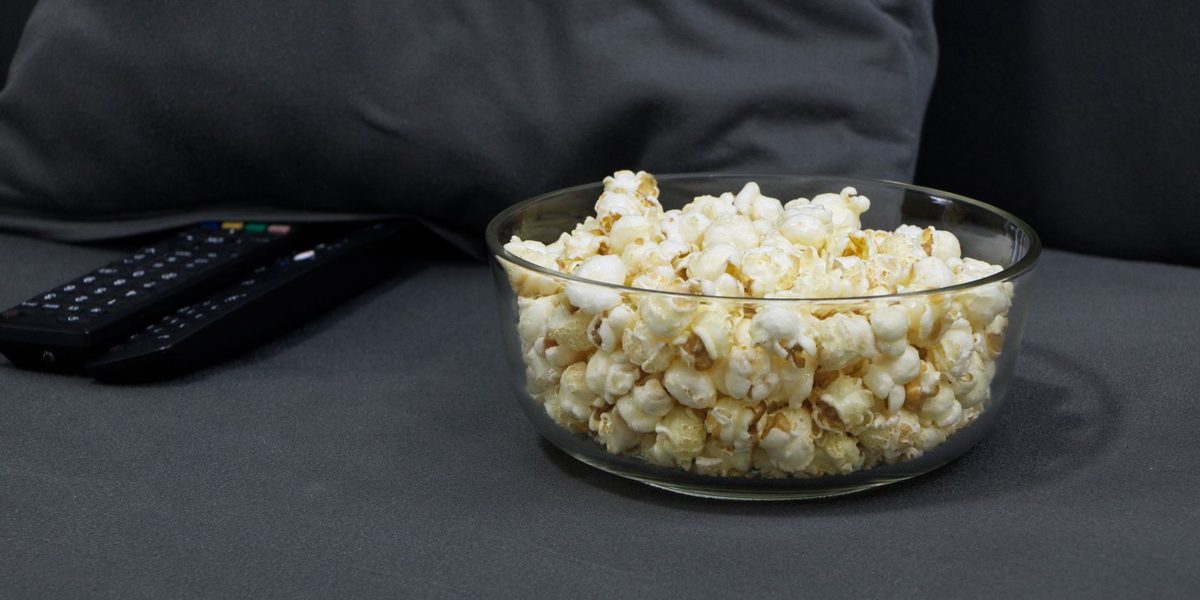
Ask people what they do in their free time and the honest answer, more often than anyone likes, is the phone. Not because screens beat everything else, but because they are always within reach and everything else requires a first step. The case for an off-screen hobby is not anti-technology moralizing; it is that hands-on pursuits deliver things feeds cannot: absorption deep enough to lose track of time, visible progress, physical objects and abilities that accumulate, and often, people. Here is a tour of hobbies that reliably pull people away from screens, and, just as important, what makes them stick when so many good intentions do not.
Why Off-Screen Hobbies Hold Attention Differently
Scrolling occupies attention without absorbing it, which is why an evening of it can leave you both overstimulated and unsatisfied. Hands-on hobbies work the opposite way. They demand just enough skill and focus that your mind cannot wander back to its worries, the state people describe as flow, and they push back against you: dough resists kneading, a plant grows or it does not, the shelf is level or it wobbles. That friction is precisely what makes them satisfying.
Physical hobbies also produce evidence. A feed leaves nothing behind at the end of an hour; a hobby leaves a sketch, a seedling, a repaired hem, a slightly better backhand. That accumulating record is powerful motivation, and it quietly rebuilds the attention span that fragmented media erodes. Knowing this helps you choose well: the best off-screen hobby for you is one with feedback you can see, feel, or taste.
Make Something With Your Hands
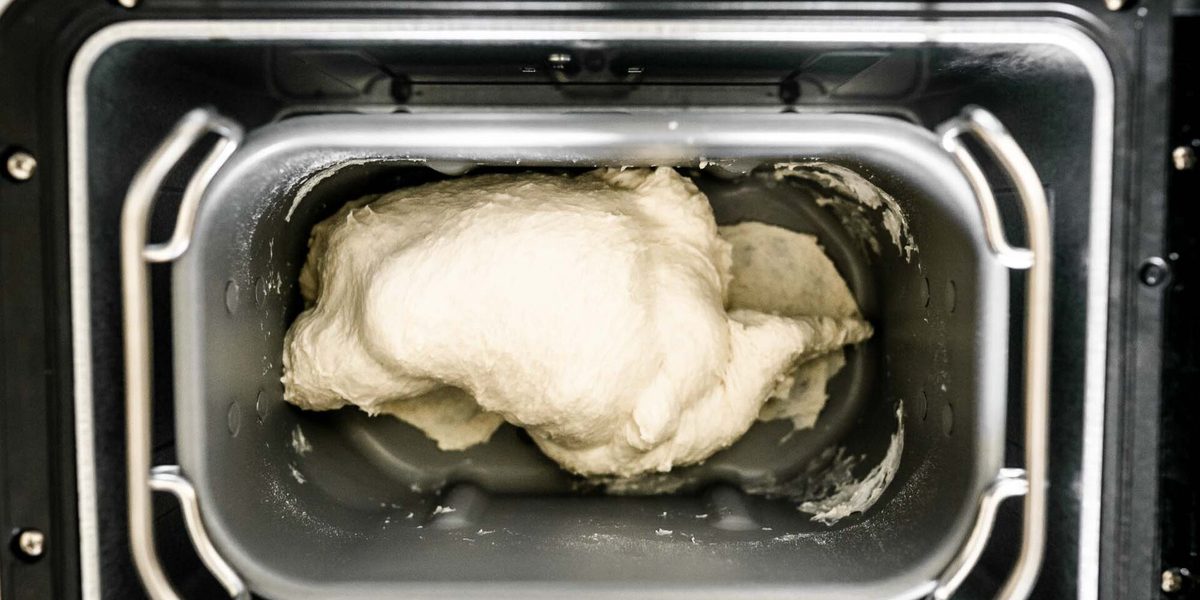
Craft hobbies are the classic screen antidotes because your hands are literally occupied. Baking and cooking as a hobby, rather than a chore, offer fast feedback and edible results; bread in particular rewards patience and punishes distraction in ways that teach both. Gardening, whether a backyard bed or pots on a windowsill, runs on a slower, seasonal clock that is a tonic for feed-trained brains. Woodworking, knitting, crochet, pottery, sewing, and sketching all share the same virtuous loop: simple to start, endless to master, and every session ends with more object than you began with.
Start smaller than your enthusiasm suggests. One herb pot, not a vegetable plot; a scarf, not a sweater; a birdhouse, not a bookcase. Early wins matter more than early ambition, because the first finished thing, however humble, is what convinces you that you are a person who makes things. The gear can stay minimal too; nearly every craft has a starter version using tools you already own or can borrow.
Get Outside and Put Your Body in It
Movement hobbies double their value: they occupy attention while paying dividends in energy, sleep, and mood. Walking upgraded into a project, exploring every street in your neighborhood, or hiking a region's trails one by one, turns exercise into collection and discovery. Cycling, swimming, paddling, and running clubs add rhythm and range. Birdwatching deserves its quiet renaissance: it is walking with a mystery attached, and it retrains you to notice the world at exactly the pace scrolling untrains.
Racket sports and team leagues bring competition and, crucially, other people and standing appointments; it is much harder to skip a hobby when a doubles partner is waiting. Fishing, foraging, and amateur astronomy offer the outdoors at a meditative tempo. For any of these, weather excuses are the main enemy, so the trick is owning the modest gear that makes bad weather tolerable and having an indoor alternate so the habit never fully breaks.
Choose Hobbies That Come With People Attached
Loneliness drives a great deal of scrolling, so hobbies that build in company solve two problems at once. Some of the stickiest pastimes are social by construction: board game nights, a book club, community choirs, amateur theater, volunteer crews, trivia teams, dance classes, and community gardens. Each provides a recurring time, a shared purpose, and light social obligation, the same ingredients that make gym buddies so effective.
- Board and card games deliver face-to-face laughter with almost no setup cost.
- Group classes, from pottery to salsa, bundle learning, structure, and new acquaintances.
- Volunteering, at a shelter, trail crew, or food bank, turns free time into meaning and reliably introduces you to good people.
- Clubs and leagues convert a solo interest, running, chess, photography walks, into a calendar commitment.
If you are unsure where to start, community centers, libraries, and local bulletin boards list more of this than most people ever check. One introductory session costs an evening; the phone will still be there when you get home, and you will care about it a little less.
Rediscover the Analog Versions of Digital Pleasures
Many screen habits are digitized versions of older pleasures, and the analog originals often satisfy more. If you love scrolling recipes, cook one. If you follow puzzle apps, try a jigsaw on the table, crosswords on paper, or a chess board at a park or club. If you binge documentaries about nature, walk in some. Readers glued to e-readers and article feeds often find that paper books, and a library card, restore a depth of reading the scroll had thinned.
Music is a standout example: listening is a screen habit; playing is a hobby. A secondhand guitar or a keyboard, plus patient beginner practice, delivers the same songs with your hands in them. Journaling and letter writing do for expression what posting pretends to. The pattern is consistent, take the thing you already consume and move one step upstream, from watching it to doing it, and the appetite you already have carries you through the awkward beginner phase.
How to Actually Make It Stick
The graveyard of abandoned hobbies is really a graveyard of missing structure, so borrow the tactics that work for any habit. Schedule the hobby like an appointment, same evenings each week, and prepare the environment: leave the guitar on a stand, the puzzle on the table, the shoes by the door, while charging the phone in another room during hobby hours. Friction decides these contests, so lower it for the hobby and raise it for the screen.
Expect the dip. Every hobby has a stage where you are bad at it and progress feels slow; that is where screens win by default, because they never ask you to be bad at anything. Push through with tiny sessions, twenty minutes counts, and a visible tracker or a simple log of what you made or did. Add a social anchor, a class, a club, a friend learning alongside you, and give yourself a small project deadline: a loaf for a dinner party, a scarf by winter, a 5k on the calendar. Identity follows evidence; keep producing evidence.
Final Thoughts
Nobody lies on the couch at night wishing they had scrolled more, but people do wish they had learned the instrument, grown the tomatoes, joined the league, built the shelf. Off-screen hobbies are not a rejection of digital life; they are ballast for it, supplying the absorption, progress, and company that feeds imitate but cannot deliver. Pick one thing that produces something you can hold, taste, or point to, start embarrassingly small, put it on the calendar, and let the phone spend a few evenings a week alone. It will cope. You, meanwhile, will have bread cooling on the counter, dirt under your fingernails, or a first clumsy song in your hands, and every one of those beats another hour of the feed. The hardest part is only ever the first twenty minutes; schedule them this week and let momentum handle the rest.