The modern workday is engineered against sustained attention. Chat apps ping, phones buzz, email badges climb, and every one of those interruptions arrives dressed as something urgent. In this environment, multitasking feels less like a choice and more like the water we swim in. The problem is that multitasking, for anything requiring thought, is mostly an illusion. What the brain actually does is switch rapidly between tasks, paying a toll at every switch. Single-tasking, the deliberately unfashionable practice of doing one thing at a time, is the countermeasure. It is not a personality trait reserved for naturally calm people. It is a set of habits and environmental choices that anyone can build, and this article lays them out in practical order.
The Real Cost of Switching
When you jump from a report to a chat message and back, the report does not resume where you left it. Part of your mind stays tangled in the message, a phenomenon often called attention residue, and it takes real time to fully re-enter the original task. Multiply that re-entry cost by the dozens of switches in a typical hour and the arithmetic turns grim: a day can be full of motion while containing remarkably little completed thought.
The damage is not limited to lost minutes. Work done in fragments tends to be shallower, with more errors and less original thinking, because the mind never stays submerged long enough to reach the interesting depths. And the habit is self-reinforcing: the more you switch, the more your brain expects novelty, and the harder it becomes to sit with one difficult thing. Recognizing switching as an expensive act, rather than a neutral one, is the foundation everything else builds on.
Make Notifications Opt-In, Not Opt-Out
The default settings of nearly every app assume you want to know everything immediately. Reversing that assumption is the highest-leverage move available. Instead of asking which notifications to turn off, turn everything off and ask which few genuinely deserve to interrupt you. For most people the honest answer is calls from family, messages from one or two key people, and calendar alerts. Almost everything else can wait an hour without consequence.
Batch the rest. Check email at a few set times rather than continuously, and treat chat the same way outside of true collaboration windows. Tell colleagues how to reach you for genuine emergencies so you can silence the rest with a clear conscience. The first few days feel risky, like you might miss something vital. What you actually discover is how little was vital, and how much of your former vigilance was serving the apps rather than the work. Revisit the surviving notifications monthly, because apps quietly re-enable themselves after updates and every new install arrives chatty by default.
Design a One-Thing Workspace
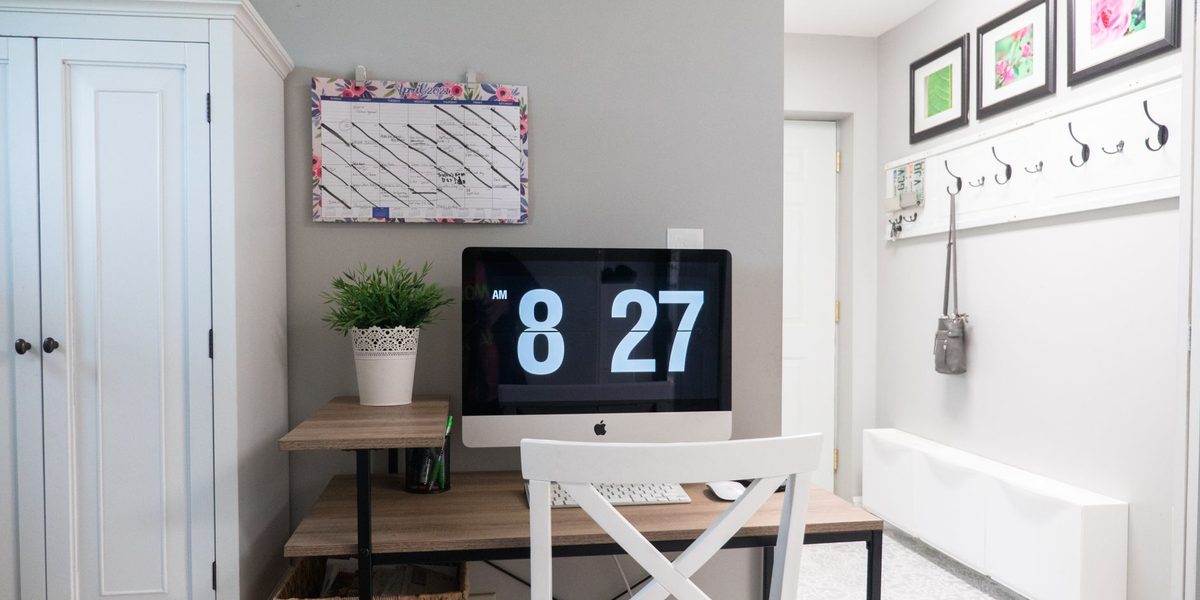
Willpower is a poor match for a screen full of temptations, so change the screen instead. When you begin a focused task, close every tab and window that does not serve it. Keep the phone in another room or at minimum face down and silenced, since even a visible phone quietly siphons attention. A full-screen document with nothing blinking behind it is a different cognitive environment than the same document boxed in by badges.
- Close or minimize email and chat entirely during focus periods, not just their notifications.
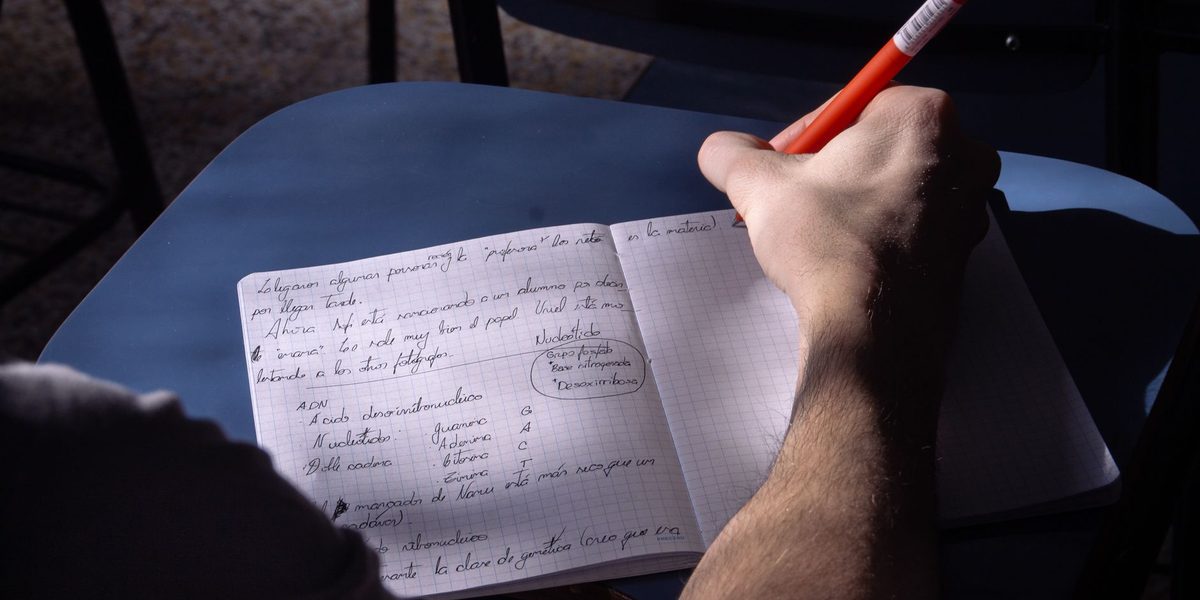
- Keep a notepad beside you to capture stray thoughts and remembered errands, so they exit your head without opening a browser.
- Use one screen for deep work even if you own two; extra monitors invite extra contexts.
- If ambient noise is a problem, headphones with something steady and wordless can wall off the room.
None of this requires discipline in the moment. It front-loads the discipline into a thirty-second setup ritual, which is exactly where discipline is cheapest.
Work in Honest Intervals
Single-tasking does not mean marathon focus. Attention is a muscle, and most people arriving from years of heavy switching can sustain genuine focus for shorter stretches than they would like to admit. Start with intervals you can actually complete, perhaps twenty or twenty-five minutes on one task followed by a short, real break away from screens. Completing intervals matters more than their length, because each completed one rebuilds trust in your own attention.
During the interval, the rule is simple: one task, and anything else that arises gets written on the notepad rather than acted upon. During the break, resist the urge to check feeds, which simply hands your attention back to the machine you just escaped. Stand, stretch, look out a window, refill the water. Over weeks, you can lengthen intervals as they begin to feel roomy. Many people are surprised to find that forty-five minutes of true single-tasking accomplishes what a whole scattered afternoon used to. Some people log each completed interval with a tally mark on the notepad, and the growing row of marks becomes its own quiet motivation, visible proof that the day contained real attention.
Handle Interruptions Without Losing the Thread
Some interruptions are legitimate and unavoidable: a colleague with a blocking question, a child, a delivery. The skill is not preventing all interruptions but re-entering work cleanly afterward. Before you turn away from the task, take five seconds to write a breadcrumb, one line stating exactly what you were about to do next. When you return, the breadcrumb collapses the expensive reorientation period into a single glance.
It also helps to negotiate timing when you can. A response like giving me twenty minutes and then coming to find you converts an immediate interruption into a scheduled one, and most requesters are perfectly satisfied by it. People discover quickly that a large share of interruptions are elastic; they arrive demanding now but accept soon without complaint. Every interruption you shift out of a focus block is a switch cost you never pay.
Retrain the Restless Mind
Even with the environment tamed, you will meet the internal version of the problem: the itch to check something, anything, the moment a task gets hard. This itch is not a moral failure; it is a trained reflex, and it can be retrained. The technique is unglamorous: when the urge arises, notice it, name it, and stay seated for just one more minute before deciding anything. The urge usually passes, because urges are waves rather than commands.
Meanwhile, feed your attention span outside work hours. Reading long articles or books, hobbies that demand sustained hands-on focus, and stretches of the day without a phone in reach all function as training for the same muscle. A mind that spends its evenings in thirty-second scrolls will struggle to spend its mornings in thirty-minute thoughts. You do not need to renounce entertainment; you need some daily experience of unbroken attention, so that focus remains a familiar country rather than a foreign one. Treat these off-hours sessions as practice rather than penance, and choose material you genuinely enjoy, because attention grows fastest on subjects that pull you in on their own.
Final Thoughts
Single-tasking in a notification-filled world is less about heroic concentration and more about refusing, systematically, to let machines schedule your mind. Turn notifications into an opt-in privilege, build a one-thing screen, work in intervals you can finish, leave breadcrumbs when life intrudes, and give your attention some off-hours training. Progress compounds quietly: tasks finish sooner, errors thin out, and work starts to feel like work again instead of triage. In an economy where distraction is the default, the ability to do one thing at a time is quietly becoming a superpower, and it is available to anyone willing to change a few settings and keep a notepad.