Smart home marketing promises a house that anticipates your every wish. The reality is more modest and, honestly, more useful: a handful of well-chosen devices can trim small daily frictions, save a little energy, and add real convenience, while a poorly planned setup adds apps, batteries, and frustration. This guide skips the futurism and focuses on what actually earns its place in an ordinary home, how to start small, and how to avoid the traps that turn a helpful gadget into a headache.
What a Smart Home Actually Does Well
Strip away the hype and smart devices do three things reliably. They put controls where you are, so you can turn off a forgotten lamp from bed or check whether the garage is closed from the grocery store. They run simple schedules, warming the house before you wake or shutting lights off at midnight without your involvement. And they alert you to things worth knowing, like a leak under the sink or a door opening while you are away.
Notice what is not on that list: nothing life-changing, nothing dramatic. The genuine value of a smart home is the steady removal of tiny chores and small worries. If a device does not obviously fit one of those three jobs, controlling, scheduling, or alerting, be skeptical about whether it belongs in your house at all, no matter how clever the demo looks.
Start With One Problem, Not One Platform
The biggest beginner mistake is buying an ecosystem before identifying a need. Flip the order. Pick one recurring annoyance: the porch light nobody remembers, the thermostat wars, the lamp behind the couch with the unreachable switch. Then buy the single, inexpensive device that fixes it, most often a smart plug or a smart bulb, and live with it for a month.
This trial run teaches you things no review can: whether you actually reach for the app, whether your household finds it helpful or irritating, and whether your home's wireless coverage holds up. If the experiment sticks, expand deliberately. If it gathers dust, you have learned something valuable for the price of a plug rather than the price of outfitting a whole house with gear you will not use.
The Starter Devices That Earn Their Keep
Some categories deliver value out of all proportion to their cost, and they are the sensible foundation for almost any setup.
- Smart plugs turn any dumb lamp, fan, or holiday display into a scheduled, remote-controlled one, and they are the cheapest way to test the waters.
- Smart bulbs or switches handle lighting scenes and schedules; switches suit fixtures the whole family uses, while bulbs suit single lamps.
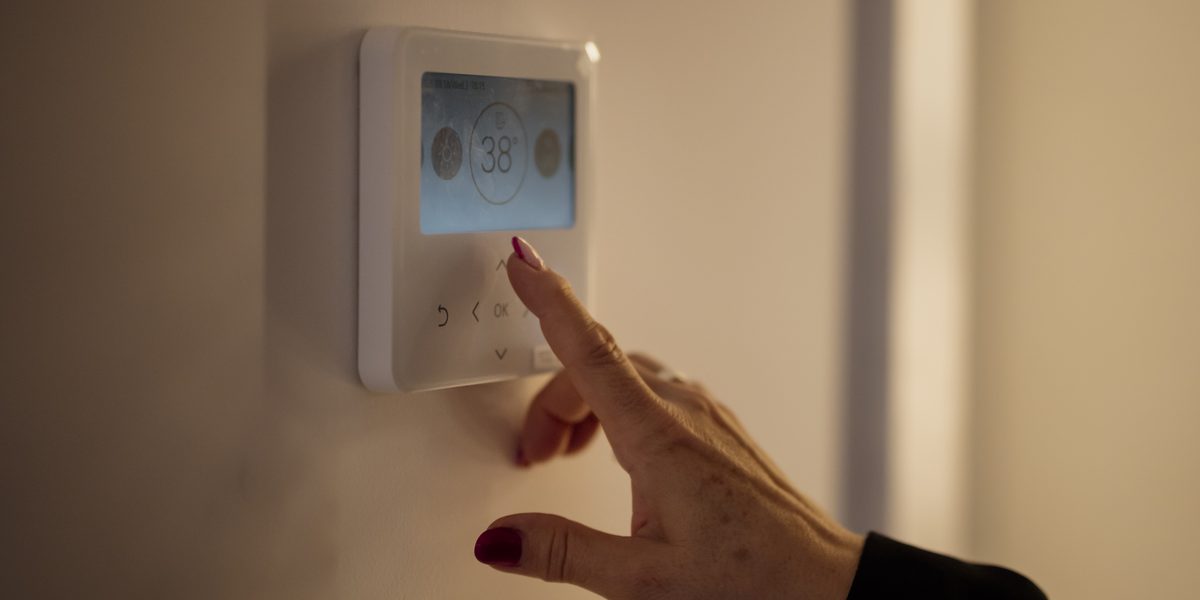
- A smart thermostat is often the only device that pays for itself, trimming heating and cooling when nobody is home.
- Leak and smoke sensors are quiet insurance, sending an alert the moment something goes wrong in a laundry room or basement.
- A video doorbell or entry sensor answers the everyday question of who is at the door and whether it is locked or open.
Everything else, from smart ovens to app-connected toothbrushes, sits firmly in the optional pile. Plenty of it is fun; very little of it is foundational.
Voice Assistants: Helpful Servant, Poor Master
A voice assistant is the glue many people use to tie devices together, and for hands-busy moments, cooking, carrying laundry, lights out from bed, spoken commands are genuinely convenient. Timers, reminders, music, and quick questions are the daily bread of these speakers, and they do that work well.
Treat the microphone thoughtfully, though. Review the privacy settings, delete stored recordings on a schedule if the option exists, and use the mute switch in rooms where conversations are sensitive. And do not feel obligated to own one at all: every mainstream smart device can be controlled perfectly well from a phone app or a wall switch. Voice is a convenience layer, not a requirement, and a smart home built entirely on button presses and schedules is just as smart.
Keep It Secure Without Becoming an Engineer
Every connected device is a small computer on your network, so basic hygiene matters more than any advanced trick. Fortunately the essentials take one afternoon. Change any default password the moment a device is set up, and give your account a strong, unique passphrase with two-factor authentication turned on. Keep device firmware and apps updated, since updates are how vendors patch security holes.
Your router deserves the same attention: update its software, use modern wireless encryption, and consider putting smart devices on the guest network so they are walled off from the computers that hold your files. Finally, buy from established brands with a track record of updates rather than the cheapest no-name option, because an abandoned device never gets patched. None of this requires expertise, just a checklist and the discipline to finish it.
Avoid the App Sprawl Trap
The fastest way to hate a smart home is to need six apps to turn off four lights. Before buying anything new, check that it works with the system you already use, whether that is a phone platform's built-in home app or a hub you have chosen. Interoperability standards have improved, and many recent devices work across ecosystems, but the box or product page will tell you, and it is worth thirty seconds to look.
Consolidation pays off daily. When every device answers to one app and one set of automations, the household can actually use the system; guests and family members are not locked out by your personal patchwork. As a rule of thumb, if adding a device would force a new app into permanent rotation, look for an alternative that fits what you already run.
What You Can Comfortably Skip
Plenty of smart products solve problems nobody has. Appliances with screens and accounts, refrigerators that browse the internet, app-enabled kettles that still require you to fill them by hand, mostly add cost, complexity, and another thing to update. Devices that insert a subscription between you and a basic function deserve extra scrutiny; a light switch should not have a monthly fee.
Be cautious, too, about smartening things that already work perfectly. A well-placed motion-sensor bulb from the hardware store often beats an elaborate automation, and a mechanical timer still handles a lamp just fine. The goal is a home that works better, not a home that demonstrates technology. Confident skipping is a smart home skill in its own right, and it keeps both your budget and your patience intact.
Plan for the Whole Household
A smart home only works if everyone who lives there can use it, including guests, kids, and the least technical person in the house. Keep the ordinary controls working: a smart bulb behind a wall switch that someone flips off is just a dead bulb, so favor smart switches in shared rooms and make sure every automated light still has an obvious manual override. Share access through the app's family or member features rather than one person's account, so the system does not go dark when that person travels.
Explain each new device in one sentence when it arrives, and retire anything that keeps confusing people. The measure of success is simple: if a houseguest can turn on the kitchen light without a tutorial, you built it right.
Final Thoughts
A good smart home is boring in the best way: lights that are simply never on when they should be off, a house that is warm when you wake, a quiet alert when something leaks. Start with one real problem, favor a few dependable device types, keep everything updated and behind strong passwords, and resist the pull of gadgets that exist mainly to be demonstrated. Built that way, piece by unglamorous piece, the technology fades into the background, which is exactly where a home's machinery belongs.