When a team spreads across continents, the shared workday shrinks to a sliver. Two colleagues nine time zones apart might overlap for an hour a day, or not at all, and everything about how a co-located team operates quietly stops working. Yet globally distributed teams can run remarkably well, and the difference between the ones that thrive and the ones that fray almost always comes down to how deliberately they manage their overlap. Overlap hours are the scarcest resource a global team has, and the strategies below treat them that way.
Find and Name Your Golden Hours
The first step is embarrassingly simple and widely skipped: figure out exactly when your team overlaps and give that window a name. Map everyone's working hours honestly, including the lunch breaks and school pickups that fragment them, and identify the block when most people are genuinely available. On many global teams this is a one-to-two-hour window; on some it is thirty minutes; on a few it is nothing at all without someone stretching.
Naming the window matters because it converts an accident of geography into a shared asset. Once the team talks about its golden hours, it can make rules about them: what belongs inside the window, what must stay out, and who is being asked to stretch to reach it. Ambiguity here is what produces the classic global-team failure, where meetings scatter across the day and everyone feels permanently on call.
Reserve Overlap for What Only Overlap Can Do
Once you know your window, guard its contents ferociously. Overlap time should be spent on things that genuinely require simultaneous presence: decisions with real back-and-forth, sensitive conversations, creative sessions, and the social connection that keeps a distributed team human. Everything else, including status reporting, announcements, routine reviews, and most approvals, should be pushed into asynchronous channels where time zones stop mattering.
A useful test for any recurring meeting is to ask whether it would still work as a document with comments. If yes, it is stealing golden hours from something that cannot be a document. Teams that run this audit usually discover that half their overlap window is consumed by content nobody needed to be awake together for.
Build Clean Handoffs Instead of Long Days
The great promise of a global team is that work can follow the sun, with one region picking up where another left off. In practice this only happens when handoffs are engineered. A clean handoff answers four questions in writing before the sender logs off: what state the work is in, what was decided and why, what should happen next, and where everything lives.
- End each day by updating the task tracker so status is readable without asking anyone.
- Write a short handoff note for anything mid-flight, even two sentences, in a predictable place.
- Flag open questions explicitly, with enough context that the receiver can decide without waiting a full cycle for clarification.
- Resist the temptation to hold work until you are back online; an imperfect handoff beats a stalled queue.
The payoff is enormous. A question that costs five minutes to answer inside one time zone costs a full day when it has to cross the planet and wait for the sender to wake up. Every detail you anticipate in a handoff note deletes one of those day-long round trips.
Rotate the Pain
Someone always pays for overlap. If your window sits at eight in the morning for one region, it sits at nine at night for another, and how a team distributes that discomfort says everything about its culture. The worst pattern is also the most common: the meeting time that suits headquarters becomes permanent, and the distant region eats late nights forever, usually in silence, until their best people quietly leave.
Healthy teams rotate. Alternate meeting times between windows so each region takes turns stretching, and record every session for whoever was asleep. Just as important, notice invisible stretching: the colleague who never complains about the ten o'clock call is not necessarily fine, and a lead who occasionally takes the inconvenient slot personally sends a louder message about fairness than any policy document.
Make Time Zones Visible Everywhere
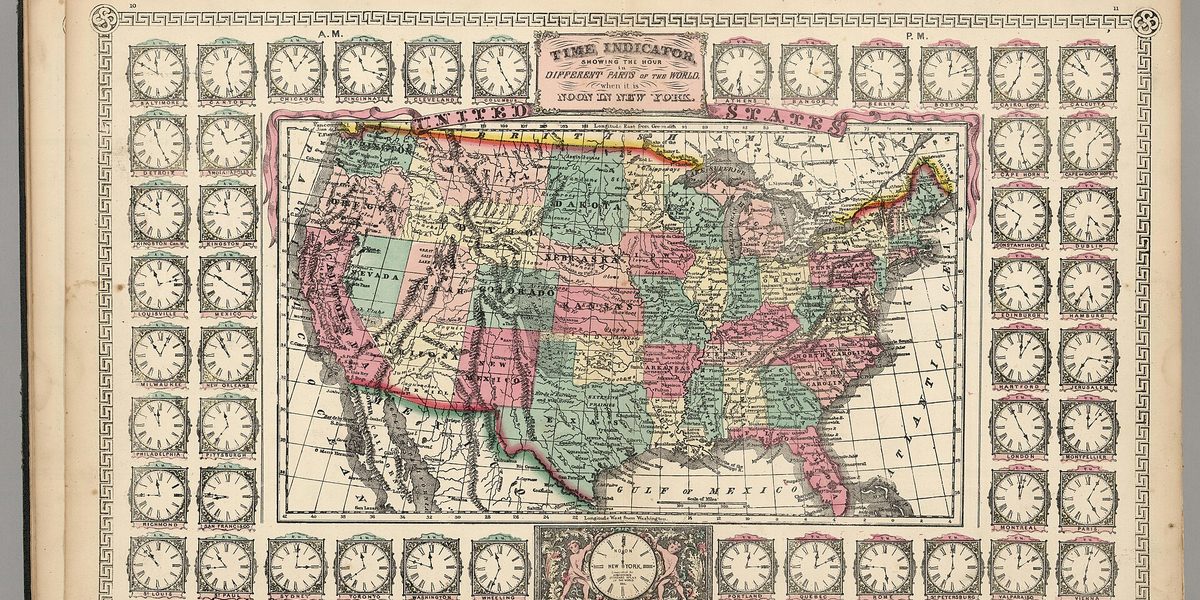
A surprising amount of global-team friction comes from simple arithmetic errors and invisible context. Reduce them mechanically. Display teammates' local times in profiles and directories. Propose meeting times in the other person's zone, or in both, every single time. Use scheduling views that show all participants' hours before you pick a slot. Publish each person's working hours and, crucially, their do-not-disturb hours in a place everyone can see.
Language matters too. Saying that something is due end of day is meaningless across zones; name the zone or use a shared reference point. These sound like small courtesies, and they are, but stacked across dozens of daily interactions they are the difference between a team that trusts its schedule and one that constantly double-checks it.
Design Decisions to Survive the Gap
The deepest adaptation is changing how decisions get made so that a twenty-four-hour cycle does not stall them. Adopt written proposals with explicit comment deadlines, so input can arrive from any zone within a defined window. Use a default-to-action pattern: the proposal states what will happen and when, unless objections land by a stated time. Empower regional leads to make defined categories of decisions locally rather than routing everything through a central zone.
Teams that skip this adaptation end up with a shadow hierarchy where the region containing senior leadership makes all real decisions during its own daytime, and everyone else discovers outcomes at breakfast. Writing decisions down with open comment windows is not bureaucracy; it is how a global team gives every zone an actual seat at the table.
Protect People From Permanent Jet Lag
Finally, watch the human cost. Individuals on the edge of the team map often drift into split shifts, working mornings for local collaboration and nights for overlap, and the arrangement quietly consumes them. Leads should treat chronic off-hours attendance as a scheduling failure, not dedication. Encourage people to decline meetings outside their published hours, model that declining is safe, and periodically re-examine whether the team's window itself should move as membership changes.
Some teams also designate overlap-free days, where no synchronous events are allowed anywhere, giving every zone at least one predictable day of uninterrupted focus. It is a simple policy that returns hours of deep work each week and costs almost nothing.
It also pays to onboard new hires into the time-zone culture explicitly. Tell them the golden hours, the handoff rituals, the response-time agreements, and the norms around declining off-hours invites, rather than letting them absorb bad habits from whoever they meet first. A one-page summary of how the team works across zones saves every newcomer a month of awkward guessing, and writing it forces the team to notice where its own practices have quietly drifted from its stated values.
Final Thoughts
Time zones are not an obstacle to remove; they are a constraint to design around, and occasionally an advantage to exploit. Name your golden hours and spend them only on what requires them, engineer handoffs so work never waits for a sunrise, rotate inconvenience instead of assigning it, make local times visible in every interaction, and move decisions into writing with clear deadlines. Do these things consistently and the map stops feeling like a problem. The sun sets on one part of your team, the work keeps moving, and everyone gets to sleep in their own night.