 (Image via
Working from home offers incredible flexibility, but it also presents unique challenges. The distractions of your home environment, the lack of a clear separation between work and personal life, and the potential for digital burnout can all sabotage your productivity. Mastering remote work requires a laptop and an internet connection, but that's not all. It demands a deliberate approach to how you structure your day, manage your attention, and communicate with your team. If you're wondering how to maximize focus, this guide might help you find some practical techniques you need to meet and possibly exceed your professional goals, all from the comfort of your own space.
Design a Dedicated Workspace
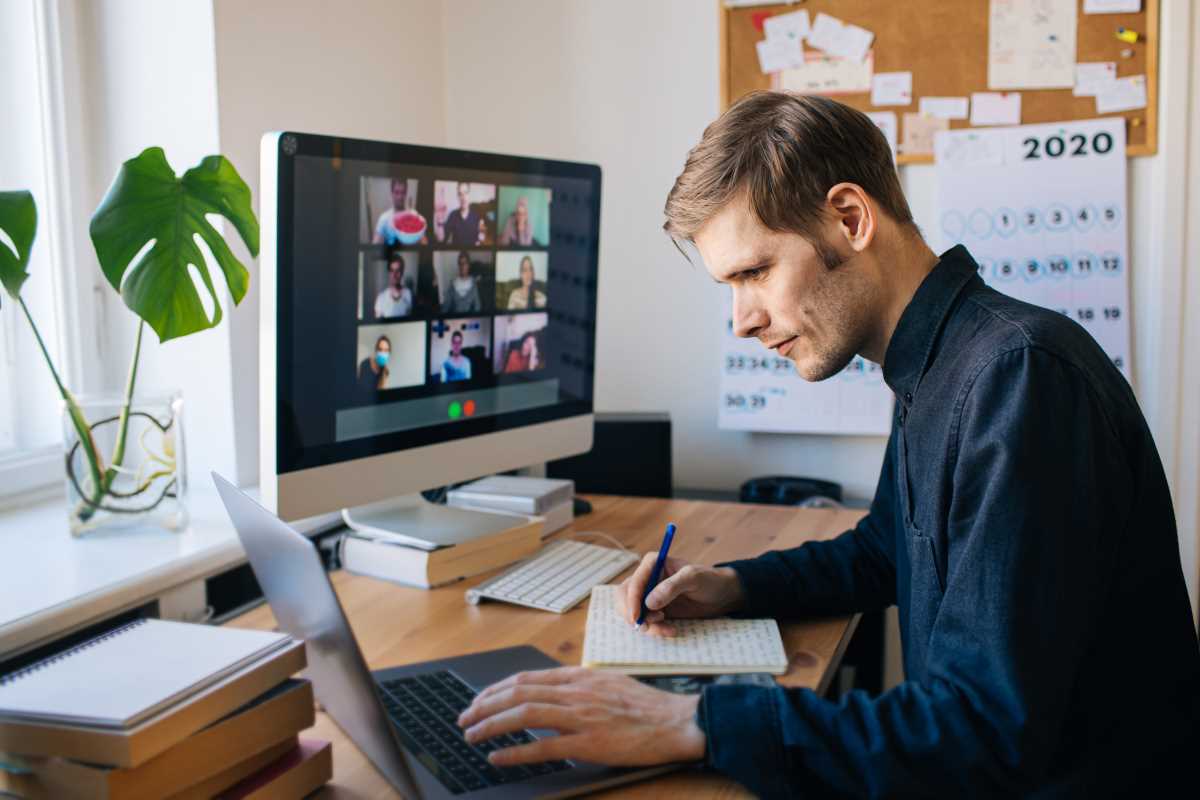
Your brain forms powerful associations with your physical environment. A designated workspace sends a clear signal that it's time to focus. It doesn't have to be a separate room. A specific corner of your living room or a dedicated desk will suffice. The key is to use this space exclusively for work. This mental separation helps you switch into "work mode" more easily and, just as importantly, switch off at the end of the day.
Your physical setup matters greatly for both your comfort and your productivity. An ergonomic chair that supports your back and a desk at the proper height can prevent the aches and pains that distract you from your tasks. Consider a second monitor to expand your digital workspace, which can significantly reduce the time spent toggling between windows. Good lighting, preferably natural light, can also boost your mood and reduce eye strain, helping you stay energized throughout the day.
Create a Structured Daily Routine
The absence of a traditional commute and office structure can make your days feel shapeless. A structured routine provides the framework you need to stay on track. Start by establishing consistent work hours. Waking up at the same time each weekday, getting ready, and starting work by a set time mimics the rhythm of an office day and primes your mind for productivity.
Block out your entire day, not just your work tasks. Schedule your lunch break, short 15-minute breaks for stretching or stepping away from the screen, and a firm end time. This practice, known as timeboxing, helps prevent work from bleeding into your personal time. A planned end-of-day ritual, like tidying your desk or making a to-do list for the next day, can create a definite closure to your workday.
Master the Art of Deep Work
Remote work is often filled with digital distractions like notifications, emails, and the temptation of social media. Deep work is the practice of focusing without distraction on a cognitively demanding task. To achieve this state, you need to be intentional about creating blocks of uninterrupted time. Turn off notifications on your phone and computer. Close unnecessary browser tabs and applications.
The Pomodoro Technique is an excellent method for training your focus. You work in focused 25-minute intervals, separated by short 5-minute breaks. After four intervals, you take a longer break of 15-30 minutes. This technique helps maintain high levels of concentration while preventing burnout. Using a simple timer or a dedicated app can keep you honest and build this powerful habit over time.
Use Technology Wisely
Technology can be your greatest asset or your biggest distraction. The key is to use tools that enhance your focus rather than fragment it. Project management tools like Trello or Asana help you visualize your workflow and track progress on tasks, providing a clear overview of your responsibilities. These platforms keep all task-related communication and files in one place, reducing the need to hunt through email chains.
For managing digital distractions, consider using a website blocker like Freedom. This application allows you to block distracting websites and apps across all your devices for a set period, creating an environment where deep work is possible. For notetaking and organizing ideas, apps like Notion or Evernote provide a centralized digital hub for all your thoughts, research, and meeting notes, keeping your digital workspace clutter-free.
Set Clear Boundaries with Others
Your family, roommates, or pets don't always understand that just because you are physically present, you aren't available. You must set and communicate clear boundaries. Explain your work hours to the people you live with and ask them to respect that time as if you were at an external office. A closed door can be a powerful signal that you are not to be disturbed.
These boundaries also extend to your colleagues. It’s important to communicate your availability clearly. Use your status on communication platforms like Slack or Microsoft Teams to indicate when you are in a deep work session, on a break, or have signed off for the day. This manages expectations and prevents the pressure to be constantly available, which is a major contributor to remote work burnout.
Prioritize Proactive Communication
In a remote setting, you can't rely on casual hallway conversations or popping by someone's desk. Communication must be deliberate and clear. Over-communicating is often better than under-communicating. Provide regular updates on your progress, proactively flag potential roadblocks, and don't hesitate to ask for clarification.
Choose the right communication tool for the message. A quick question might be suitable for an instant message. A more complex discussion that requires back-and-forth might be better handled with a short video call. Use asynchronous communication, like detailed emails or comments in a project management tool, for updates that don't require an immediate response. This respects your colleagues' focus time and allows them to respond when they are available.
Plan for Social Interaction
One of the biggest downsides of remote work can be the feeling of isolation. Humans are social creatures, and the informal social interactions of an office environment contribute to team cohesion and personal well-being. You need to be intentional about creating opportunities for social connection with your colleagues.
Suggest a virtual coffee break where you and a colleague can chat about non-work topics for 15 minutes. Participate actively in team channels dedicated to social chatter. Some teams schedule virtual happy hours or online games to build rapport. Making an effort to connect with your teammates on a personal level can make your work life more enjoyable and foster a stronger, more collaborative team dynamic. Building these relationships makes it easier to ask for help and work together effectively on projects.