 (Image via
Making the leap from a traditional office job to a fully remote career is a fundamental shift in how you work and live. You trade a commute for a login, and hallway chats for Slack messages. This transition offers incredible freedom and flexibility, but it also requires a new set of skills and a different mindset. Success isn't guaranteed by simply having a laptop and an internet connection. You need a deliberate plan to navigate this change effectively. If you need a little help with transitioning from being in the office to working at home, here is a step-by-step method that's easy to stick to.
Assess Your Remote Readiness
Before you start applying for jobs, you need to conduct an honest self-assessment. Not every personality or work style is immediately suited for remote work, but you can develop the necessary traits. Remote companies prioritize candidates who demonstrate high levels of self-discipline, autonomy, and communication skills.
Start by evaluating your ability to work independently. Have you handled projects with minimal supervision? Can you manage your own schedule and deadlines without a boss looking over your shoulder? Be honest about your need for external motivation.
Next, consider your communication style. Remote work is heavily reliant on written communication. Your ability to convey tone, ask clear questions, and provide concise updates through email and chat is critical. You must be comfortable with asynchronous communication, where immediate responses are not always expected.
Finally, think about your home environment. Do you have a dedicated, quiet space where you can focus? A chaotic home office can be just as distracting as a noisy open-plan office. Acknowledging these areas will help you understand what skills to develop and what practical changes to make.
Reframe Your Experience for a Remote Context
Your existing skills are valuable, but you need to present them through a remote-friendly lens. Hiring managers for distributed teams are looking for specific evidence that you can succeed outside of a traditional office structure. You need to translate your in-office accomplishments into a language they understand.
Go through your resume and portfolio. Look for experiences that demonstrate autonomy and digital collaboration. Instead of saying you "led weekly team meetings," you could say you "coordinated project updates for a team across multiple departments using video conferencing and shared documents."
Highlight any experience you have with remote work tools, even if you used them in an office. Mentioning proficiency in platforms like Slack, Asana, Trello, Zoom, or Google Suite shows that you are already familiar with the digital toolkit of a remote team. If you have no direct remote experience, focus on projects you managed independently or times you collaborated with colleagues in different offices. The goal is to show you are proactive, organized, and tech-savvy.
Develop In-Demand Remote Skills
Identifying gaps in your remote readiness is the first step, and actively filling those gaps is the next. You may need to learn new skills or tools to become a more attractive candidate.
Focus on improving your written communication. Take a free online course on business writing or start a personal blog to practice conveying your thoughts clearly and concisely. Strong writing is a superpower in a remote environment.
Get comfortable with the standard remote tech stack. Create a free account on project management tools like Trello or Asana and use them to manage your personal tasks. This hands-on experience allows you to speak confidently about these tools in an interview.
Consider a "bridge" project. You could take on a small freelance gig through a platform like Upwork or volunteer to help a non-profit with a short-term task. This gives you a tangible remote work accomplishment to add to your resume and provides a low-risk way to test your skills in a real-world setting.
Build a Remote-Focused Network
In the remote job market, your network is often your most powerful asset. Many of the best remote jobs are filled through referrals before they are ever posted publicly. You need to be intentional about building connections in the digital space.
Start by optimizing your LinkedIn profile. Your headline should clearly state your professional goals, such as "Marketing Manager Seeking Fully Remote Role in B2B Tech." Join LinkedIn groups focused on remote work or your specific industry. Make sure to participate. Share insightful articles, comment on posts, and engage in discussions.
Attend virtual conferences and webinars in your field. These events often have networking sessions or chat features where you can connect with speakers and other attendees. Reach out to people working at remote companies you admire. Ask for a 15-minute "virtual coffee" to learn about their experience, not to ask for a job. This relationship-first approach is far more effective in the long run.
Target the Right Companies and Roles
Not all remote jobs are created equal. You need to be strategic about where you apply. Start by identifying companies that have a "remote-first" or "fully distributed" culture. These organizations have invested in the infrastructure and processes to make remote work successful. Companies that are only "remote-friendly" may still have a culture that favors in-office employees.
Look for job descriptions that align with your skills and values. Pay close attention to the language they use. Do they talk about autonomy, trust, and asynchronous work? These are good signs. Be wary of roles that list a huge number of communication tools or mention constant meetings, as this could indicate a culture of micromanagement.
Use job boards specifically designed for remote work, such as We Work Remotely, Remote.co, or FlexJobs. These platforms curate listings from companies that are committed to hiring a distributed workforce, saving you the effort of filtering through traditional job sites.
Nail the Remote Application and Interview Process
Applying for a remote job is your first test. Your application materials need to prove you are a competent remote professional.
Your cover letter is crucial. It is your primary writing sample. Tailor it to each application, addressing the company's specific needs and explaining why you are passionate about their mission, not just the idea of working from home.
Follow instructions perfectly. Many remote companies include small "tests" in their job descriptions, like asking you to include a specific word in your subject line. Missing this is an instant disqualifier, as it shows a lack of attention to detail.
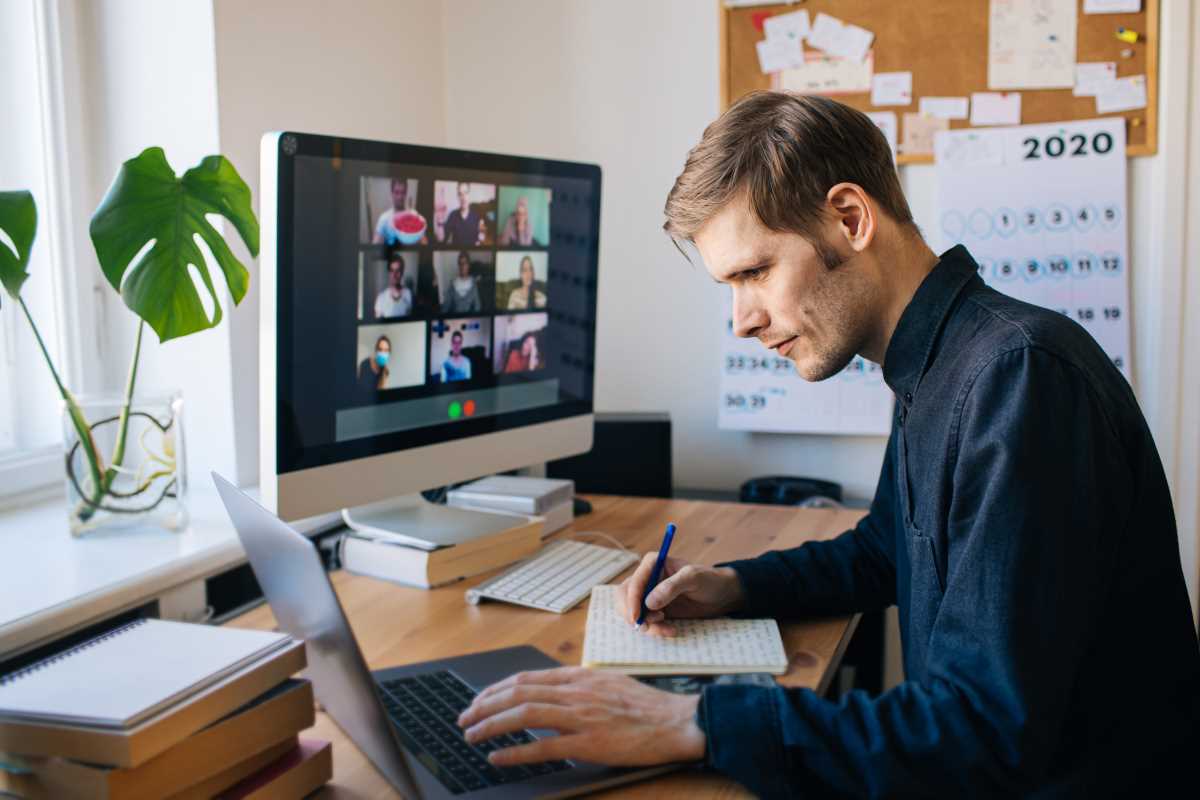
During the interview process, which will almost certainly be on video, ensure your setup is professional. Test your camera and microphone beforehand. Choose a quiet location with a clean, uncluttered background. Communicate clearly and confidently, and be prepared to answer questions specifically about how you handle the challenges of remote work, such as time management and communication.
Prepare for Your First 90 Days
Landing the job is just the beginning. The transition phase in your first three months is critical for long-term success. The lack of physical proximity means you have to be much more proactive about integration.
Over-communicate at the start. Provide regular updates on your progress without being asked. Ask clear, thoughtful questions when you are unsure about something. It is better to ask for clarification than to make an assumption and waste time going in the wrong direction.
Schedule one-on-one video calls with your new teammates. These informal chats help build the rapport that would normally happen organically in an office. Learn about their roles, their communication preferences, and how you can best support them.
Finally, establish a firm routine and boundaries. Decide on your start and end times and stick to them. Create a ritual to signal the end of your workday, like closing your laptop and going for a walk. This discipline is essential for preventing burnout and maintaining a healthy work-life balance.