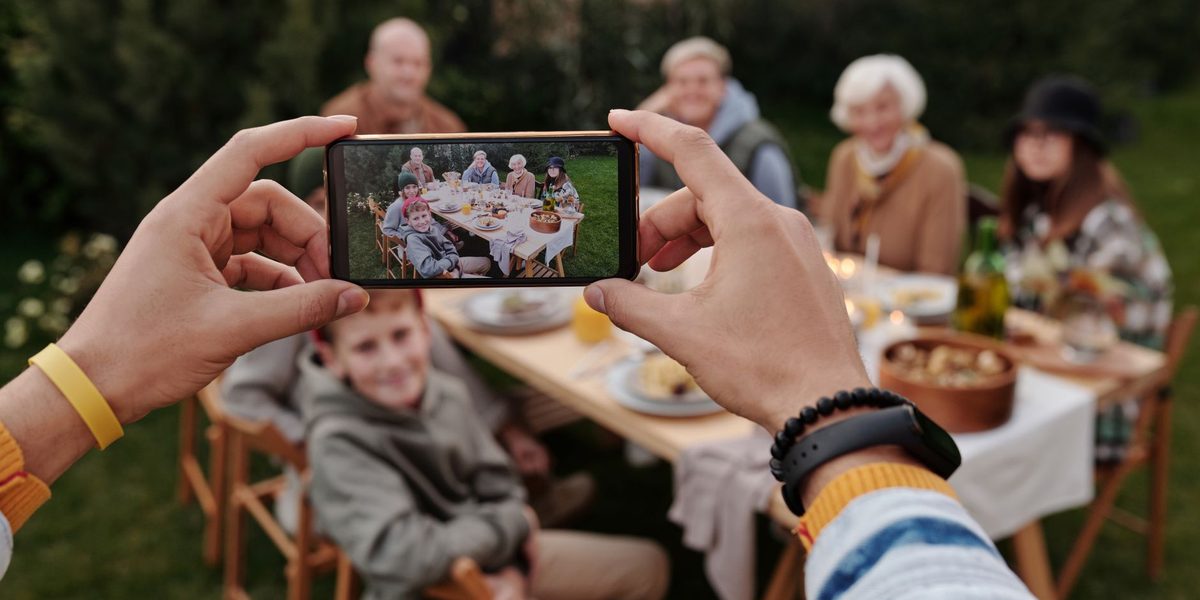
The best camera, as the old saying goes, is the one you have with you, and for nearly everyone that means a phone. Modern phone cameras are remarkable instruments, yet most of the photos they take are hurried, dim, and centered like a passport picture. The difference between a snapshot and a photograph almost never comes down to equipment. It comes down to light, framing, timing, and a few seconds of care. Here is how to get dramatically better pictures out of the phone already in your pocket, starting today, without buying a single thing.
Chase Light Before Anything Else
Photography is light, full stop, and phone cameras amplify the difference between good light and bad. The most flattering light for people is soft and indirect: near a window, under open shade, or outdoors on an overcast day. The golden stretch shortly after sunrise and before sunset bathes everything in warm, low-angle light that makes even parking lots look cinematic. Harsh midday sun, by contrast, carves unflattering shadows under eyes and blows out skies.
Work with direction, too. Light falling on your subject from the front or side illuminates faces; light behind your subject turns them into a silhouette unless you deliberately want that effect. Indoors, turn people toward windows and lamps rather than away from them, and skip the phone's flash whenever you can; it flattens faces and paints the scene a harsh white. If a photo looks bad, before blaming the camera, move yourself or your subject three steps toward better light and try again. That one habit outperforms any upgrade.
Clean Your Lens, Steady Your Hands
It sounds absurdly basic, but the number one cause of hazy, glowing, smeared phone photos is a dirty lens. Your phone lives in pockets and hands; its lens collects fingerprints and lint constantly. Wipe it with a soft cloth, or in a pinch a cotton shirt hem, before shooting anything you care about, and you will often see an instant jump in clarity and contrast.
Stability matters nearly as much, especially in lower light where the camera needs a longer moment to gather brightness. Tuck your elbows against your body, hold the phone with both hands, and exhale as you shoot. Lean against a wall or rest the phone on a table, railing, or stack of books for anything dim. Use the volume button as a shutter if tapping the screen jostles the frame, and try burst mode for action so you can pick the sharp frame afterward.
Learn the Two-Second Focus Ritual
Most people let the camera guess what the photo is about. Take control: tap the screen on your subject, and the camera sets both focus and exposure for that spot. If the image looks too bright or too dark after tapping, nearly every camera app lets you slide a finger up or down to adjust brightness before you shoot. Those two gestures, tap and slide, are the closest thing to a secret handshake in phone photography.
Two more built-in tools deserve a permanent place in your habits. First, turn on the grid in your camera settings; those faint lines help you keep horizons level and compositions balanced. Second, learn where the exposure lock lives, pressing and holding the focus point on most phones, so the camera stops re-guessing while you fine-tune your framing. None of this takes longer than a breath, and it moves you from hoping to deciding.
Compose Like You Mean It
Composition is the arrangement of things in your frame, and small choices transform ordinary scenes. The rule of thirds is the classic starting point: instead of centering your subject, place it along the grid lines or at their intersections, leaving room for the scene to breathe. Centering still works beautifully for symmetry, doorways, reflections, faces, but it should be a choice, not a default.
- Get closer. Most photos improve when you step forward and fill the frame with what matters.
- Change your height. Crouch to a child's or pet's eye level, or shoot from above for patterns and food.
- Check the edges. Scan the frame for photobombing trash cans, poles growing out of heads, and cluttered corners.
- Use leading lines. Roads, fences, railings, and shorelines pull the eye toward your subject.
- Frame within a frame. Shoot through doorways, branches, or windows to add depth.
One more habit: take a step to the left or right before shooting. Slight changes of angle routinely reveal a cleaner background or better light, and pixels are free.
Zoom With Your Feet, Not Your Fingers
Pinch-zooming past your phone's actual lenses forces the camera to crop and invent detail, producing the mushy, watercolor look that ruins so many concert and wildlife shots. If your phone has multiple physical lenses, tapping their preset buttons keeps quality high; anything beyond that is digital magnification, and it costs sharpness fast. When you want a closer shot, the best zoom is usually your legs.
When walking closer is impossible, take the wider shot and crop later; you will keep more control over the final frame. And do not neglect the humble portrait and macro-style modes for what phones genuinely do well: nearby subjects. Phones struggle with distant action but excel at faces, food, textures, pets, and small details of daily life. Lean into those strengths and your keeper rate climbs immediately.
Edit Lightly, Not Loudly
Editing is where good photos become finished ones, and the built-in editor on your phone is more capable than most people realize. A productive routine takes under a minute: straighten the horizon, crop away distractions, nudge brightness and contrast, lift shadows slightly, and add a touch of warmth if skin looks gray. Small moves, stacked together, make a photo look intentional.
The most common mistake is overdoing it, saturation cranked until grass glows, faces smoothed into plastic, heavy filters slapped over everything. A useful test: an hour later, if the edit is the first thing you notice, dial it back. Filters can be fun for a consistent mood, but apply them at reduced strength. The goal is a better version of what you saw, not a poster of somewhere that never existed.
Shoot More, Keep Less, Back Up Everything
Professionals take many frames and show few, and you should too. Shoot generously, three or four versions of anything that matters, then, crucially, delete the misses that same day and favorite the winner. A curated library of good photos is a joy; twelve near-identical frames of the same brunch are a burden. Regular pruning also keeps your storage from overflowing at the worst moment.
Finally, protect the photos you love. Turn on automatic cloud backup so a lost or broken phone is an inconvenience rather than a tragedy, and consider an occasional second copy on a computer or external drive for the irreplaceable ones. Print a few now and then, too, photos on a wall or in an album get seen, while photos in an app mostly wait in the dark.
Final Thoughts
Better photos are not hiding inside a newer phone; they are hiding inside slower, more deliberate seconds with the phone you own. Find the light, clean the lens, steady your hands, tap to focus, compose with intention, resist the digital zoom, edit with a light touch, and back up what you keep. Every one of those habits is free, and together they will change your camera roll more than any upgrade ever could. The next great photo of your life is probably a few steps to the left, in better light, two seconds of attention away.