For many people, email is not a task; it is a condition. The inbox stays open in a corner of the screen all day, and every new arrival tugs at attention like a doorbell. The result is a workday spent half in the inbox and half in everything else, with neither getting full focus. The two-pass method offers a different deal: give email your complete attention twice a day, and give it none of your attention the rest of the time. Most people who try it discover something surprising. They respond faster, miss less, and think more clearly, all while spending less total time on mail.
The Real Cost of Constant Checking
Each glance at the inbox seems free, but it is not. Switching attention has a re-entry cost: after reading a message, your mind takes time to return fully to what it was doing. Multiply that by the dozens of checks a typical day contains and you lose a startling amount of usable focus. Worse, most checks accomplish nothing. You read a message, decide it can wait, and leave it there, which means you will read it again later. Every unprocessed glance is a small loan against your future time, with interest.
Constant checking also trains the people around you. When you answer within minutes at random hours, colleagues learn to expect it, and the pressure to keep checking grows. Predictable responsiveness, twice a day, resets that expectation to something sustainable without making you unreliable.
How the Two-Pass Method Works
The core idea is simple. Choose two windows in your day, perhaps late morning and late afternoon, and process email only during those windows. Processing is different from checking. Checking means looking; processing means finishing. During a pass, you handle every message until the inbox is empty or nearly so, and between passes, the mail client stays closed with notifications off.
The timing matters. A late-morning first pass protects your freshest hours for real work instead of donating them to other people's requests. A late-afternoon second pass catches everything that arrived during the day and lets you close loops before finishing. If your role genuinely demands quicker turnaround, adapt the rhythm rather than abandoning it: three shorter passes still beat forty scattered glances.
The First Pass: Triage With a Decision for Everything
Open the inbox and move through messages oldest to newest, making one decision per message. The classic options cover almost everything:
- Delete or archive: anything informational you have absorbed, and anything you were only copied on out of politeness.
- Reply now: if a response takes under two minutes, send it immediately rather than storing the obligation.
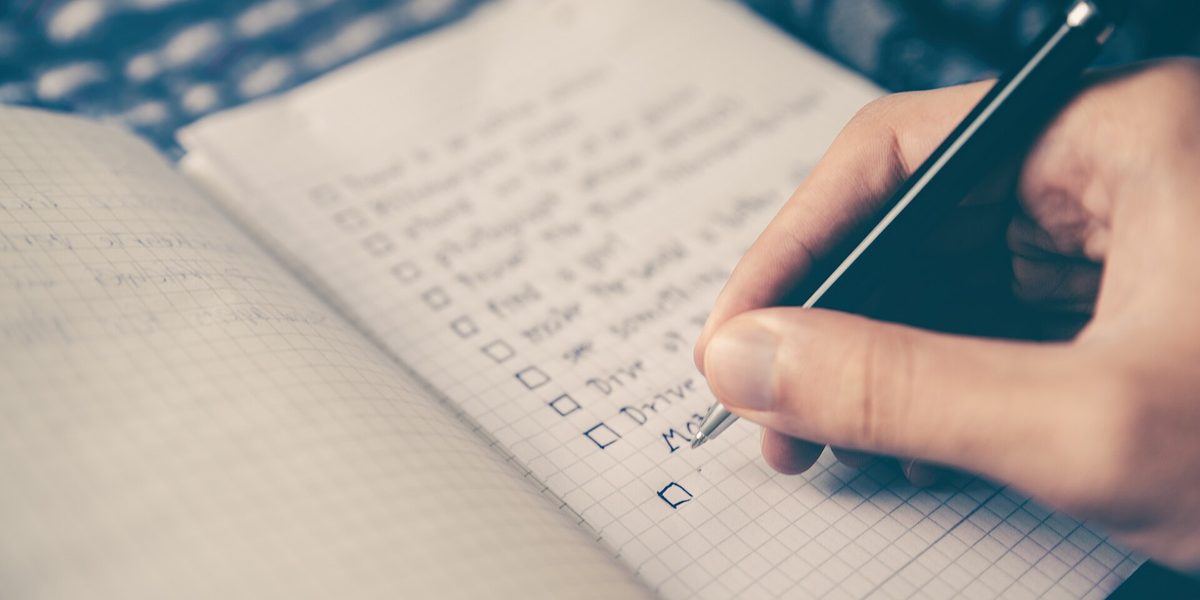
- Defer deliberately: if a reply needs real thought, add it to your task list with a note, then archive the message. The task list, not the inbox, is where work waits.
- Delegate or forward: if someone else should handle it, pass it along with clear context in one sentence.
The discipline is touching each message once. Reading a message and leaving it in place feels harmless, but it quietly converts your inbox into a to-do list written by other people, sorted by arrival time instead of importance.
The Second Pass: Closing Loops
The afternoon pass has a different flavor. Beyond triaging new arrivals, it is your moment to finish conversations. Send the thoughtful replies you deferred in the morning. Nudge the threads waiting on others. Confirm tomorrow's commitments. Ending the day with a processed inbox produces a distinct mental quiet: nothing is lurking, so nothing follows you home. People often report that evening restlessness about work drops sharply once the second pass becomes routine, because the brain trusts that everything received has been seen and sorted.
Keep this pass timeboxed. Thirty to forty-five minutes is enough for most inboxes once the habit settles. If it regularly takes longer, the problem is usually upstream: too many subscriptions, too many threads you do not need to be on, or replies that are longer than the question deserved.
A note on tools: you do not need a complicated folder system for this to work. One archive folder plus search covers most needs, because the point of processing is to get decisions out of the inbox, not to build a filing cabinet. If your work truly requires reference folders, keep them few and obvious. Every minute spent deliberating over where a message belongs is a minute stolen from the pass, and elaborate folder trees are the most common way a thirty-minute pass swells into an hour.
Shrinking the Inflow
The fastest way to spend less time on email is to receive less email. During your passes, treat every low-value message as a prompt to act at the source. Unsubscribe from newsletters you skim out of guilt. Turn off notification emails from apps that already notify you elsewhere. Ask to be dropped from recurring threads where you contribute nothing. Each fix takes seconds and pays daily dividends.
Your own habits shape inflow too. Every message you send is an invitation for a reply, so send fewer, clearer messages. Put the question in the first line. Offer options instead of open-ended prompts: Does Tuesday or Thursday work? generates one short answer, while When are you free? generates a negotiation. Ending threads gracefully, with a simple Thanks, all set, also stops the polite infinite loop of replies about replies.
Handling the Fear of Missing Something Urgent
The biggest obstacle to the two-pass method is not logistics; it is anxiety. What if something urgent arrives at ten and I do not see it until noon? It helps to examine that fear honestly. Genuine emergencies rarely travel by email, precisely because everyone knows email is slow. Urgent matters arrive by phone, by message, or by someone appearing at your desk. Tell the handful of people who might legitimately need you fast which channel to use, and the fear loses its grip.
It also helps to run the experiment before trusting the theory. Try the method for one week and keep a note of every genuinely urgent email that suffered from a delayed response. Most people end the week with an empty note and a changed relationship to their inbox.
Making It Stick
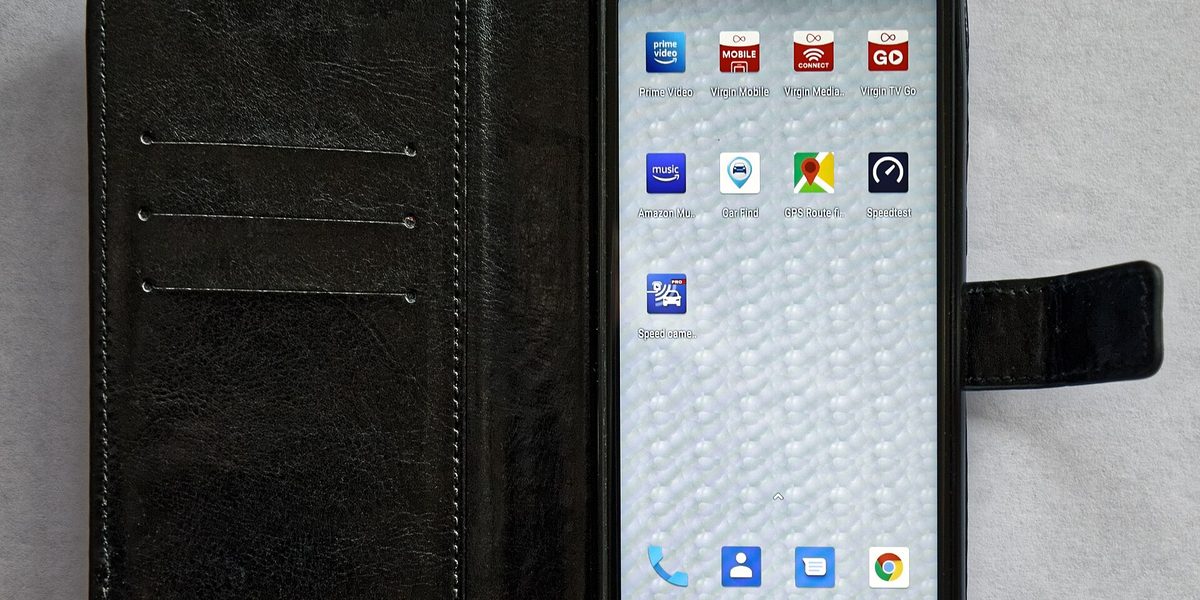
Structure beats willpower. Put both passes on your calendar as real appointments, because an unscheduled habit dissolves under the first busy day. Close the mail app entirely between passes; an open tab is an invitation. Silence email notifications on your phone, or move the mail icon off your home screen so checking becomes a decision instead of a reflex.
Expect a short adjustment period. The first two days, your hand will drift toward the inbox out of pure muscle memory. That twitch is not a sign the method is failing; it is a sign of how deep the old habit ran. By the second week, the checking reflex fades, and the two windows start to feel like enough, because they are.
Finally, tell people what you are doing, at least the colleagues who interact with you most. A single line in a team chat, explaining that you process mail late morning and late afternoon and are reachable by phone for anything urgent, prevents confusion and often inspires imitation. Norms around email are contagious in both directions; someone has to be the first to make calm the default.
Final Thoughts
Email earns its bad reputation only when it runs unsupervised in the background of your day. Confined to two focused passes, it becomes what it was always meant to be: a useful, unhurried channel for words that can wait a few hours. Protect your mornings, process instead of check, shrink the inflow, and let predictability replace panic. The messages will still be there twice a day. The difference is that the rest of the day will finally be yours.