Anyone who has tried to concentrate while a neighbor mows the lawn, a dishwasher churns, or a household negotiates snack logistics knows that sound is the great enemy of focus. Noise-cancelling headphones promise a private bubble of silence you can carry from room to room, and for many remote workers they have become as essential as the laptop itself. But the technology is widely misunderstood. It does not erase all sound, it works far better on some noises than others, and it is not automatically the right tool for every person or every situation. Understanding how noise cancellation actually works, and where its limits lie, helps you decide whether it belongs in your focus toolkit and how to get the most from it if it does.
The Two Kinds of Quiet
Headphones fight noise in two fundamentally different ways, and most good models use both. The first is passive isolation: the physical blocking that comes from cushioned ear cups sealing around your ears or ear tips sealing your ear canal. Passive isolation is just soundproofing you wear, and it is most effective against higher-pitched sounds like voices, clattering dishes, and keyboard noise.
The second is active noise cancellation, the headline technology. Microphones on the headphones continuously sample the sound around you, and a processor instantly generates an inverted version of that sound wave, a mirror image played through the speakers. When the original wave and its mirror meet at your ear, they largely cancel each other out. It sounds like science fiction, but it is simply how waves behave: a peak meeting an equal and opposite trough flattens to near silence. The result is that steady background rumble drops away dramatically, often before your music even starts.
What It Silences Well, and What Slips Through
Active cancellation has a distinct personality. It excels at constant, low-pitched, predictable sound: the drone of an airplane cabin, traffic hum, air conditioning, fans, and rumbling appliances. These noises repeat steadily enough that the processor can predict and counter them almost perfectly, which is why frequent flyers were the technology's first devotees.
Irregular, high-pitched sounds are harder. Voices, a barking dog, a doorbell, clinking cutlery, and sudden bangs change too fast for perfect prediction, so they are muffled rather than erased, with the ear cups' passive seal doing much of the work. This is worth internalizing before you buy: if your enemy is a rumbling street or a droning HVAC system, cancellation will feel miraculous. If your enemy is intermittent conversation in the next room, expect real but partial relief, and consider pairing the headphones with gentle background audio to mask what remains.
Why Quiet Helps Focus So Much
The value of silencing background noise goes beyond comfort. Unexpected sounds are interruptions, and attention research has long suggested that recovering from an interruption takes meaningfully longer than the interruption itself. Every door slam and hallway conversation forces your brain to evaluate the sound, dismiss it, and re-enter the task, and those little tolls add up across a day.
Steady noise exacts a subtler tax: the constant low-level effort of tuning it out. Many people notice that a day in a noisy environment leaves them drained even when they got work done. Reducing the ambient load frees that background effort for the actual task. There is also a ritual effect that should not be dismissed: putting on the headphones becomes a physical signal, to yourself and to the household, that deep work has begun. Over time the cue itself helps your brain shift gears, the same way sitting at a dedicated desk does.
Over-Ear, On-Ear, or Earbuds
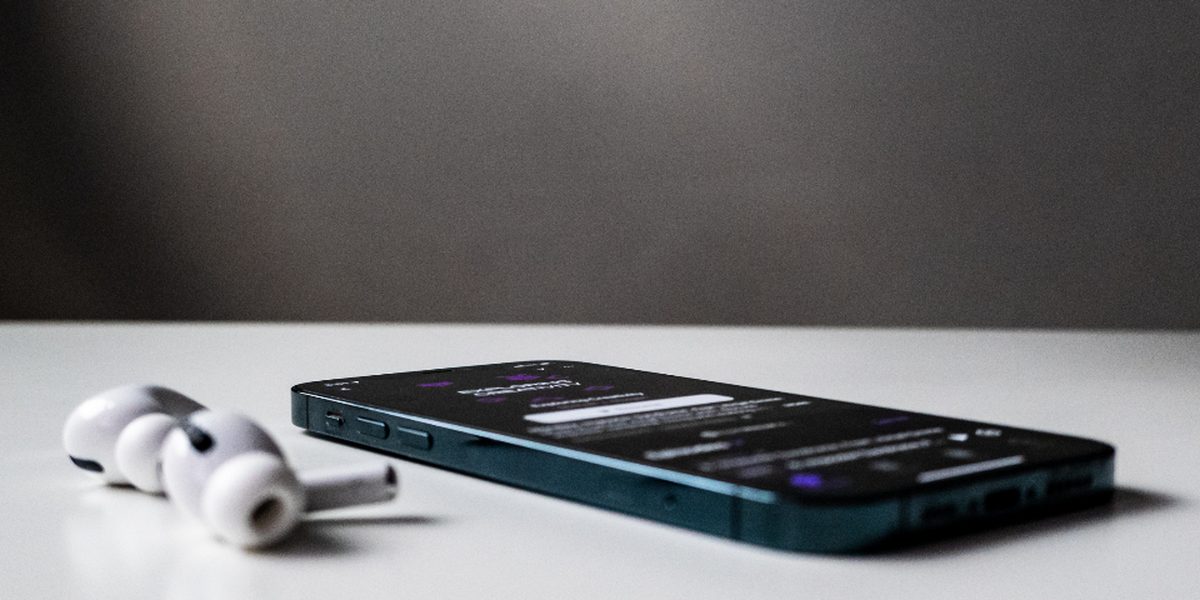
Noise cancellation comes in several form factors, and the right one depends on your ears, your day, and your tolerance for wearing things. Over-ear models generally cancel best, because large cups seal well and leave room for bigger drivers and processors; they are also comfortable for long stretches, though they can feel warm and conspicuous. Earbuds with sealing tips have improved remarkably and travel far better, but some people dislike the in-canal sensation over a full workday. On-ear models split the difference and usually seal least effectively.
Beyond form factor, a few features matter disproportionately for focus work:
- Comfort over hours, since the best cancellation is worthless if your ears ache by lunch.
- A transparency or ambient mode that pipes the outside world in on demand, so you can hear a question or a delivery without removing anything.
- Battery life that comfortably outlasts your workday.
- Microphone quality, if the same headphones will serve your video calls.
Try before committing when you can, because fit determines both comfort and the passive seal that cancellation builds on.
Getting the Most Out of Them
A few habits multiply the benefit. First, get the fit right: cups fully enclosing the ears, or tips sized so they seal gently, because a broken seal lets low-end noise leak straight past the electronics. Second, resist the urge to raise volume; with the background gone, music and calls are comfortable at lower levels, which is kinder to your hearing over the long haul. Many people run cancellation with no audio at all, or with quiet instrumental sound, and find it more restful than a soundtrack.
Third, use modes deliberately. Full cancellation for deep work, transparency for times you need situational awareness, off for conversations. Some people find switching modes throughout the day, rather than living in one, keeps the experience comfortable. Finally, take periodic breaks with the headphones off. A few minutes of natural sound each hour keeps your ears fresh and gives the pressure-like sensation some people notice a chance to reset.
What you play through them matters too. Lyrics compete with language-heavy work like writing and reading, which is why many people reach for instrumental music, ambient soundscapes, or steady background noise during deep work and save vocal playlists for routine tasks. Experiment for a week: try silence, rain sounds, and familiar instrumental albums against the same kind of task, and notice which leaves you least aware of time passing. That, not anyone else's formula, is your focus soundtrack.
When They Are Not the Answer
Noise cancellation is a tool, not a cure-all, and it has honest limitations. A minority of users find the sensation of cancellation odd or mildly uncomfortable, especially at first; it often fades with use, but not for everyone. Anyone responsible for a sleeping baby, a curious toddler, or a doorbell that must be answered should favor transparency modes or single-ear listening, because deliberately removing your awareness of the environment is sometimes the wrong move. The same logic applies outdoors: walking or cycling with full cancellation trades safety for silence, a poor bargain near traffic.
It is also worth remembering the cheaper alternatives. Earplugs cost pennies and block sound respectably. Moving your desk away from the noisy wall, working during the house's quiet hours, or agreeing on household focus windows can accomplish what electronics only approximate. The headphones shine brightest when the noise is beyond your control.
Final Thoughts
Noise-cancelling headphones earn their reputation honestly: they neutralize the steady rumble of modern life better than anything else you can wear, and for focus-hungry remote workers that can transform an ordinary kitchen table into a workable office. Just buy them with clear eyes. They dominate droning, low-pitched noise, merely soften voices and clatter, and work best fitted properly, used at modest volume, and removed now and then. Match the tool to your actual noise problem, and that button-press into sudden quiet may become the most reliable focus ritual you own.