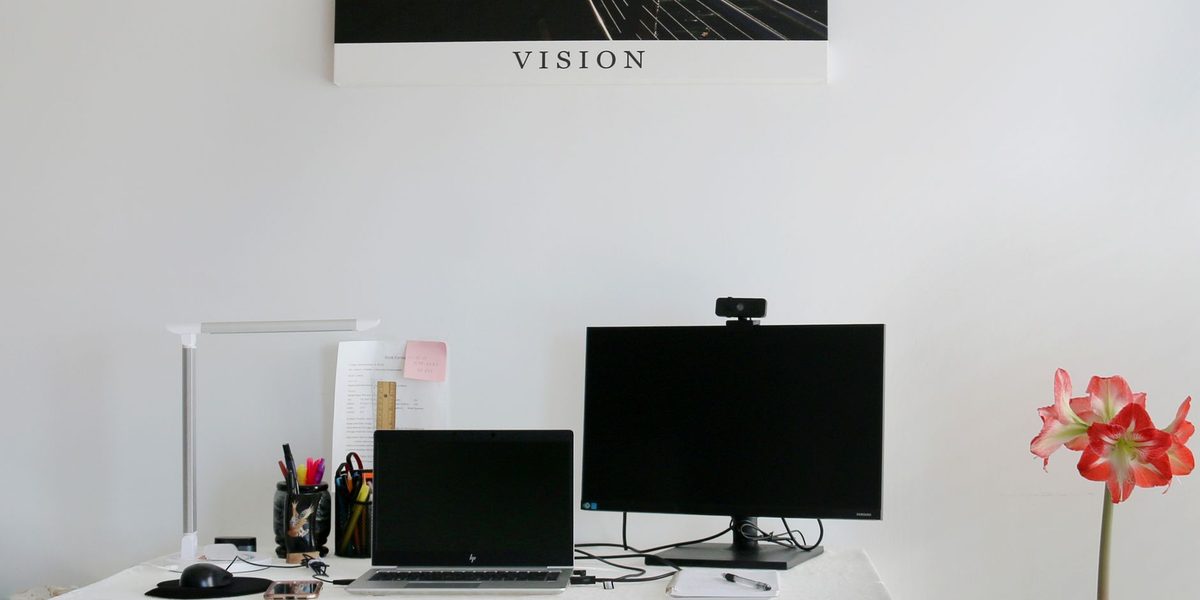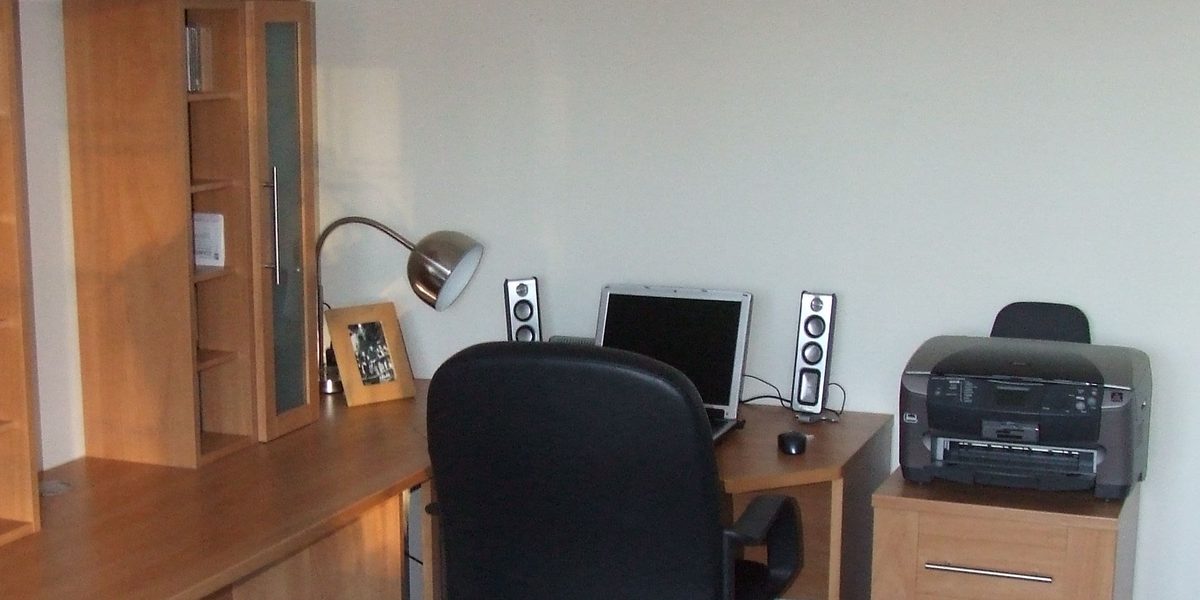
Most home offices are set up once, in a burst of enthusiasm, and then never deliberately touched again. The desk stays where it landed, the lamp points where it pointed, and the accessories accumulate in layers like sediment. Meanwhile everything around the setup changes: the light shifts with the seasons, the temperature problems reverse, your projects and tools evolve, and the arrangement that felt energizing in its first month fades into invisible, faintly stale scenery. A seasonal workspace refresh, a deliberate rethink of the room a few times a year, keeps the setup matched to your actual life and delivers a surprising jolt of renewed focus. It is not redecorating for its own sake. It is maintenance for the place you spend a third of your waking hours.
Why Refreshing a Workspace Actually Works
Novelty has a real effect on attention. A room you have stopped seeing gives your brain nothing to wake up for, and the small drag of a slightly-wrong setup, the glare you tolerate, the pile you route around, the chair blanket that migrated in one cold week and never left, compounds daily without ever rising to the level of a problem you address. A scheduled refresh converts all that background tolerance into a short list of fixes.
Seasons make the natural schedule, and not just as a calendar convenience. The conditions your workspace must handle genuinely change through the year: sun angle and glare, daylight hours, heating and cooling needs, even what you wear and how you sit. An arrangement optimized in summer is measurably wrong by midwinter. Three or four refreshes a year, each an hour or two, keep the room tuned to the conditions it actually operates in, and each one doubles as the deep-clean and declutter the space was quietly overdue for.
Start With an Honest Audit
Begin each refresh not by moving furniture but by observing. Sit in your chair and look at the workspace as a stranger would. Then walk through a few questions and write down what you notice. What annoyed you in the past few months, even mildly? Where does light bother you at which times of day? What do you reach for constantly, and is it close? What have you not touched since the last season, and why is it still here? What does the camera see behind you on calls, and is that still what you want it to see?
Give the audit teeth by checking the fundamentals while you are at it: screen top near eye level, monitor about an arm's length away, feet supported, elbows near ninety degrees, chair still adjusted rather than slowly sagging out of position. Setups drift, risers get bumped, chairs lose height, new gadgets crowd the keyboard forward, and a seasonal check catches the regressions your body was starting to pay for. The audit usually produces a short, obvious to-do list, and the rest of the refresh is simply executing it.
Clear the Sediment
Every workspace accretes. The refresh is the scheduled moment to reverse it. Take everything off the desk, everything, and clean the empty surface properly, along with the keyboard, screen, shelves, and the cable zone underneath where dust colonizes. Then return items one by one, and let each earn its way back: daily-use items to the desktop, weekly items to a drawer or shelf, everything else out of the room. The one-by-one return matters, because it flips the default. Instead of removing clutter, which requires a decision per item, you are admitting items, and the desk's default state becomes empty.
Extend the same pass to the invisible clutter. Empty the junk drawer and the catch-all box. Process the paper tray to zero. Retire the cables, chargers, and adapters for devices you no longer own, every desk seems to breed them. Do a quick digital sweep in the same spirit: a desktop full of stray files and a browser drowning in stale tabs are the on-screen version of the pile you route around. Fifteen minutes of filing and closing gives the next season a clean start on both surfaces you stare at.
Retune the Room to the Season Ahead
Now adjust the setup for the months coming, not the months past. The seasonal levers are consistent from year to year:
- Light: As days shorten, add and reposition lamps so your desk and your face on camera stay well lit through dark afternoons; as days lengthen, manage the new glare angles with curtains or a small desk rotation.
- Temperature: Swap the toolkit, the fan and window-shading routine in the warm months, the draft stopper, rug, and warm layer at the chair in the cold ones, before the first uncomfortable week rather than after.
- Textiles: Lighter curtains, covers, and cushions in summer, heavier and warmer in winter, change how the room feels at a cost of nothing but a swap from the closet.
- Greenery and decor: Rotate the plants, artwork, or the one personal object on the desk. Small changes are enough; the point is giving your eyes something fresh so the room reads as alive rather than frozen.
None of these adjustments is dramatic alone. Together they are the difference between a room fighting its season and a room fitted to it.
Rearrange Something, Even If Small
The most energizing part of a refresh is often the least practical-sounding one: change the arrangement. Rotate the desk to face a different direction, swap which side the lamp sits on, move the bookshelf, reverse your monitor and laptop positions, relocate the whole setup to the other side of the room if the geometry allows. Physical rearrangement resets your sense of the space more powerfully than any amount of tidying, and it frequently surfaces improvements you could not see from inside the old layout, better light on your face, a calmer view, a wall that stops echo behind you.
Not every season needs a furniture move, and a working layout should not be churned for novelty alone. But when the audit shows accumulating friction, or when the room has simply gone invisible to you, a rearrangement is the strongest tool on the shelf. Even a small one, a new spot for the plant, a different chair angle, a cleared and restyled shelf in the camera's view, is enough to make the space feel deliberately chosen again rather than merely inherited from your past self.
Close the Loop: Note What the Next Season Needs
End each refresh with five minutes of notes for the next one. What did you wish you had bought, fixed, or done differently this season? Which annoyances did you decide to tolerate, and should next quarter's version of you finally address them? A running workspace list, kept wherever you keep lists, turns the refresh from a recurring blank slate into a slow, compounding improvement process. Over a few cycles, the big rocks get handled, the seasonal swaps become routine, and each refresh gets shorter while the workspace gets steadily better.
Then put the next refresh on the calendar, at the change of season or the start of a quarter, whichever your mind tracks better. An unscheduled refresh is a refresh that happens once. A scheduled one becomes part of how the office runs, the same way the two-minute daily tidy and the monthly sweep do, one more loop that keeps the space serving you instead of slowly working against you.
Final Thoughts
A home office is not a monument; it is equipment, and equipment needs periodic service. A few times a year, sit in the chair, audit honestly, strip the sediment, retune the light and temperature for the season ahead, and move something, then note what the next cycle should fix. Each refresh costs an hour or two and pays it back in a room that feels current, comfortable in its season, and freshly interesting to sit down in. The work changes, the light changes, you change. The workspace should keep up.