When a home office feels cramped, the instinct is to want a bigger desk or a bigger room. But look up: the largest unused storage surface in almost every workspace is the wall. The square footage hanging empty above a typical desk exceeds the desk itself, and unlike the desk, it never gets buried under coffee mugs and paperwork. Moving storage, tools, and planning surfaces onto the wall clears the desktop for actual work, keeps everyday items visible and reachable, and does it all without claiming a single inch of floor. Three workhorses cover nearly every need: the pegboard, the shelf, and the whiteboard. Here is how to choose among them and hang each one so it genuinely earns its wall.
Map the Wall by Reach, Not by Looks
Before buying anything, understand that wall space near your desk comes in zones. The prime zone is what you can touch without leaving your chair: roughly from desk height to a bit above your seated eye level, within an easy arm's sweep. This zone is scarce and should be reserved for things you use daily, frequently referenced notes, everyday tools, the headset hook. The secondary zone, higher up or a lean away, suits things used weekly: supplies, reference books, files. The display zone, everything above standing reach, is for storage boxes you rarely open and for decor.
Most wall-organization disappointments come from ignoring these zones: a beautiful shelf mounted too high to reach from the chair becomes a dust platform, and a pegboard across the room stays empty while the desk stays cluttered. Plan the wall the way you would plan a kitchen, frequency of use determines distance from where you sit.
Pegboards: Flexible Storage for Tool-Heavy Work
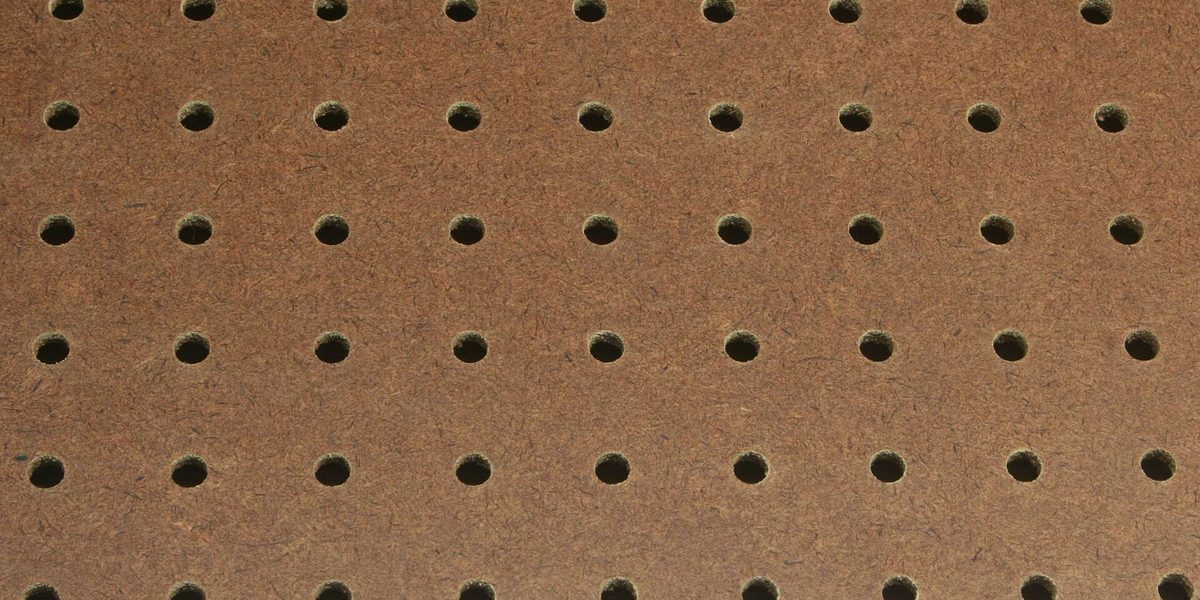
The pegboard, once confined to workshops, has become a home office staple for a simple reason: it is reconfigurable storage that holds nearly anything. Hooks carry scissors, headphones, and cables; small shelves and cups hold pens, notepads, and chargers; clips display the document you keep needing. When your work or seasons change, you move the pegs in seconds, no new holes in the wall.
Pegboards suit people whose work involves objects, crafters, makers, anyone with gadgets and supplies, and anyone who forgets what they cannot see. Mount the board on spacers or a frame so pegs can seat behind it, anchor it into studs or with proper wall anchors, and size it generously; a board that only fits half your gear pushes the rest back onto the desk. Then curate it like a tool wall, not a junk drawer: everything visible, nothing doubled up, one home per item. A pegboard rewards a little discipline with a desk that holds nothing but the work in front of you.
Shelves: Heavy Lifting at the Right Heights
Shelves carry what pegboards cannot: books, binders, boxes, plants, a printer. The rules that separate useful shelving from wall clutter are mostly about placement and weight. Mount the lowest shelf high enough that it clears your monitor and your sightline, typically a couple of hand-widths above the screen, so the wall works without looming over you. Keep frequently used items on that first shelf, storage boxes on the next, and reserve the top for things you touch a few times a year.
Weight is the unglamorous detail that decides everything. Books are heavy, and a shelf of binders is heavier than it looks, so fasten brackets into wall studs wherever possible and use anchors rated well beyond your expected load everywhere else. Floating shelves look cleanest but hold the least; bracketed shelves hold real weight; a track-and-bracket system offers adjustable heights and serious capacity while still looking tidy. One design habit keeps shelves functional: leave visible empty space on every shelf. A shelf packed edge to edge is full, and full storage overflows back onto the desk, which defeats the entire project.
Whiteboards and Planning Surfaces: The Thinking Wall
Not all wall value is storage. A writable surface at eye level changes how you plan: tasks, sketches, and reminders move out of your head and out of scattered notes into one glanceable place. The classic whiteboard suits task lists and diagrams that change daily. Cork boards hold the papers and cards you need visible but not stuck to the desk. Wall calendars carry the month at a glance. Some offices combine them, a strip of cork beside a whiteboard, and whiteboard paint or adhesive whiteboard film can turn an oddly sized wall section into a custom writing surface.
Placement follows use. A board you write on daily belongs beside or just above your desk, reachable from a standing turn; a big-picture planning board can live on the wall you face when you lean back to think. Two cautions keep the thinking wall useful. First, on video calls a whiteboard behind you broadcasts its contents, position boards off-camera or be mindful of what they show. Second, a whiteboard only works if it is periodically erased; a board frozen with months-old notes becomes wallpaper. A weekly wipe-and-rewrite keeps it a live tool.
Combining Systems Without Creating Noise
The best office walls usually mix all three elements, but mixing invites visual chaos if each piece is hung wherever it fits. A few composition habits keep a working wall calm:
- Align edges. Share a common top or bottom line between the pegboard, shelves, and boards so the wall reads as one arrangement rather than scattered patches.
- Contain the categories. Tools live on the pegboard, storage on shelves, notes on the boards. When categories bleed, papers pinned to the pegboard, gadgets piled on the shelf, both systems degrade.
- Match materials loosely. Boards, brackets, and boxes in a limited palette of two or three finishes look intentional; a rainbow of leftover hardware looks like a garage.
- Leave one stretch of wall empty. Blank space gives the eye somewhere to rest and gives the arrangement room to grow. A wall organized corner to corner is just clutter at eye level.
A useful test after a few weeks: anything on the wall you have not touched or read since hanging it is decor at best and noise at worst. Demote it upward, or take it down.
Renter-Friendly Ways to Do All of This
Wall organization has a reputation for hostility to security deposits, but every element here has a low-damage version. Adhesive hooks and strips, used within their weight ratings and removed correctly, handle lightweight duty: cable runs, headphone hooks, small whiteboards, cork tiles. Freestanding pegboard easels and desktop shelf risers deliver similar function with zero holes. A leaning ladder shelf puts real storage against the wall without a single anchor, and over-door organizers exploit a surface nobody counts as wall.
Where hanging is allowed, favor a few properly anchored fixtures over many small ones, one track system with movable shelves and hooks does the work of a dozen scattered nails and leaves fewer holes to patch on move-out day. And whatever the method, obey the ratings: an over-loaded adhesive hook fails suddenly, at whatever hour your heaviest headphones prefer.
Final Thoughts
A cluttered desk is very often an empty wall's fault. Map the wall by reach, then assign each system its job: a pegboard for the tools and gadgets of daily work, shelves for weight at heights you can actually use, and a writable surface for the plans that otherwise live on sticky notes. Hang everything into studs or rated anchors, align it so it reads as one calm composition, and leave some blank space in reserve. The reward is an office where the desk holds nothing but today's work, and everything else hangs exactly one glance and one reach away.