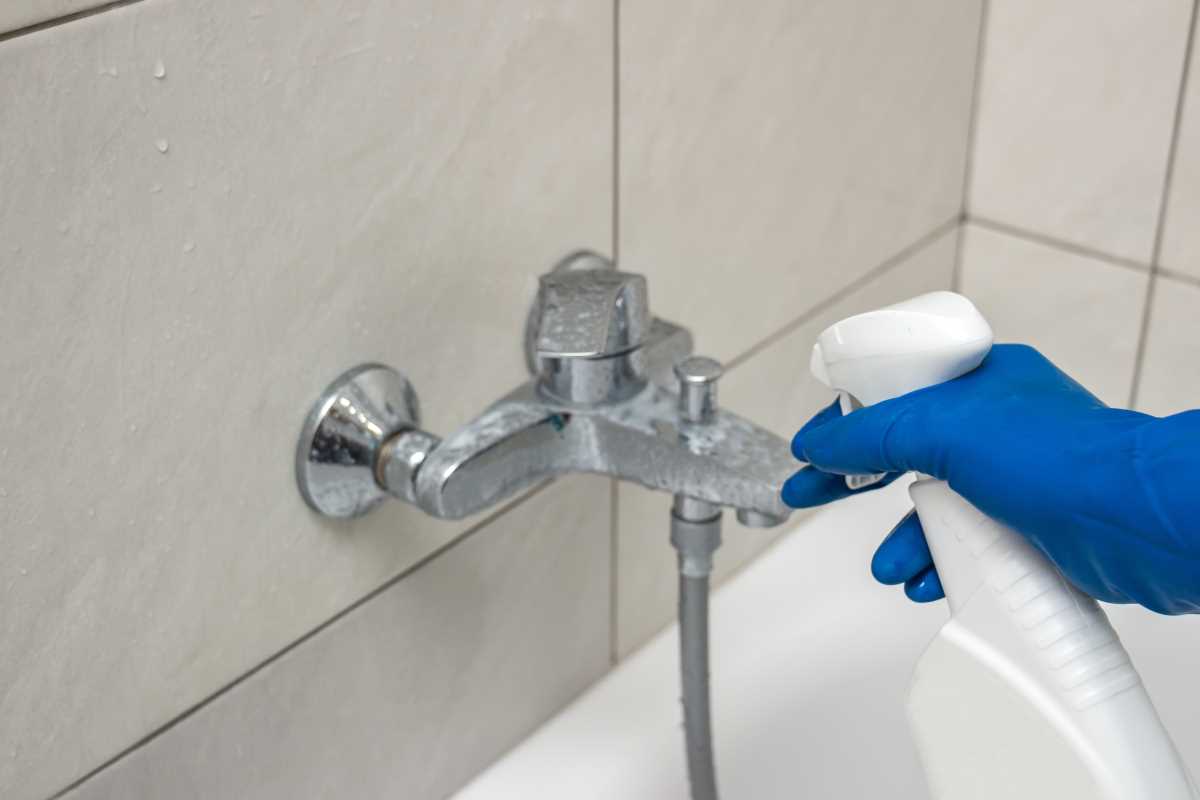
The bathroom is one of the most used rooms in any home, so it gets dirty fast. Cleaning it means you're scrubbing a lot of soap scum, mildew, and water spots. Many people spend hours scrubbing with harsh chemicals, only to be disappointed with the results. The good news is that you don't need a professional cleaning crew or a cabinet full of expensive products to get a sparkling finish. The secret lies in using clever hacks and the right techniques to work smarter, not harder. We are going to spill the beans on some efficient, time-saving methods for tackling every part of your bathroom, leaving it cleaner than ever with minimal effort.
The "Spray and Soak" Method
The biggest mistake people make is spraying a cleaner and immediately wiping it away. Cleaning products need time to work their magic. The "spray and soak" method allows the cleaner's chemical agents to break down dirt, grime, and soap scum, so you do less of the physical work.
Start by spraying your chosen cleaner generously on all the surfaces you plan to clean, such as the shower walls, tub, sink, and toilet. Let the cleaner sit for at least 10-15 minutes before you even think about scrubbing. Use this downtime to tackle another quick task, like emptying the trash or gathering dirty towels. By the time you come back, the cleaner will have loosened the grime, allowing you to wipe it away with a simple swipe of a sponge instead of intense scrubbing.
Use a Dish Wand for the Shower
Keeping a cleaning tool in the shower makes daily maintenance almost effortless. A dish wand with a built-in soap dispenser is the perfect tool for this job.
Fill the dish wand with a mixture of equal parts dish soap and white vinegar. The dish soap is a powerful degreaser that cuts through soap scum, while the vinegar dissolves hard water minerals. Keep the wand in your shower. At the end of your shower, while the walls are still wet and warm, take 30 seconds to scrub down the walls and door. The steam helps loosen grime, and this quick daily wipe-down prevents soap scum from building up in the first place, saving you from a major scrubbing session later.
Banish Toilet Rings with Pumice
A stubborn ring inside the toilet bowl can be frustrating. These rings are often caused by hard water mineral deposits, and a regular toilet brush won't touch them. A pumice stone is the secret weapon you need.
A pumice scouring stick, like the Pumie brand, is designed specifically for cleaning porcelain. Make sure both the pumice stone and the inside of the toilet bowl are wet to prevent scratching. Gently rub the pumice stone directly on the ring. The abrasive texture will break down the mineral deposits without damaging the porcelain. The ring will disappear in minutes. Flush the toilet to rinse it all away.
Make Your Faucets Shine with Wax Paper
Chrome fixtures attract water spots and fingerprints, making them look dull just hours after you clean them. A surprising household item can keep them gleaming for days: wax paper.
First, clean your chrome faucets and handles as you normally would. Once they are dry, take a sheet of wax paper and rub it vigorously over the chrome surfaces. The thin layer of wax left behind acts as a barrier. It repels water and prevents fingerprints from sticking. This trick takes about 15 seconds and dramatically extends the time between cleanings.
Steam Clean Your Microwave with Vinegar
This hack isn't for a bathroom microwave, but it uses a common bathroom cleaning ingredient to make another chore easier. The real hack is for your bathroom exhaust fan, which often gets neglected.
Your bathroom exhaust fan pulls moisture out of the air, but it also pulls in a lot of dust. A clogged fan can't do its job properly, which can lead to mold and mildew growth. Turn off the power to the fan at the circuit breaker. Remove the fan cover and soak it in warm, soapy water. Use a vacuum with a brush attachment to suck out all the loose dust from the fan blades and motor. A can of compressed air can dislodge any stubborn debris. Wipe everything down with a damp cloth, let it dry, and replace the clean cover.
Use a Lemon to Erase Hard Water Stains
Lemons are a natural cleaning powerhouse. The citric acid in lemon juice is incredibly effective at dissolving hard water stains and soap scum.
Cut a lemon in half. You can rub the cut side of the lemon directly on shower doors, faucets, and sinks that are covered in hard water spots. For tougher stains, you can dip the lemon half in baking soda or salt to create a gentle abrasive scrub. Let the lemon juice sit for about 10 minutes, then rinse it away with water. The acid breaks down the mineral deposits, and it leaves behind a fresh, clean scent without any harsh chemicals.
Unclog a Showerhead with a Plastic Bag
A slow-running showerhead is usually clogged with mineral deposits. You don't need to take the whole thing apart to clean it. All you need is a plastic bag, some white vinegar, and a rubber band.
Fill a sturdy plastic sandwich bag halfway with white vinegar. Carefully place the bag over your showerhead so that the head is completely submerged in the vinegar. Secure the bag in place with a rubber band or a twist tie. Let it soak for at least an hour, or overnight for very stubborn clogs. The vinegar will dissolve the mineral buildup inside the nozzles. Remove the bag and run the shower on hot to flush out any remaining debris.
Clean Grout with a DIY Paste
Dirty grout can make even the cleanest tile look dingy. You don't need a special grout cleaner. A simple homemade paste works wonders.
Create a paste using equal parts baking soda and hydrogen peroxide. You can also use a mixture of baking soda and water. Apply the paste to the grout lines using an old toothbrush or a small scrub brush. Let it sit for about 15 minutes. The baking soda acts as a mild abrasive, while the hydrogen peroxide helps to bleach away stains. Scrub the grout lines with the toothbrush and then rinse the area with water.
Use Shaving Cream to Defog Your Mirror
Tired of wiping your foggy mirror after every shower? A thin layer of shaving cream can prevent it from fogging up for weeks.
Apply a small amount of basic, non-gel shaving cream to your bathroom mirror. Use a clean, dry cloth to spread it over the entire surface. Then, use another clean, dry cloth to buff it off completely until the mirror is clear. The shaving cream leaves behind an invisible film that prevents water vapor from condensing on the glass.
Keep Your Toilet Brush Fresh
A toilet brush is a necessary tool, but it can be a breeding ground for germs and odors. Cleaning the brush is just as important as cleaning the toilet.
After you finish scrubbing the toilet bowl, don't put the brush right back into its holder. Prop the brush handle between the toilet seat and the bowl, letting the wet head drip-dry into the toilet. Once it is dry, you can pour a small amount of a multi-purpose cleaner like Pine-Sol or a disinfectant into the brush holder. This will kill any remaining bacteria and keep the brush smelling fresh for its next use.
Use a Squeegee for the Shower Door
The best way to combat soap scum is to prevent it from drying in the first place. A squeegee is the most effective tool for this job.
Keep a squeegee hanging in your shower. After every shower, take one minute to squeegee the water off the glass doors and tiled walls. Starting from the top and working your way down, this simple action removes the water and soap residue before it has a chance to dry into a cloudy film. It is the single most effective habit you can adopt to keep your shower looking crystal clear.