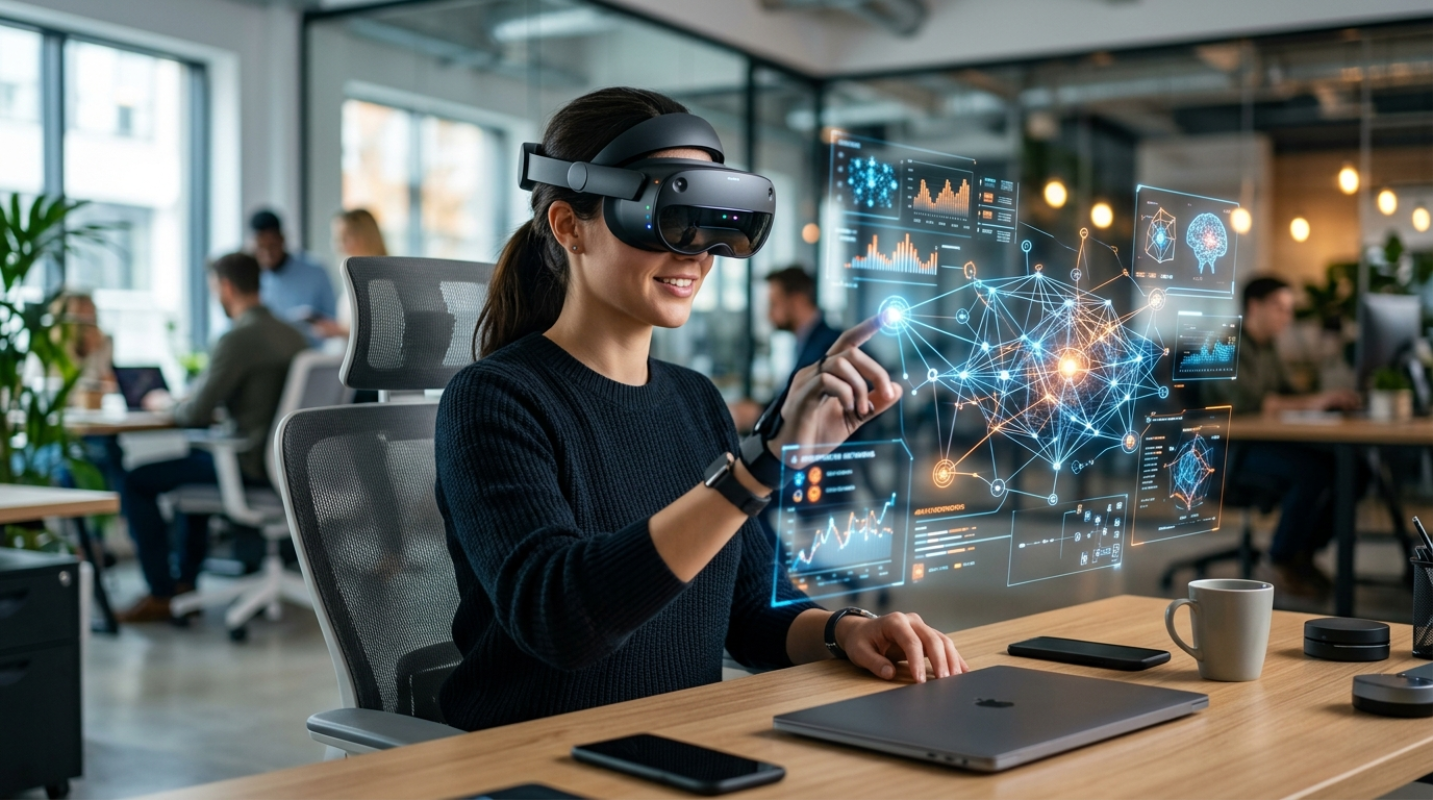
Most people think of technology as a major distraction. We constantly battle buzzing phones, endless notifications, and the urge to scroll through social media feeds. A new wave of gadgets is flipping the script, however. Wearable technology has evolved far beyond the simple plastic pedometers of the past. These smart devices are now powerful health labs that sit on your wrist, finger, or even your head, helping you understand your body and mind like never before. They can analyze your sleep, measure your stress levels, and even track how focused you are during the workday. By turning invisible biological data into easy-to-understand insights, wearable tech empowers you to take control of your productivity and your well-being.
Tech That Trains Your Brain
Physical health is easy to see, but mental focus is often invisible. Several cutting-edge wearables are designed specifically to monitor your brain activity and help you get into the "zone."
The Muse S Headband
Meditation is great for focus, but it can be hard to know if you are doing it right. The Muse S is a brain-sensing headband that uses EEG (electroencephalography) sensors to detect electrical activity in your brain. It acts like a mirror for your mind.
You wear the headband, put on headphones, and connect to the app. The device translates your brainwaves into the sounds of weather. You hear calm, gentle winds when your mind is calm and focused. The winds pick up and become stormy as your mind starts to wander. This instant audio feedback teaches you how to recognize distraction and bring your attention back to the present moment. It gamifies the process of quieting your mind, which directly translates to better focus when you are trying to study or work.
The Neurosity Crown
For those looking for a more intense productivity boost, the Neurosity Crown is a powerful option. It is a brain-computer interface designed to help you maintain a state of "flow," that magical feeling where you are completely absorbed in your work and productivity soars.
The Crown measures your brainwaves to determine your focus level in real-time. It connects to Spotify and can automatically play music that is scientifically proven to help you concentrate. It also has a feature called "Shift," which helps you transition into a focused state faster. By tracking your brain's performance over time, it helps you understand what times of day you are sharpest and when you need to take a break.
Wearables for Total Body Optimization
Focus relies heavily on how well your body is functioning. If you are exhausted or physically stressed, your work will suffer. These wearables focus on the holistic picture of your health.
The Oura Ring
Wearing a smartwatch to bed can feel bulky and uncomfortable. The Oura Ring solves this by packing advanced sensors into a sleek, lightweight ring. It is widely considered one of the best sleep trackers on the market.
Oura tracks your sleep stages (light, deep, and REM), your body temperature trends, and your resting heart rate. Every morning, it gives you a "Readiness Score." This score tells you how prepared your body is for the day. A high score means you are well-rested and ready to tackle difficult tasks. A low score is a gentle nudge to take it easy, maybe skip the intense workout, and prioritize recovery. Using this data allows you to plan your workday around your energy levels, ensuring you do your hardest work when you are physically capable of handling it.
Whoop 4.0
Athletes and high-performers often gravitate toward the Whoop strap. It is a screen-free wristband, which is a major plus for productivity. There are no notifications, texts, or flashing lights to distract you. It simply sits on your wrist and collects data 24/7.
Whoop focuses heavily on "Strain" and "Recovery." Strain measures how much stress you put on your body, whether through exercise or a demanding job. Recovery measures how well your body has bounced back from that strain during sleep. The goal is to balance the two. The app acts like a coach. It might tell you that because you had a stressful day yesterday and poor sleep, you should aim for less strain today to avoid burnout. This constant feedback loop helps you avoid running yourself into the ground.
Smartwatches as Wellness Companions
You don't always need a specialized device to track your health. The most popular smartwatches have evolved into serious health tools.
Apple Watch and Samsung Galaxy Watch
These general-purpose devices have become incredibly capable health monitors. They can detect irregularly high or low heart rates, which can be life-saving warnings. They also feature apps for "mindfulness" and "breathing."
The Apple Watch, for instance, has a Mindfulness app that prompts you to take a minute to breathe during a busy day. It uses haptic feedback (gentle taps on your wrist) to guide your breathing pace. This simple act can lower your heart rate and reduce cortisol levels, helping you reset your focus. Both Apple and Samsung watches also track sleep and activity, giving you a broad overview of your daily habits. Their "Stand" reminders encourage you to get up and move, which is crucial because sitting for hours blocks blood flow and reduces brain function.
How Wearables Change Your Daily Routine
Owning the device is only the first step. The real magic happens when you use the data to change your behavior.
Smarter Scheduling
Imagine waking up and checking your Oura Ring or Whoop app. The data shows your recovery is low because you didn't sleep well. Instead of forcing yourself to do deep, creative work first thing in the morning, you might adjust your schedule. You could spend the morning clearing out emails or doing administrative tasks that require less brainpower. You save the heavy lifting for a day when your readiness score is higher. This is working smarter, not harder.
Managing Stress in Real-Time
Stress is a productivity killer. Many wearables now track stress in real-time by monitoring sudden changes in your heart rate and skin temperature. A Garmin watch, for example, will alert you if your stress levels are spiking while you are sitting still. Seeing that alert can be a reality check. It reminds you to step away from the computer, take a walk, or do a quick breathing exercise. Managing stress effectively keeps your energy levels consistent throughout the day, preventing that dreaded 3 PM crash.