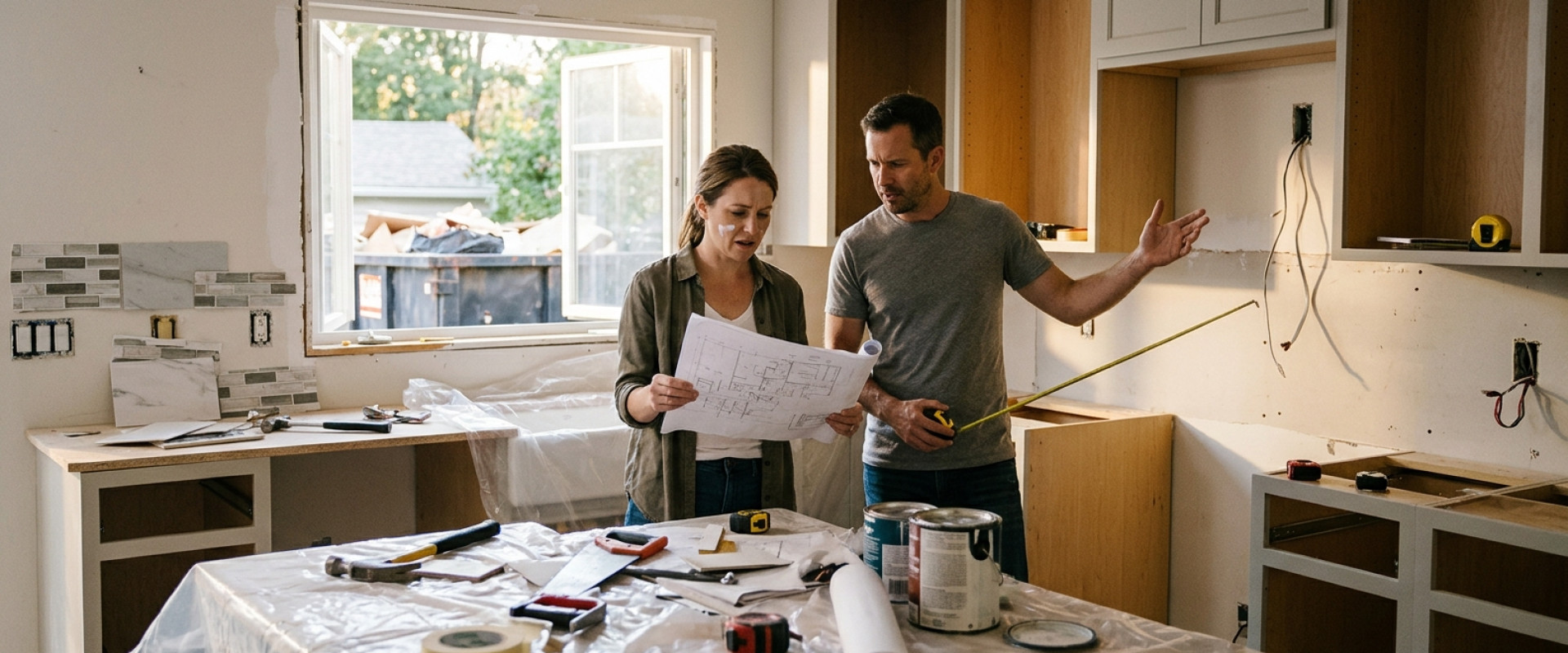
Home renovation projects are exciting. They promise a refreshed living space, improved functionality, and often a boost in property value. But the road from inspiration to finished room is paved with potential pitfalls. Whether you are a first-time renovator or someone who has tackled projects before, certain mistakes appear again and again across households everywhere. This article breaks down the five most common home renovation mistakes, explains why they happen, and shows you exactly how to avoid them.
Mistake #1: Failing to Set a Realistic Budget
One of the most universal renovation mistakes is underestimating costs. Homeowners frequently base their budget on best-case scenarios — the cheapest materials, no unforeseen complications, and labor finishing exactly on time. Real-world renovations rarely work that way.
According to surveys from home improvement platforms, more than 50% of renovation projects exceed their original budget. The gap between expectation and reality can be enormous, sometimes reaching tens of thousands of dollars on larger projects like kitchen or bathroom remodels.
Why This Happens
Many homeowners research material costs online but forget to factor in delivery fees, installation charges, permit costs, and waste disposal. Others focus only on visible surfaces and neglect what might be hidden behind walls — outdated plumbing, faulty wiring, or structural issues that only become apparent once work begins.
How to Avoid It
Start by getting at least three written quotes from licensed contractors before committing to any project. Add a contingency fund of at least 15–20% of your total estimated cost. This buffer is not pessimism — it is prudent financial planning.
- Get itemized quotes, not just totals, so you can compare line by line.
- Ask contractors about potential hidden costs specific to your home's age and construction type.
- Never spend your full contingency fund unless absolutely necessary.
Mistake #2: Skipping Permits and Ignoring Local Codes
Building permits may feel like unnecessary red tape, especially when a project seems straightforward. However, skipping permits is one of the most consequential mistakes a homeowner can make, with repercussions that can last for years.
Permits exist to ensure that work meets safety standards established to protect occupants and neighboring properties. When a project is completed without the required permits, the homeowner — not the contractor — is typically held legally responsible.
The Real Consequences
Unpermitted work can create major complications when you try to sell your home. Buyers' home inspectors often identify unpermitted additions or alterations, which can derail a sale entirely or force the homeowner to tear out and redo completed work at their own expense.
Insurance companies may also deny claims for damage related to unpermitted work. If a fire starts in an illegally modified electrical panel, your homeowner's insurance policy could refuse to cover the loss.
How to Avoid It
Before any project begins, contact your local building department or municipality's website to understand what permits are required. Common projects that typically require permits include structural changes, electrical upgrades, plumbing modifications, HVAC installations, and additions.
Mistake #3: Choosing the Wrong Contractor
Hiring the right professional is arguably the single most important decision in any renovation project. Unfortunately, many homeowners make this choice based on the lowest bid alone, which frequently leads to poor workmanship, missed deadlines, and financial disputes.
A contractor who bids significantly lower than others is not necessarily offering a bargain. They may be cutting corners on materials, planning to use unlicensed subcontractors, or simply underestimating the job and planning to request more money partway through.
What to Look For
A trustworthy contractor will carry proper licensing for your state or region, hold general liability insurance, and carry workers' compensation coverage. These protections shield you from financial liability if something goes wrong on your property during the project.
References and reviews are equally important. Ask every prospective contractor for a list of recent clients you can contact directly. Online reviews on platforms like Google, Houzz, or the Better Business Bureau can offer candid insights into a contractor's reliability and communication style.
The Contract Itself
Never begin any project without a detailed written contract. The document should specify the full scope of work, materials to be used (including brand and model where applicable), project timeline with milestones, payment schedule, and procedures for handling changes or unexpected issues.
- Verify contractor licenses through your state's official licensing board website.
- Ask for proof of insurance, not just a verbal confirmation.
- Visit a previous job site if possible to assess quality in person.
- Establish a clear communication plan — how often will you receive updates and through what channel?
Mistake #4: Prioritizing Aesthetics Over Function
Design magazines and social media platforms are filled with stunning renovation photos that prioritize visual appeal above everything else. While aesthetics matter, letting style drive every decision without considering how the space will actually be used is a mistake that homeowners consistently regret.
Open-plan kitchens look breathtaking in photos but can create noise and smell challenges for families with young children or those who cook frequently. Light-colored grout in bathrooms may look sleek initially but becomes a cleaning nightmare within months of daily use.
Thinking Through Daily Use
Before finalizing any design decision, ask yourself how the space will function during a typical day. Consider traffic flow, storage needs, lighting requirements at different times of day, and ease of cleaning. A beautiful room that is impractical to live in will cause frustration every single day.
Storage is one of the most underplanned elements in home renovations. Homeowners often sacrifice cabinet space for a minimalist look, only to find that everyday items have nowhere logical to live. Plan for more storage than you think you need — you will almost certainly use it.
Balancing Style and Practicality
The good news is that function and beauty are not mutually exclusive. Matte-finish faucets, for example, hide water spots better than polished chrome while still looking modern. Quartz countertops provide both aesthetic appeal and extraordinary durability. Porcelain tile can mimic the look of wood or marble while being far easier to maintain.
Mistake #5: Underestimating the Timeline
Nearly every homeowner who has completed a renovation will confirm the same truth: projects almost always take longer than expected. This is not simply a matter of contractor inefficiency — it reflects the genuinely complex nature of construction and the many variables that can interrupt progress.
Material delays have become increasingly common due to global supply chain disruptions. A single backordered item, like a specific tile or a custom cabinet component, can hold up an entire project for weeks. Structural surprises discovered mid-project require additional planning, purchasing, and labor before work can continue.
The Real Cost of Delays
Timeline overruns are more than just an inconvenience. When a kitchen renovation runs three weeks over schedule, that is three weeks of eating out or relying on a makeshift cooking setup, adding costs to your household budget. If you are renovating a primary bathroom, an extended timeline can affect your daily routine in deeply uncomfortable ways.
For homeowners who are renting temporary accommodation during major renovations, every additional week translates directly into additional living expenses. This is yet another reason why the contingency fund discussed in Mistake #1 is so critical.
How to Plan More Realistically
When a contractor gives you a projected completion date, add a minimum of 20–25% more time as your personal mental deadline. Order materials well in advance of when they are needed, ideally before work begins. Confirm lead times with suppliers for every custom or specialty item before including that item in your design plan.
- Establish milestone dates in your contract, not just a final completion date.
- Have your contractor identify long lead-time items at the very start of the project.
- Maintain regular check-ins to monitor progress against the agreed timeline.
- Understand that some delays are genuinely unavoidable — weather, material shortages, and inspection scheduling are all outside anyone's direct control.
Final Thoughts: Renovation Success Starts with Preparation
Home renovation mistakes are common precisely because they are easy to make. Excitement about the finished result can cloud judgment during the planning phase, when the most important decisions are actually being made. By taking a disciplined approach to budgeting, permitting, contractor selection, design planning, and timeline management, you significantly increase your chances of completing a project you will be proud of for years to come.
The homeowners who navigate renovations most successfully are not necessarily those with the largest budgets or the most experience. They are the ones who invest time and energy into thoughtful preparation before a single wall is opened or a single tile is laid. Slow down at the planning stage so that everything else can move forward with confidence.
Every renovation has its challenges, but walking into the process with clear eyes, realistic expectations, and the right team behind you makes all the difference between a stressful ordeal and a genuinely rewarding transformation of your home.