 (Image source: Gemini)
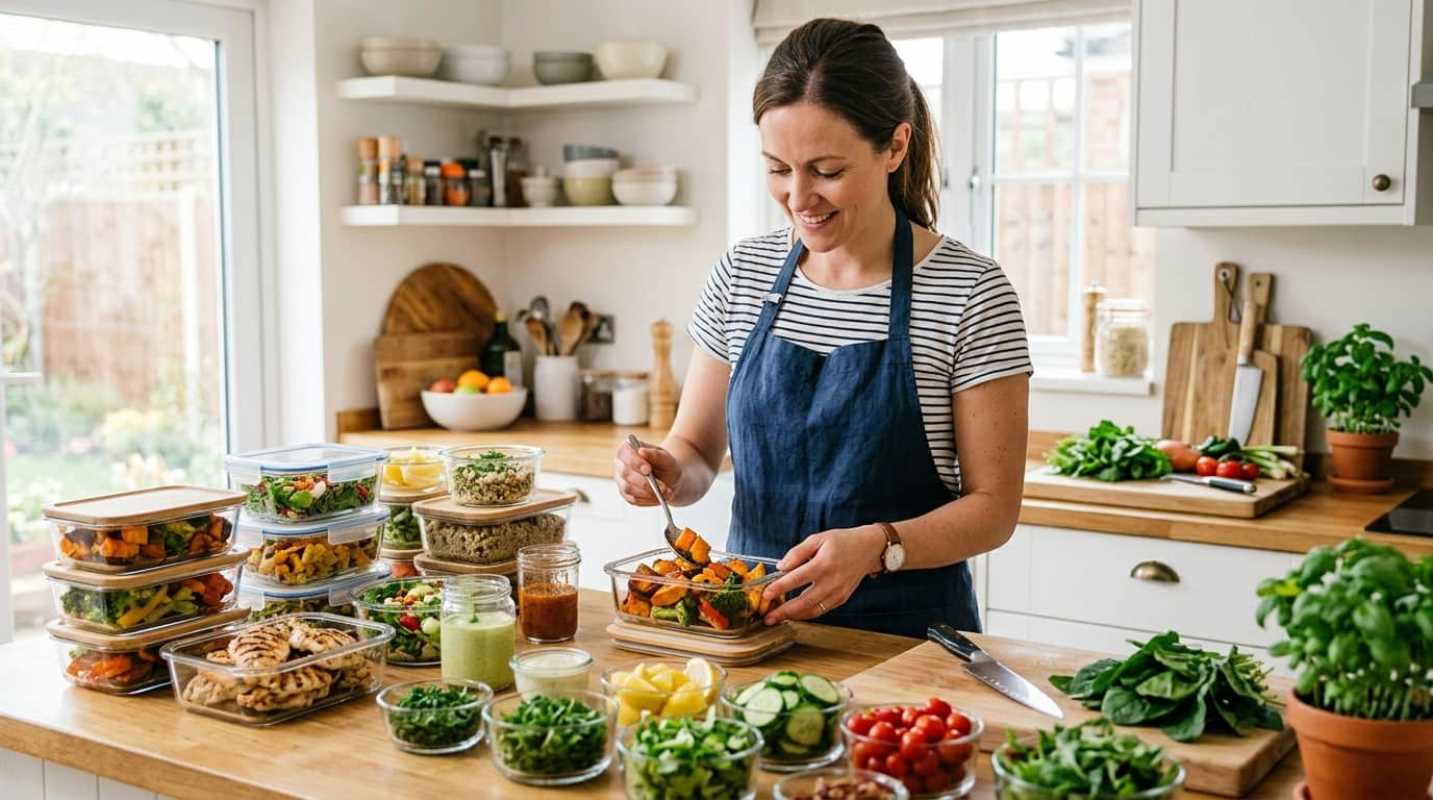
 The feeling of exhaustion at 6 PM is all too familiar. You just finished a long day of work, and now you have to figure out what to make for dinner. The thought of chopping vegetables, waiting for water to boil, and then cleaning up a pile of dishes is enough to make you reach for your phone to order takeout. Batch cooking is the ultimate solution to this daily struggle. It is the practice of preparing larger quantities of food at once to save time later in the week. This doesn’t mean you have to eat the same boring meal for five days straight. We are going to check out some techniques for creating versatile ingredients for quick, creative meals.
Cook Grains in Bulk
Grains like rice, quinoa, and farro are the foundation of many healthy and filling meals. The problem is that they can take anywhere from 20 to 50 minutes to cook on the stovetop. Cooking a large batch once a week frees you from this daily waiting game.
Pick one or two grains for the week. Cook at least four cups of your chosen grain according to the package directions. For example, you can cook two cups of quinoa and two cups of brown rice. Let them cool completely before storing them in airtight containers in the refrigerator. They will stay fresh for about four to five days.
How to Use It
Having cooked grains ready to go opens up a world of quick meal possibilities. You can create a grain bowl by topping a scoop of quinoa with some pre-chopped veggies, a protein, and a dressing. You can add a scoop of brown rice to a can of soup to make it more substantial. You can even make quick fried rice by sautéing the cold rice with some vegetables, soy sauce, and a scrambled egg.
Simple Stovetop Quinoa
Ingredients:
- 1 cup quinoa
- 2 cups water or broth
- ¼ tsp salt (optional)
Instructions:
- Rinse the quinoa under cold water in a fine mesh strainer for about 30 seconds.
- In a saucepan, combine quinoa, water (or broth), and salt.
- Bring to a boil.
- Reduce heat to low, cover, and simmer for 15 minutes.
- Remove from heat and let sit (covered) for 5 minutes.
- Fluff with a fork and serve.
Makes about 3 cups cooked quinoa.
Roast a Sheet Pan of Vegetables
Roasted vegetables are delicious, versatile, and packed with nutrients. Roasting brings out their natural sweetness and gives them a wonderful texture. Preparing a big batch means you always have a healthy side dish or a mix-in for other meals.
Preheat your oven to 400°F (200°C). Chop up a variety of sturdy vegetables. Good options include broccoli, cauliflower, bell peppers, onions, carrots, and sweet potatoes. Toss them on a large baking sheet with a generous drizzle of olive oil, salt, pepper, and your favorite dried herbs like rosemary or oregano. Roast for 25-35 minutes, or until they are tender and slightly caramelized. Let them cool and store them in the fridge.
How to Use It
You can serve the roasted vegetables as a simple side dish for any protein. You can toss them with your pre-cooked quinoa for a quick and flavorful grain bowl. They are also fantastic in omelets or frittatas. Another great option is to blend them with some broth to create a quick and creamy soup.
Easy Roasted Vegetables
Ingredients:
- 2 cups broccoli florets
- 2 carrots, sliced
- 1 bell pepper, chopped
- 1 zucchini, sliced
- 2–3 tbsp olive oil
- Salt and pepper to taste
- Optional: garlic powder or Italian seasoning
Instructions:
- Preheat oven to 425°F.
- Toss vegetables with olive oil, salt, pepper, and any optional seasonings.
- Spread in a single layer on a baking sheet.
- Roast for 20–25 minutes, stirring halfway through, until tender and slightly browned.
Prepare Your Proteins
Protein is the key to feeling full and satisfied after a meal. Cooking your proteins ahead of time is one of the biggest time-savers in batch cooking.
Choose a few different proteins for variety. You could bake a few chicken breasts seasoned with salt and pepper. At the same time, you can hard-boil a dozen eggs. You can also brown a pound of ground turkey or beef on the stovetop. For a plant-based option, cook a large batch of lentils or chickpeas. Once cooked, you can store the chicken whole or shred it for easier use.
How to Use It
The pre-cooked shredded chicken can be thrown into wraps, salads, or pasta dishes. The ground meat is ready to be added to tomato sauce for a quick bolognese or used as a topping for tacos. Hard-boiled eggs make a perfect high-protein snack or can be chopped up for a quick egg salad sandwich.
Make "Component" Meals, Not "Finished" Meals
This is the most important concept in modern batch cooking. Instead of making five containers of chicken and broccoli, you prepare individual ingredients (components). This gives you the flexibility to assemble different meals throughout the week, which prevents flavor fatigue.
Think of your weekly prep in categories: grains, vegetables, and proteins. Cook one or two items from each category. Your components for the week might be:
- Grains: Quinoa
- Vegetables: Roasted broccoli and bell peppers
- Proteins: Shredded chicken and black beans
How to Use It
With these simple components, you can assemble several different meals.
- Monday: A grain bowl with quinoa, chicken, roasted veggies, and a drizzle of pesto.
- Tuesday: Chicken tacos using the shredded chicken, black beans, and some fresh salsa.
- Wednesday: A quick quesadilla with black beans and cheese, served with a side of roasted vegetables.
- Thursday: A hearty salad topped with quinoa, chicken, and the remaining veggies.
This approach gives you variety without requiring you to cook from scratch every night.
Utilize a Slow Cooker or Pressure Cooker
Modern appliances can be your best friend for batch cooking. A slow cooker, like a Crock-Pot, allows you to cook large batches of food with minimal hands-on effort. A pressure cooker, like an Instant Pot, can cook things like dried beans or tough cuts of meat in a fraction of the time.
You can use a slow cooker to make a big batch of pulled pork or chicken. Just place the meat in the cooker with some broth and seasonings and let it cook on low for 6-8 hours. The meat will be incredibly tender and easy to shred. An Instant Pot can cook a huge batch of dried beans in under an hour, saving you money compared to buying canned beans.
How to Use It
The pulled pork can be used for sandwiches, tacos, or on top of baked potatoes. The beans can be used in chili, salads, or burrito bowls all week long. These appliances do the hard work for you, freeing up your time for other tasks.
Slow Cooker Quinoa & Black Bean Chili
Ingredients:
- 2 cups cooked quinoa
- 1 (15 oz) can black beans, drained and rinsed
- 1 (15 oz) can diced tomatoes
- 1 cup corn (frozen or canned)
- 1 small onion, diced
- 1 bell pepper, chopped
- 2 cups vegetable broth
- 1 tbsp chili powder
- 1 tsp cumin
- Salt and pepper to taste
Instructions:
- Add everything except the cooked quinoa to the slow cooker.
- Cook on low for 4–6 hours (or high for 2–3 hours).
- Stir in the cooked quinoa during the last 20–30 minutes to heat through.
- Adjust seasoning and serve.
Optional toppings: shredded cheese, avocado, sour cream, or fresh cilantro.
Prep Your Sauces and Dressings
A good sauce or dressing can tie a meal together. Store-bought versions are often high in sugar and preservatives. Making your own is healthier and surprisingly easy.
You can whip up a simple vinaigrette in a jar by shaking together olive oil, vinegar, mustard, salt, and pepper. You can also make a versatile peanut sauce by blending peanut butter, soy sauce, lime juice, and a little water. Store them in airtight jars in the refrigerator.
How to Use It
The vinaigrette can be used on salads or drizzled over roasted vegetables. The peanut sauce is perfect for a quick noodle dish or as a dip for chicken skewers. Having these ready to go adds instant flavor to your pre-cooked components.
Freeze for the Future
Freezing is a powerful batch cooking tool. It allows you to preserve food for weeks or even months, saving you from having to cook the same things over and over.
Soups, stews, chilis, and sauces freeze exceptionally well. Make a double batch of your favorite chili. Eat half for dinner this week and freeze the other half in a freezer-safe container. You can also freeze individual ingredients. For example, you can spread shredded chicken on a baking sheet, freeze it, and then transfer it to a freezer bag. This prevents it from clumping together.
How to Use It
On a night when you have zero time or energy, you can pull that container of chili out of the freezer, reheat it, and have a homemade meal in minutes. It is the ultimate gift from your past self to your future self.