 (Image source: Gemini)
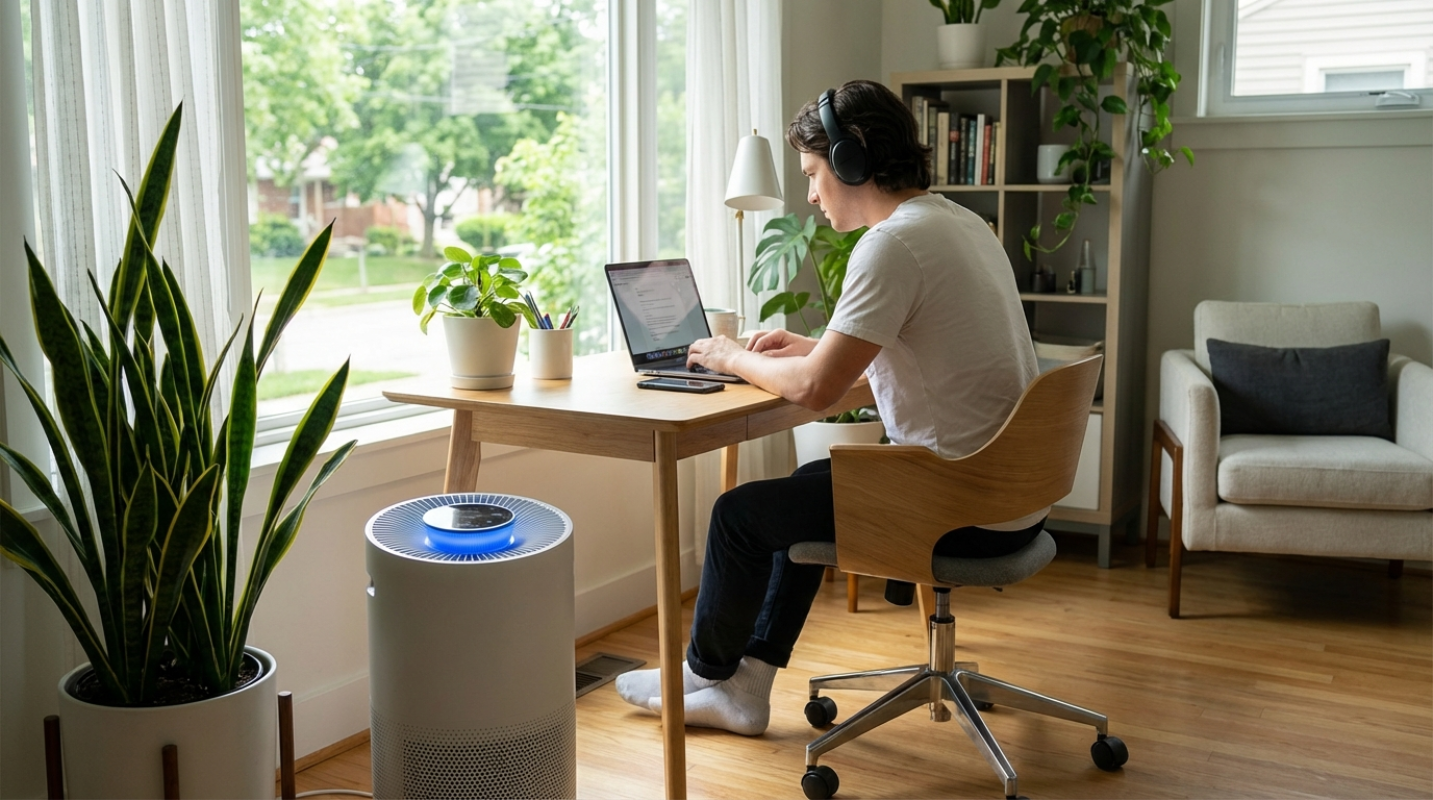
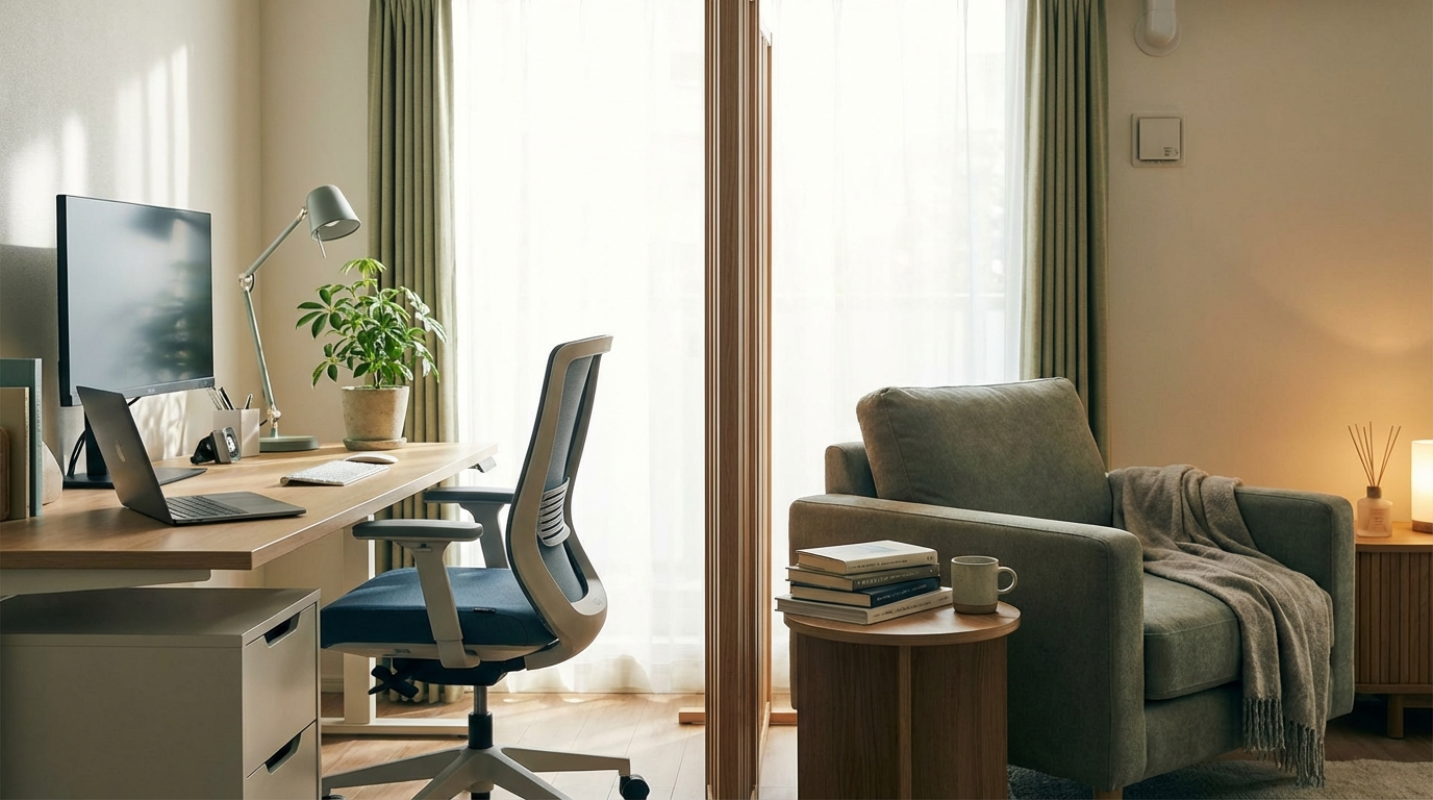
 Think about your living room for a second. Is it a cinema, a gym, or a boardroom? If you’re like most people, understanding the hybrid world, it’s probably all three at once. We’ve spent years trying to make home-working "work," but we’ve accidentally turned our sanctuaries into offices that never close. It’s a recipe for that specific kind of modern exhaustion where you’re never fully productive but never fully relaxed. The fix isn't necessarily moving to a bigger house with more doors. You need to curate your environment so your brain knows exactly when it’s time to grind and when it’s time to ghost your inbox. By choosing the right products, you can create "zones" that shift your mental state as effectively as a physical commute once did by using light, sound, and furniture to build invisible walls.
Products for Peak Productivity
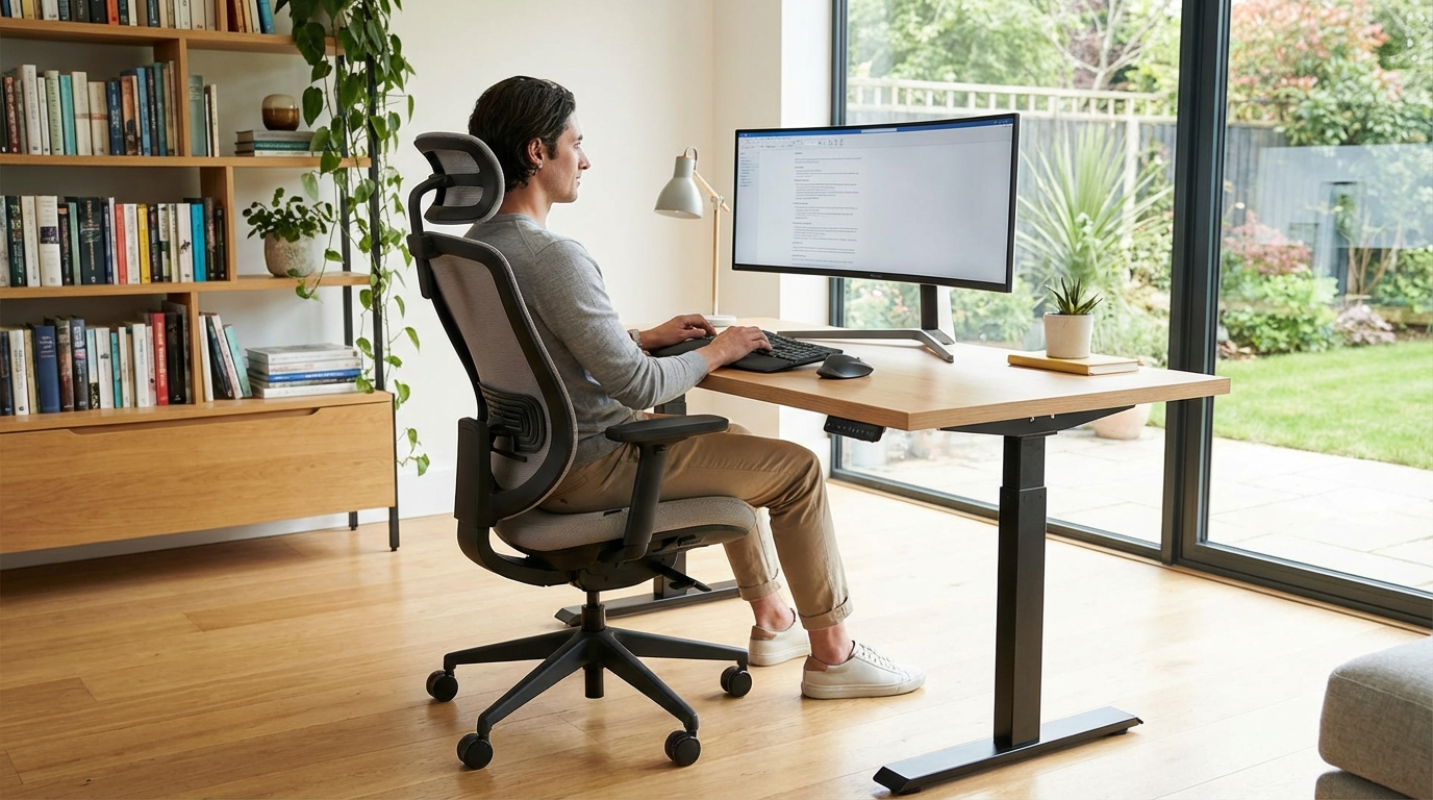
If you're going to spend eight hours a day in one spot, your body shouldn't pay the price. Ergonomics has moved past "adjustable" and into "intuitive." You shouldn't have to fiddle with ten different knobs to feel comfortable.
Take the Humanscale Freedom chair, like. It’s a favorite this year because it uses a weight-sensitive recline mechanism. It literally adapts to your body as you move, meaning you don't have to think about your posture. Your chair does the thinking for you. If you’re more of a "stand-up" worker, the Autonomous Desk Levitate has changed the game with hands-free height adjustment. You just wave your hand, and it moves. It’s the digital equivalent of having a personal assistant for your furniture.
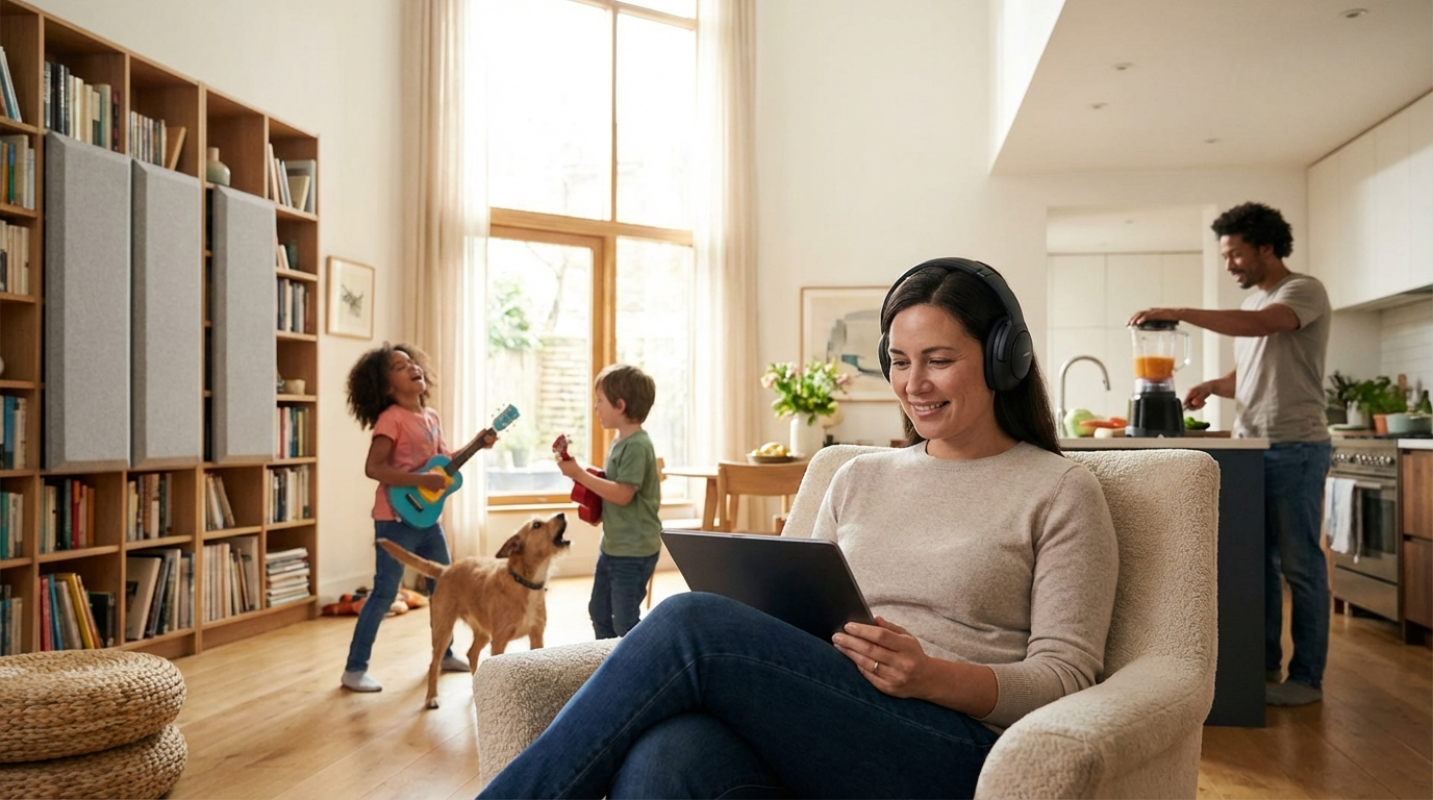
Sound is the biggest productivity killer in a shared home. Instead of those ugly grey foam squares, look at natural wood slat panels. Brands like MasterWallPro use real oak or walnut veneers with felt backing. They look like high-end architectural features, but they’re actually busy soaking up the echoes of your neighbor’s leaf blower. If those aren't enough, a pair of high-quality noise-canceling headphones is your best friend. They create a "portable zone" of silence that follows you anywhere.
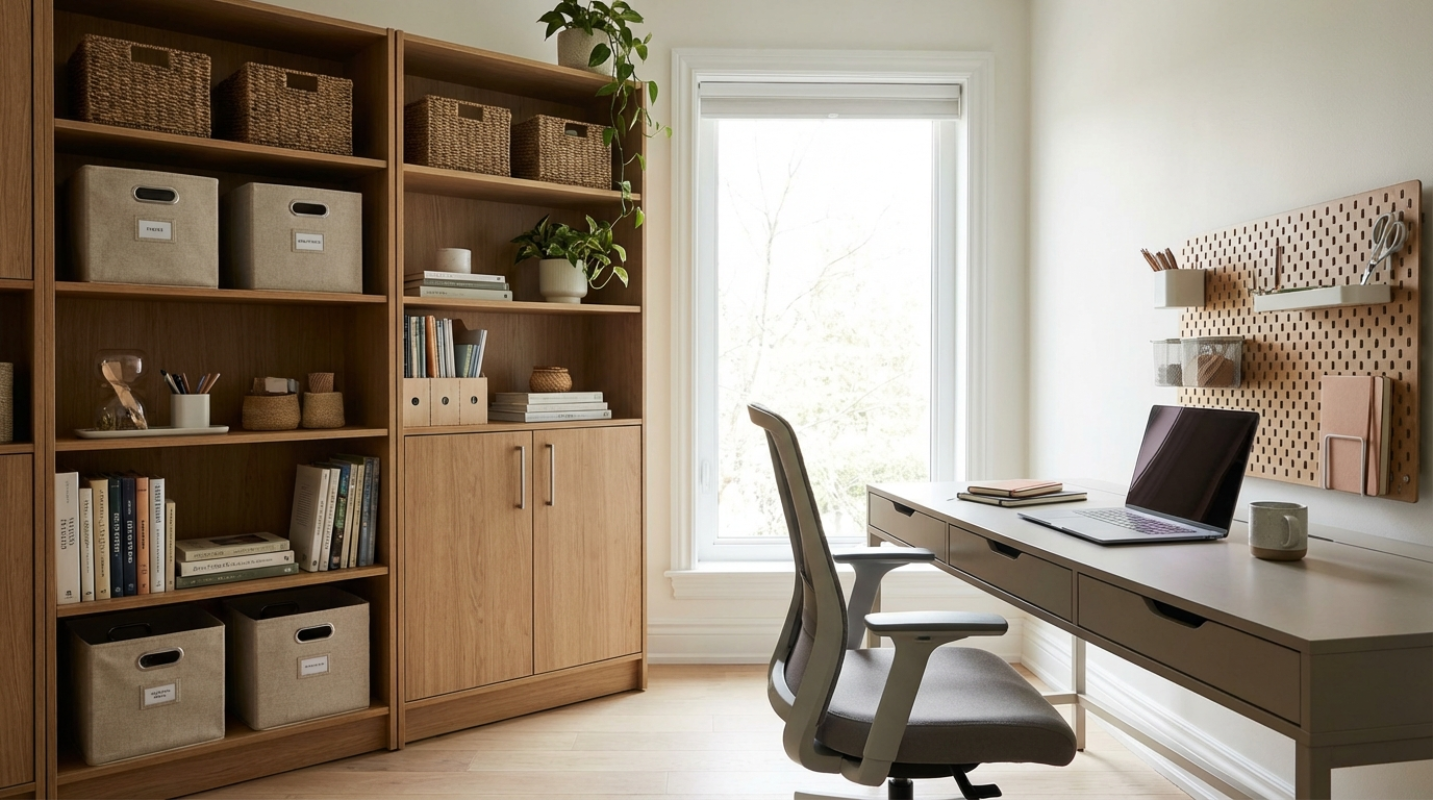
Visual clutter is the final boss of the work zone. If your desk is a mess of cables and random papers, your brain stays in a state of low-level anxiety. Vertical storage and monitor arms are the secret here. By lifting your screen and your storage off the desk surface, you create a sense of "air" that helps you breathe and think. Task lighting is also key. You want a dedicated light that hits your workspace but stays off your walls. It creates a literal spotlight for your work, telling your eyes that everything outside that circle doesn't exist right now.
Products for True Disconnection
The hardest part of working from home is the "5 PM transition." How do you stop being a project manager and start being a human? You need a ritual, and products can help automate that shift.
One of the smartest moves you can make is using smart plugs for your entire work setup. When the clock hits quitting time, you can have your monitors, printer, and desk lamp shut off entirely. It’s a powerful psychological "click" that signals the end of the day. Once the screens are dark, it’s time to change the sensory profile of the room.
Lighting is your most powerful tool for relaxation. We’ve known for a while that natural-mimicking light can decrease eyestrain by over 50 percent, but it also dictates your mood.¹ For your relaxation zone, you want warm, amber tones. The Nanoleaf Elements hexagons are a great choice because they look like wood wall art when they’re off. When you turn them on, they glow with a flickering firelight effect that instantly lowers your heart rate.
Then, lean into the "soft" stuff. High-quality textiles like weighted blankets or chunky textured throws provide tactile feedback that you’re safe and off the clock. If you have the space, a dedicated reading chair that faces away from your desk is a must. It’s a physical boundary. When you sit in that chair, you aren't allowed to hold a phone. You hold a book or a cup of tea.
Don't forget the "scent-scape" either. An aromatherapy diffuser using cedarwood or lavender can act as a Pavlovian trigger. After a week of diffusing the same scent only when you’re relaxing, your brain will start to associate that smell with safety and rest. It’s a low-tech way to hack your nervous system into calming down.
Physical and Visual Barriers
Sometimes, you just need a wall. If you’re working in an open-plan space, you need a way to "hide" the office when the day is done. Portable and modular dividers are the heroes of the hybrid home.
- Modular Walls: Products like Loftwall "Rooms" allow you to build a private focus pod in minutes without calling a contractor. They use acoustic materials to cut down on noise and give you a sense of total privacy.
- Acoustic Curtains: If you're working near a window or a doorway, Moondream 3-in-1 curtains can reduce noise by up to 7 decibels.² They’re heavy, look great, and provide a literal "curtain call" for your workday.
- Rolling Carts: If you don't have a dedicated desk, use a modular rolling cart for your laptop, notebooks, and chargers. At 5 PM, you wheel the cart into a closet. If you can’t see the work, you’re less likely to think about it.
- Open Shelving: Systems like the Vitsoe 606 allow you to create a "floating" wall of books and plants. It divides the room without blocking the light, keeping the space feeling large but clearly segmented.
Color psychology plays a huge role here, too. You don't have to paint your whole house, but a large area rug in the relaxation zone can define the space just as well as a wall. Use cool, crisp colors for the work area to keep you alert, and deep, warm tones for the "chill" zone. It’s a visual map for your brain to follow.
Integrating Your Zones for a Healthier Home
The best ergonomic chair in the world won't help you if you’re still taking "one last call" from your bed. Treat the transition between your work zone and your relaxation zone as a necessary ritual. Walk outside for five minutes, change your shirt, or just flip the switch on your smart lighting.
As we look toward 2027, expect to see even more automation in this space. We’re moving toward "automated zone switching" where your entire home's environment - the temperature, the lighting, the background music, and even the transparency of smart-glass dividers - changes based on your calendar. Your house will literally transform around you to support whatever you’re doing.
Until then, take control of your space. Start with one small change, like a better light or a simple room divider. You'll be surprised how much more "at home" you feel when your office isn't staring at you from across the room while you’re trying to eat dinner. Your home should be your sanctuary first and your workplace second. Make sure your products reflect that priority.