 (Image source: Gemini)
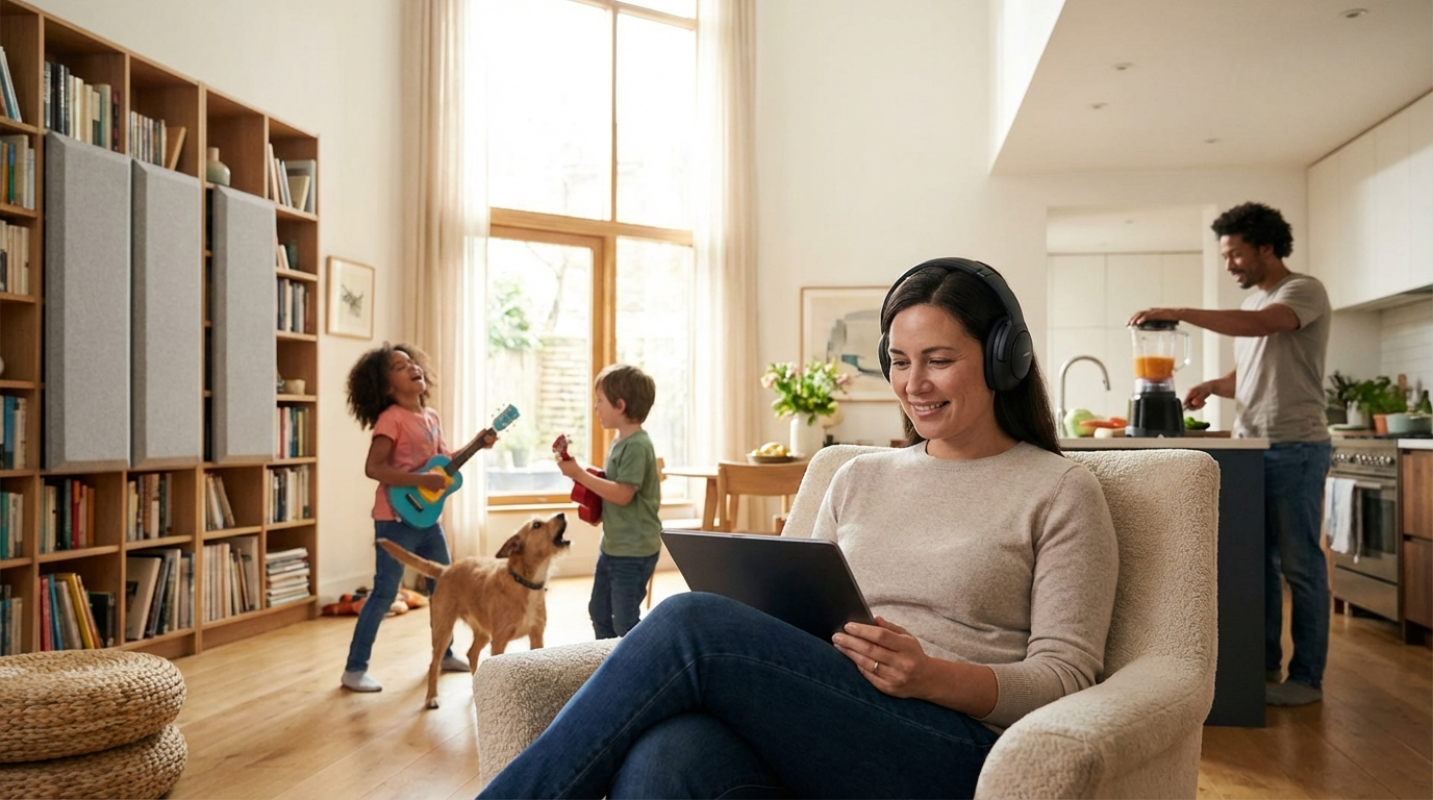
 We've all been there. You're finally settling into a deep-focus task or a high-stakes video call when the soundtrack of a modern, busy home kicks in. It's a chaotic symphony of a humming dishwasher, a sibling rivalry in the hallway, and perhaps a neighbor's lawnmower for good measure. Sound familiar? Our homes have become the ultimate multi-tool. They're offices, schools, gyms, and sanctuaries all rolled into one. But when these worlds collide, the acoustic fallout is real.
Chronic noise is a stealthy thief that steals your focus and spikes your stress levels. It's why you feel drained after a day of working in an open-plan living room, even if you didn't do much physical labor. Managing this isn't about turning your home into a library. It's about a mix of smart awareness, strategic design, and clear agreements with the people you live with.
Auditing Your Acoustic Environment
Before you start buying soundproof curtains, you need to know exactly what you're fighting. Not all noise is created equal. Acoustic pros generally split sounds into two camps. First, there's airborne noise. This is the stuff that travels through the air, like voices, the TV, or that high-pitched whine from your old refrigerator. Then, there's impact noise. Think of footsteps on hardwood, a dropped toy, or the vibration of the washing machine.
So what does this actually mean for your daily life? Recent data shows that for every unit increase in a home's noise pollution index, there's a 0.41-point reduction in adult cognitive scores. That's a fancy way of saying noise literally makes it harder to think. For kids, the stakes are even higher. Research from late 2024 linked higher residential noise to a 13 percent increase in communication delays for preschoolers.
To get a handle on this, try tracking your home's "peak noise" times for a few days. Is it the 8:00 AM school-run scramble? Or the 5:00 PM "everyone is home and hungry" hour? Identifying these hot spots helps you realize that you don't need to fix the whole house. You need to fix specific moments and specific rooms.
Architectural and Furnishing Solutions
If your home sounds echoey, you're likely experiencing the "cocktail party effect," where hard surfaces like glass and tile bounce sound around the room. To fix this, aim for at least 60% of your room’s surfaces to include sound-absorbing materials.
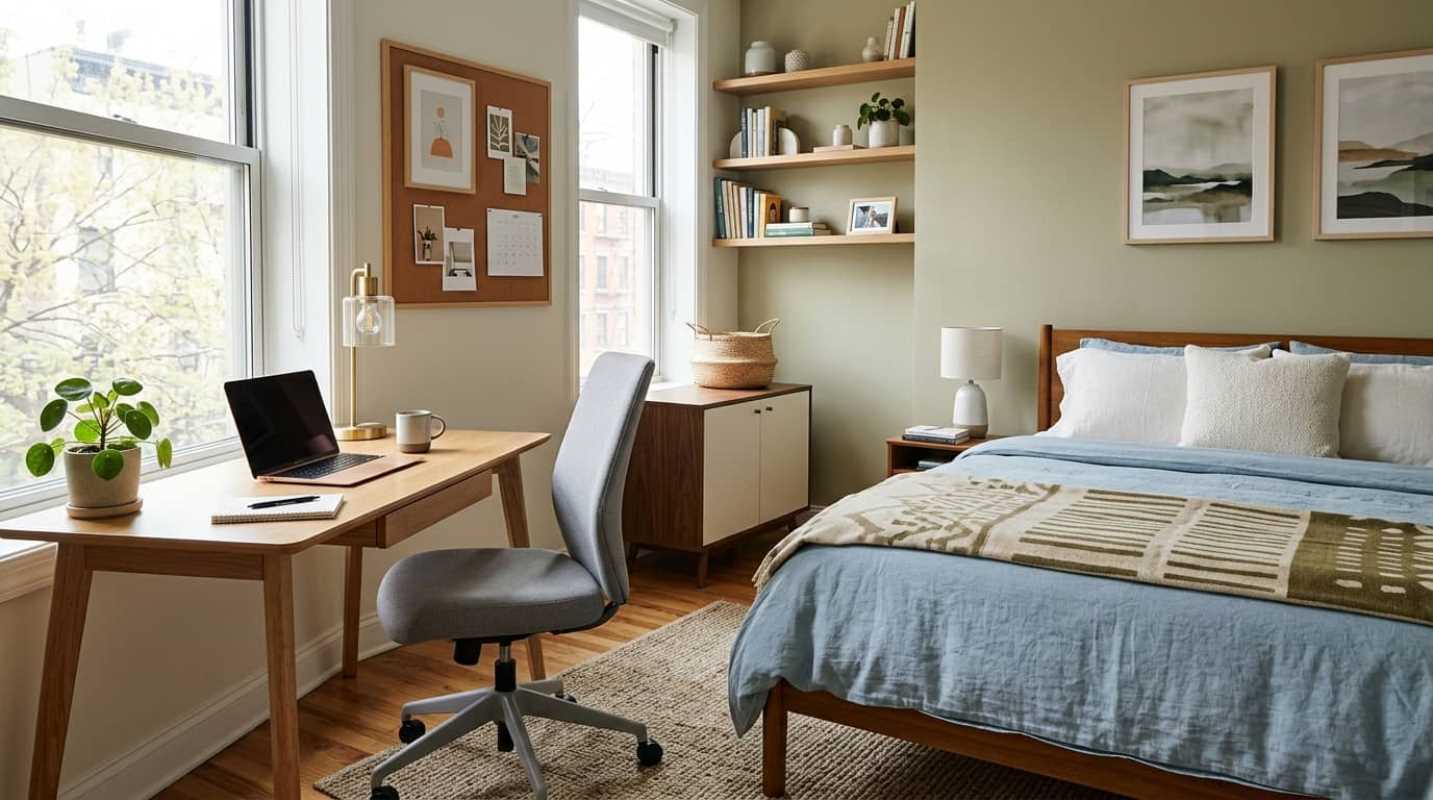
- Use Rugs & Soft Decor: A high-pile rug with felt underlay on the floor breaks up vertical sound waves, greatly reducing noise.
- Choose Textured Wall Art: Swap glass-framed art for canvas prints or tapestries that absorb rather than reflect sound.
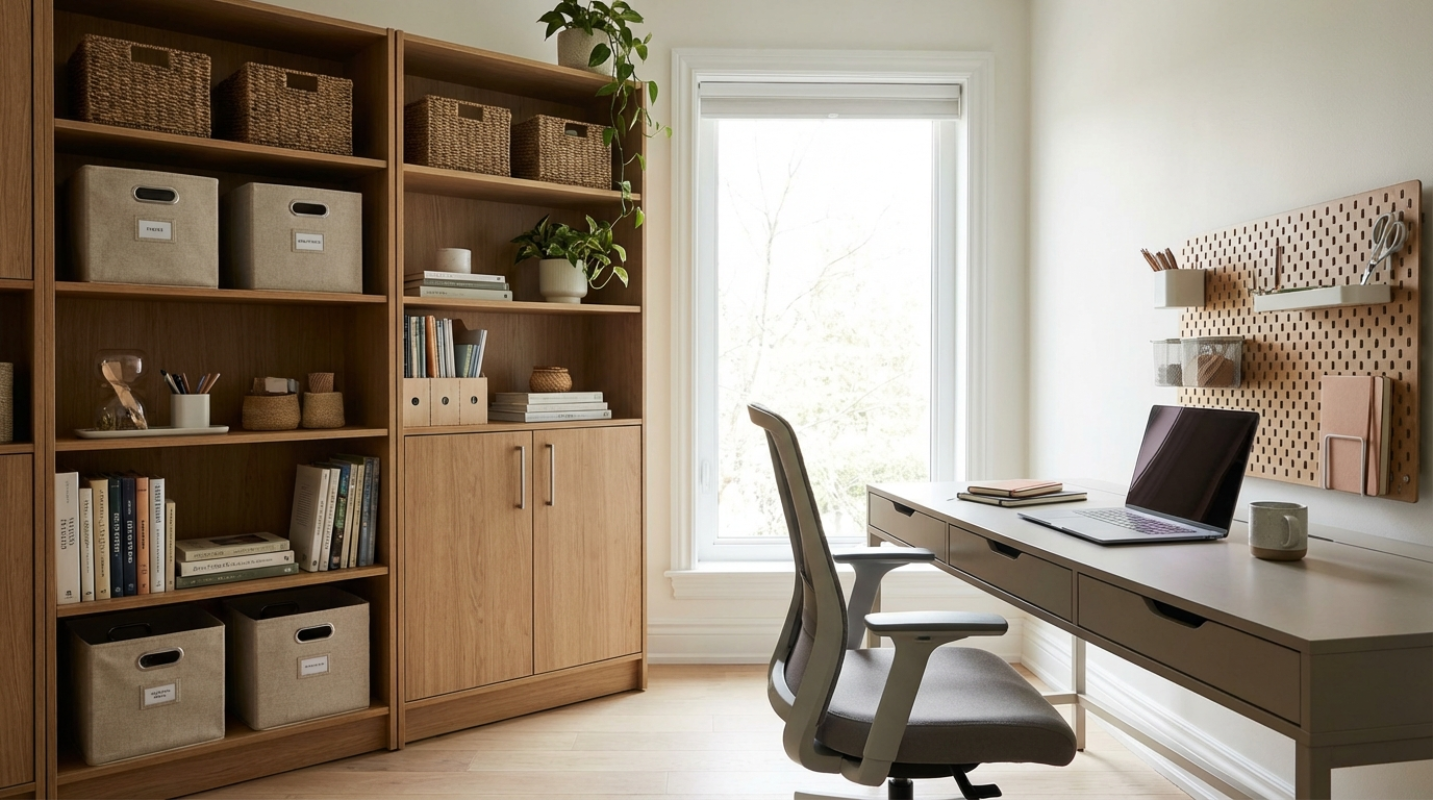
Tall bookshelves filled with books, deep sectional sofas, and heavy linen drapes all act as practical sound barriers in open spaces.
To go further, try trendy acoustic slat wood panels with felt backing for style and sound control, or use products like "Green Glue" in DIY projects to stop noise transfer through walls.
Technology and Traffic Control
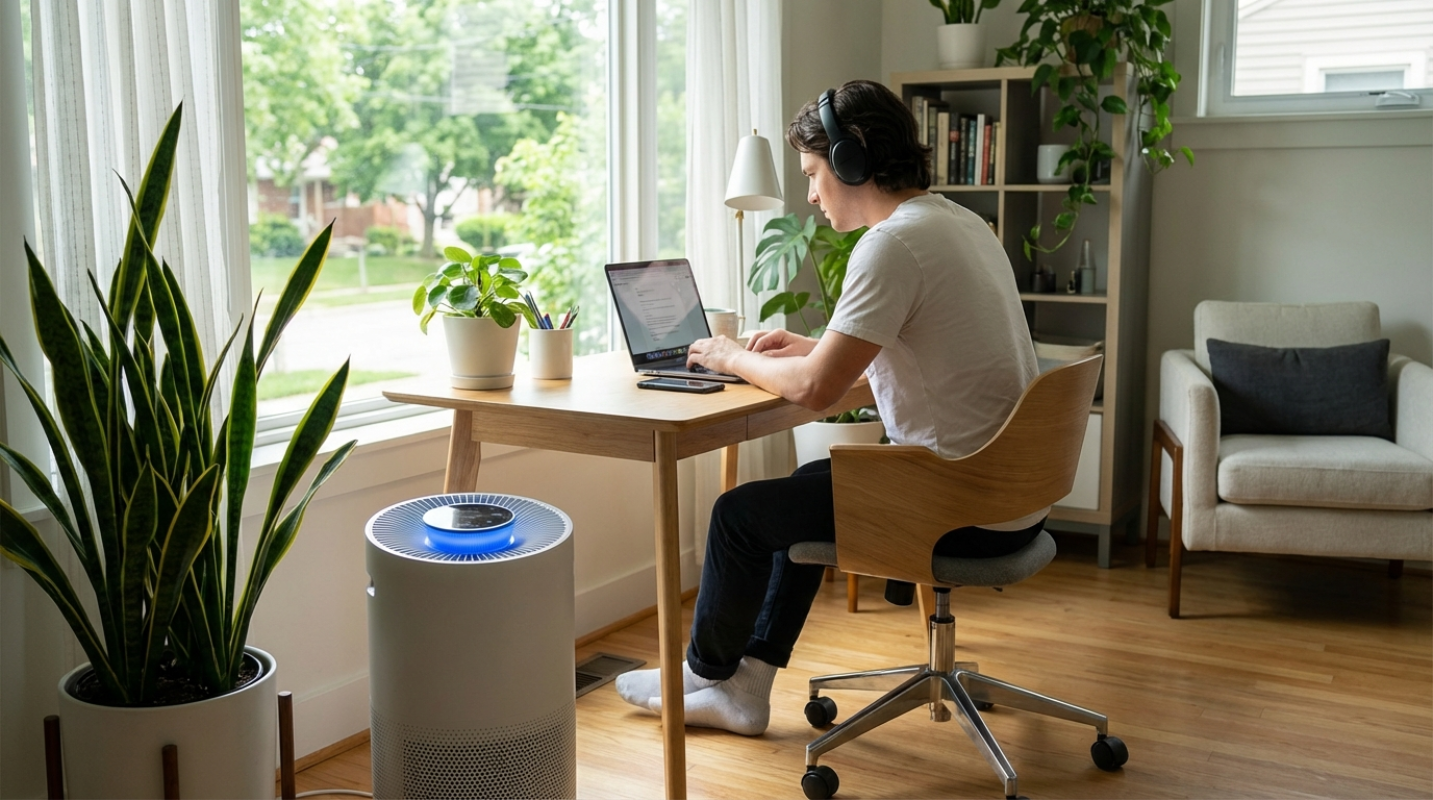
Sometimes, you can't stop the noise at the source. You can't exactly tell the HVAC system to stop humming during a heatwave. This is where the "White Noise Approach" comes in. It sounds counterintuitive to add more noise to a noisy house, but steady, low-frequency sounds from a fan or a dedicated sound machine can mask disruptive, sudden noises. It smooths out the "acoustic space," so your brain doesn't jump every time a door slams.
We also need to talk about the "23-minute" rule. Acoustic engineers have found that after a significant noise distraction, it takes your brain an average of 23 minutes and 15 seconds to return to a state of deep focus. If you're getting interrupted every fifteen minutes, you're never actually reaching your full potential. This is why high-quality noise-canceling headphones are a cognitive necessity for anyone working from home.
Managing appliances is another easy win. When you're shopping for a new dishwasher or vacuum, look at the decibel rating. A 40dB dishwasher is virtually silent, while a 55dB model will feel like a jet engine in a quiet kitchen. If your current appliances are loud, try scheduling them. Run the dishwasher after everyone goes to bed or while you're out for a walk. It's simple traffic control for your ears.
Establishing Household Communication Protocols
Even with great acoustic panels, household noise, like a teen’s drum practice, can derail your focus. That’s why clear, agreed-upon quiet hours are crucial. It’s not strictness, but fairness: everyone’s time for play, work, and rest is respected.
- Schedule "Loud Blocks": Set clear times for noise, like after-school music or gaming, making it easier for everyone to honor quiet hours.
- Quiet vs. Loud Zones: Mark certain rooms for noisy activities (playroom, basement) and designate others as quiet spaces (office, reading nook).
- Lead by Example: Respect quiet-hour rules yourself to encourage cooperation from the whole household.
Visual signals like door signs or color-coded lights (red for "do not disturb," green for "okay to enter") make quiet hours easy for kids to follow and greatly reduce unintentional interruptions. Turn it into a game using cues like "library voice" and "park voice" to boost their awareness. Emphasize that quiet time benefits everyone, helping the household run smoothly without making anyone feel restricted.
Creating a Harmonious Home Ecosystem
At the end of the day, managing noise is about reclaiming your mental space. It's a combination of three core pillars: awareness of what's causing the ruckus, absorption through smart design, and agreement through communication. You don't have to do everything at once. In fact, trying to "soundproof" your entire life in one weekend is a recipe for burnout.
Small, consistent changes lead to the biggest improvements in your quality of life. Maybe this week you can just buy a thick rug for the hallway to dampen those morning footsteps. Or maybe you finally have that conversation with your partner about setting a "quiet zone" in the back bedroom. Whatever it is, take one step. Your brain (and your family) will thank you for it.
This article on TheDigitalDreamers is for informational and educational purposes only. Readers are encouraged to consult qualified professionals and verify details with official sources before making decisions. This content does not constitute professional advice.