 (Image via
Getting kids involved in the kitchen is one of the best ways to teach them healthy eating habits and life skills. Cooking together transforms a chore into a fun activity where creativity shines, and picky eaters become more willing to try new foods. Parents often worry that bringing children into the kitchen will create a mess or take too much time, but the right recipes make the process smooth and enjoyable. We are going to explore a variety of simple, hands-on snacks and lunches designed specifically for little helpers. These ideas are quick to assemble, safe for various ages, and delicious enough that the whole family will want to eat them. You will find that mealtime becomes a proud moment when your child says, "I made this!"
The "Build-Your-Own" Pizza Bagels
Pizza is a universal favorite, and making it on a bagel is much faster than dealing with raw dough. This lunch empowers kids to choose their own toppings, giving them a sense of ownership over their meal.
Ingredients
- Plain or whole wheat bagels (sliced in half)
- Jar of pizza sauce or marinara
- Shredded mozzarella cheese
- Toppings: Pepperoni, bell peppers, olives, mushrooms, ham
Younger children can use a spoon to spread the sauce onto the bagel halves. It is messy work, but it helps develop hand-eye coordination. Older kids can be in charge of the cheese station, sprinkling a generous layer over the sauce. The best part is the decoration phase. Encourage them to make faces or patterns with the toppings. A slice of pepperoni becomes a mouth, and olives become eyes. Place the bagels on a baking sheet and bake at 375°F (190°C) for about 10 minutes until the cheese is bubbly.
Fruit Kabobs with Yogurt Dip
Making food look fun is half the battle when feeding kids. Fruit kabobs turn a standard fruit salad into a colorful, edible wand. This snack is perfect for practicing patterns and colors.
Ingredients
- Strawberries (hulled)
- Grapes (green and red)
- Melon chunks (cantaloupe or honeydew)
- Blueberries
- Wooden skewers (blunted ends for safety) or plastic straws
- Vanilla or strawberry yogurt for dipping
Safety is key here, so use blunted skewers or even sturdy plastic straws for younger chefs. Kids can thread the fruit onto the skewers in specific patterns, like "strawberry, grape, melon, repeat." This reinforces math skills like sequencing. They can also mix the dip by stirring a little honey or sprinkles into the yogurt. The act of sliding the fruit onto the stick is great for fine motor skills. Serve the colorful skewers on a platter with the yogurt bowl in the center for a refreshing afternoon snack.
Turkey and Cheese Pinwheels
Sandwiches can get boring day after day. Pinwheels take the same ingredients and roll them into bite-sized spirals that are fun to eat and easy to pack in a lunchbox.
Ingredients
- Large flour tortillas (burrito size)
- Cream cheese or hummus
- Turkey slices
- Cheese slices (cheddar or provolone)
- Spinach leaves or shredded lettuce
Lay the tortilla flat on the counter. Your child can use a butter knife or the back of a spoon to spread the cream cheese or hummus all over the surface. This acts as the "glue" that holds the roll together. Next, they layer on the turkey, cheese, and greens. The rolling part requires a bit of teamwork. Help them start the roll tightly at one edge, and let them push it forward until it looks like a log. An adult should handle the slicing and cutting the log into one-inch rounds. Kids can then arrange the pinwheels on a plate to show off the cool spiral design inside.
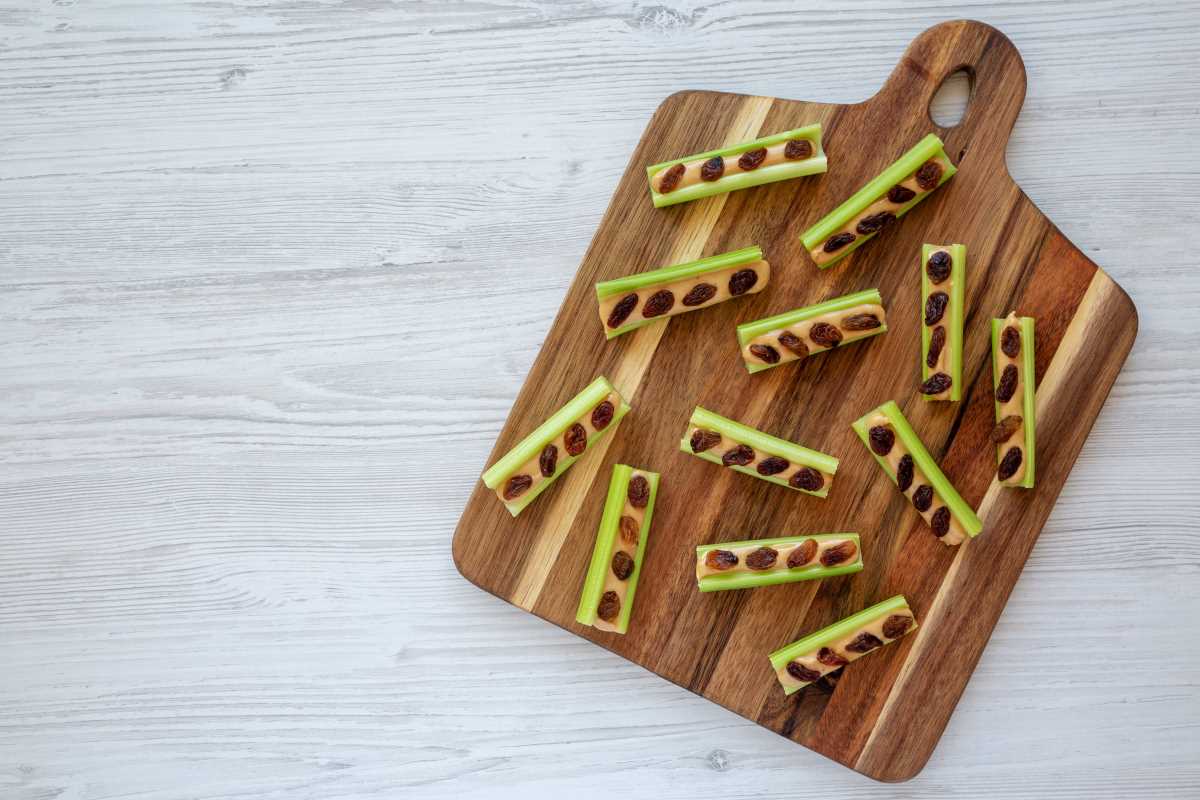
Ants on a Log
This classic snack has been around for decades because it works. It combines protein, healthy fats, and a vegetable crunch in a package that looks like a little nature scene.
Ingredients
- Celery stalks (washed and cut into 3-inch pieces)
- Peanut butter (or sunflower butter/cream cheese for allergy safety)
- Raisins or dried cranberries
This is a perfect recipe for toddlers and preschoolers. Give them a plastic knife or a small spatula to spread the peanut butter into the hollow part of the celery stalk. It doesn't have to be perfect. A little mess is part of the fun. Once the "log" is prepared, they can place the "ants" (raisins) in a line on top. You can get creative and use chocolate chips for a dessert version or peas for a savory twist. Counting the ants as they place them adds a quick educational moment to snack time.
Mason Jar Salads
Salads might not be the first thing a child asks for, but building one in a jar makes it exciting. Seeing the colorful layers stack up encourages them to eat their veggies.
Ingredients
- Favorite salad dressing
- Hard vegetables: Carrots, cucumbers, bell peppers
- Proteins: Diced ham, hard-boiled eggs, chickpeas
- Softer ingredients: Tomatoes, corn, avocado
- Greens: Lettuce or spinach
Set up an assembly line with bowls of chopped ingredients. Explain the rule of layering: dressing goes on the bottom, hard veggies next, and leafy greens on top so they don't get soggy. Let the kids spoon ingredients into their own wide-mouth jars. They get to decide how much of each item they want (within reason). Once the jar is full, screw on the lid tightly. When it is time to eat, they can have the fun job of shaking the jar like crazy to mix the dressing before dumping it into a bowl.
English Muffin Tuna Melts
Tuna salad is a healthy, budget-friendly lunch option. Turning it into a warm, open-faced melt makes it much more appealing to children than a cold, soggy sandwich.
Ingredients
- Canned tuna (drained)
- Mayonnaise or Greek yogurt
- Diced celery or pickles
- English muffins (split in half)
- Sliced cheese
Give your child a mixing bowl and a fork. Let them dump the drained tuna into the bowl and mash it up. They can spoon in the mayonnaise and mix everything together. You can pre-chop the celery, but they can stir it in. Spooning the mixture onto the English muffin halves is a great task for little hands. Have them place a slice of cheese on top of each mound of tuna. An adult handles the oven or toaster oven, broiling them until the cheese is melted and golden.
Yogurt Parfait Cups
Store-bought parfaits are expensive and often loaded with added sugar. Making them at home allows you to control the ingredients and lets kids play with textures.
Ingredients
- Greek yogurt (plain or vanilla)
- Granola
- Fresh berries or sliced bananas
- Honey or maple syrup
Use clear plastic cups or glass jars so they can see their work. Kids love the layering process. Instruct them to put a scoop of yogurt in the bottom, followed by a sprinkle of granola, and then a layer of fruit. Repeat the process until the cup is full. Drizzling the honey on top is the finishing touch. This recipe teaches them about ratios and building structures. It serves as a substantial snack or a light lunch.
Veggie Face Wraps
Wraps are versatile, but turning them into funny faces adds an element of play that makes raw vegetables much more enticing.
Ingredients
- Small tortillas
- Hummus or ranch dressing
- Shredded carrots (for hair)
- Cucumber slices (for eyes)
- Bell pepper strips (for mouth)
- Cherry tomatoes (for nose)
Lay a tortilla flat on a plate. Let the child spread a layer of hummus or ranch over the entire surface. Now, give them a variety of veggie shapes and tell them to make a face. Shredded carrots make excellent crazy hair. Cucumber slices are perfect glasses or eyes. A red pepper strip makes a great smile or frown. Once they are done admiring their art, show them how to fold the bottom up and sides in to eat their masterpiece.
Homemade Trail Mix
Pre-packaged trail mix often contains candy filler or nuts that kids might not like. Creating a custom mix gives them a portable snack that they actually enjoy eating.
Ingredients
- Base: Pretzels, popcorn, or cereal (like Chex or Cheerios)
- Crunch: Pumpkin seeds, sunflower seeds, or nuts (if age-appropriate)
- Sweet: Dried fruit (raisins, apricots, cranberries)
How Kids Can Help
Get a really large mixing bowl and several measuring cups. Assign a specific amount for each ingredient, like "one cup of pretzels" or "half a cup of raisins." Kids can practice scooping and leveling the measuring cups. Once all the ingredients are in the big bowl, let them use their clean hands or big spoons to mix it all together. They can then scoop the mix into individual snack-sized baggies for the week. This activity reinforces measuring skills and independence.