 (Image via
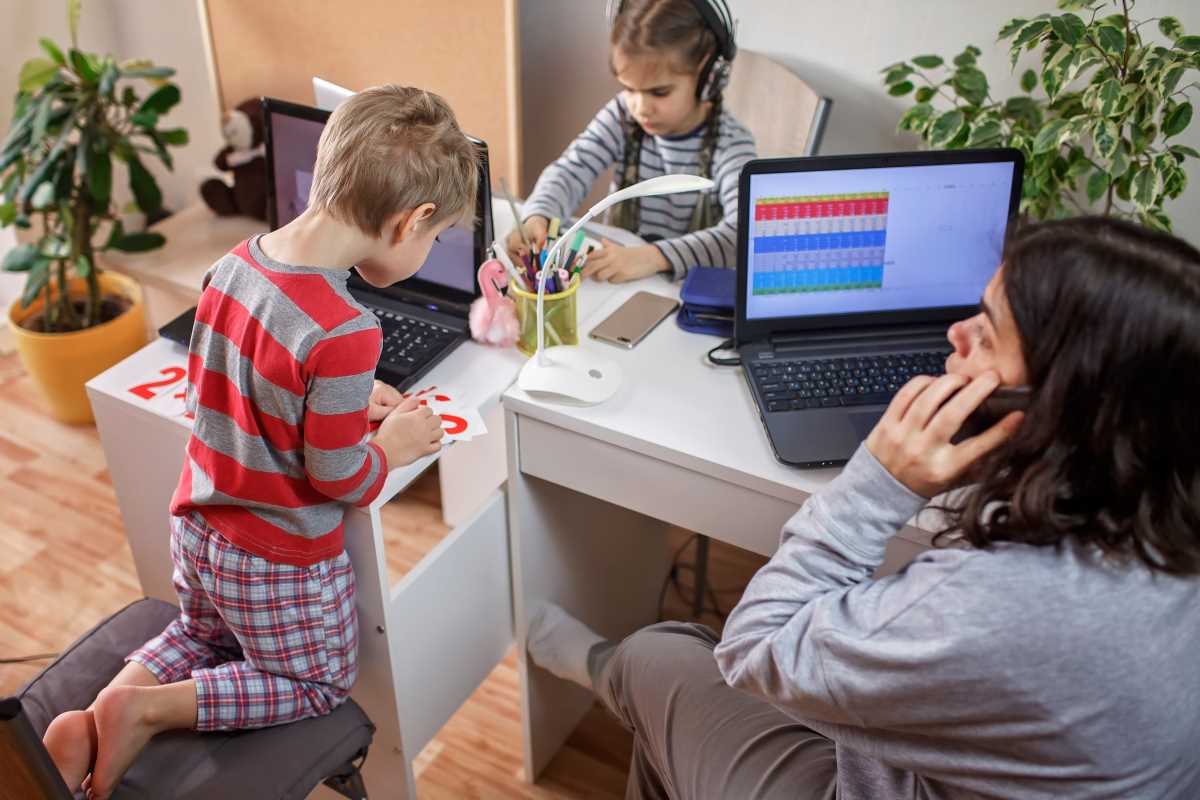
Working from home offers incredible flexibility, but it blurs the lines between your professional and personal life. The biggest challenge for many remote-working parents is managing interruptions from their children. A child's need for attention doesn't stop just because you are on a video call. This constant juggling act can lead to frustration for both you and your kids, impacting your productivity and their sense of security. Successfully dealing with this dynamic requires clear, consistent boundaries. We are going to share some strategies for communicating your work needs to your children, creating a structured environment that respects everyone’s time, and making your remote work life more manageable and less stressful.
1. Create a Dedicated and Visual Workspace
Your physical environment sends a powerful message about your availability. Working from the couch or the kitchen table invites interruptions because those are shared family spaces. A designated workspace acts as the first line of defense in setting a boundary.
Define Your Office Zone
This doesn't have to be a separate room with a door. It could be a corner of the living room, a desk in your bedroom, or even a converted closet. The important thing is to physically separate your work area from the rest of the home. Use a small rug, a bookshelf as a divider, or even a folding screen to visually cordon off your space. This helps your brain switch into "work mode" and signals to your family that this specific area is for your job.
Use Visual Cues for "Do Not Disturb"
Children, especially younger ones, respond well to simple, visual signals. Create a traffic light system that you can hang on your door or desk.
- Green Light: "Come on in! I'm available for a quick chat or a hug."
- Yellow Light: "I'm busy, but you can interrupt me for something urgent."
- Red Light: "Do not disturb unless it's an emergency. I'm on a call or focusing deeply."
You can make this a fun craft project with your kids so they feel involved in the process. This visual system helps them to understand your availability without having to ask, reducing the number of times they have to hear "not right now."
2. Structure Your Day Like an Office
Kids thrive on routine and predictability. A structured schedule helps them understand when you are working and when you are available to them. This reduces their anxiety and their need to constantly check in on you.
Post a Family Schedule
Create a large, visible schedule on a whiteboard or a piece of poster board. Block out your work hours, meeting times, and, most importantly, your break times. Include their schedule as well, showing time for school, snacks, independent play, and "Mom/Dad Time."
Seeing that you have dedicated time for them later in the day makes it easier for them to be patient. Scheduling a 15-minute "Snack and Chat" break every afternoon gives them a concrete time to look forward to, reducing their impulse to interrupt you an hour before.
Schedule "Interruption Times"
This might sound counterintuitive, but planning for interruptions can actually reduce them. Let your kids know they have a few "Interruption Tickets" they can use throughout the day for non-emergencies. This teaches them to think about whether their request is truly important or if it can wait. It also validates their needs while giving you more control over the flow of your day.
3. Communicate Boundaries Clearly and Consistently
Setting rules is useless without clear communication and consistent enforcement. Your words and actions need to align so your children learn what to expect.
Hold a Family Meeting
Sit down with your kids and explain your work-from-home situation in age-appropriate terms. Say something like, "My job requires me to talk to people on my computer without being interrupted, just like your teacher needs you to be quiet when she is talking." Explain the new rules and the visual cues you will be using. Frame it as a team effort where everyone helps each other have a good day.
Use a Consistent Script
Every time you are interrupted during a "red light" time, respond in the same calm, firm way. Avoid getting frustrated. A good script is: "I see you, and I love you. The sign is red right now, which means I can't talk. I will come find you as soon as I'm finished." Then, immediately turn your attention back to your work. This consistent response teaches them that the boundary is real and that you will follow through on your promise to connect later.
4. Equip Them for Independent Play
A major reason for interruptions is boredom. Children who don't know what to do with themselves will naturally seek you out. Setting up engaging, independent activities is crucial for buying yourself focused work time.
Create an "Activity Box"
Rotate a special box of toys, games, and art supplies that only comes out during your work hours. The novelty will keep them engaged for longer. You can fill it with things like LEGOs, puzzles, coloring books, or sensory items like play-dough. Products like a Yoto Player, which is a screen-free audio player, can also be a fantastic addition. Kids can listen to stories, music, and podcasts independently, providing hours of entertainment without needing your direct involvement.
Prepare a Snack Station
Constant requests for snacks and drinks are a huge source of interruption. Create a designated snack drawer or a shelf in the pantry that your kids can access on their own. Fill it with pre-portioned, parent-approved snacks and drinks. This fosters their independence and removes you from the role of "kitchen attendant" during the workday.
5. Leverage Technology to Your Advantage
Headphones are the universal symbol for "I am busy." They can be a powerful tool for both blocking out household noise and signaling your unavailability to your family.
Invest in Noise-Canceling Headphones
A good pair of noise-canceling headphones, like the Bose QuietComfort series, is a game-changer for remote parents. They can filter out the sounds of cartoons and kids playing, allowing you to focus deeply on your work even in a loud environment.
The "Headphones On" Rule
Establish a simple rule: "Headphones on means Mom/Dad is working." This is a clear, non-verbal cue that is easy for even young children to understand. Teach them to tap you on the shoulder if they need something urgently, rather than shouting your name. This respectful approach helps maintain a calm atmosphere.
6. Be Present During Your Breaks
The effectiveness of your boundaries during work hours depends heavily on how present you are during non-work hours. Kids are more likely to respect your work time if they know they will get your undivided attention later.
Put Your Phone Away
Your scheduled breaks are for your kids. Put your work phone down, close your laptop, and give them your full attention. Just 15 minutes of focused playtime, reading a book together, or listening to their stories can fill their "attention tank" enough to last them until your next break.
Stick to Your Log-Off Time
Honor the end of your workday. Logging off at the time you said you would builds trust. It shows your kids that your work has an endpoint and that family time is a priority. This makes them more willing to be patient during the day because they know your work won't bleed into their evening.