Think of the classic Sunday meal prep ritual. You spend four hours hacking away at sweet potatoes and grilling chicken, only to end up with five identical, sad-looking containers. By Wednesday, the thought of eating that dry chicken again makes you want to order takeout instead. You do not need to lose your entire Sunday to the kitchen to eat well during the week.
Rising food costs have pushed 78% of US consumers to eat at home more often to save cash.¹ But saving money should not mean sacrificing flavor or spending your entire weekend washing dishes.
Prepping smart is a tool to fight decision fatigue. When 1:00 PM hits and your brain is fried from meetings, you do not want to figure out what to cook. A modern prep approach keeps your food tasting fresh on Friday while giving you your weekend back.
The Art of Batch Cooking for Work Week Success
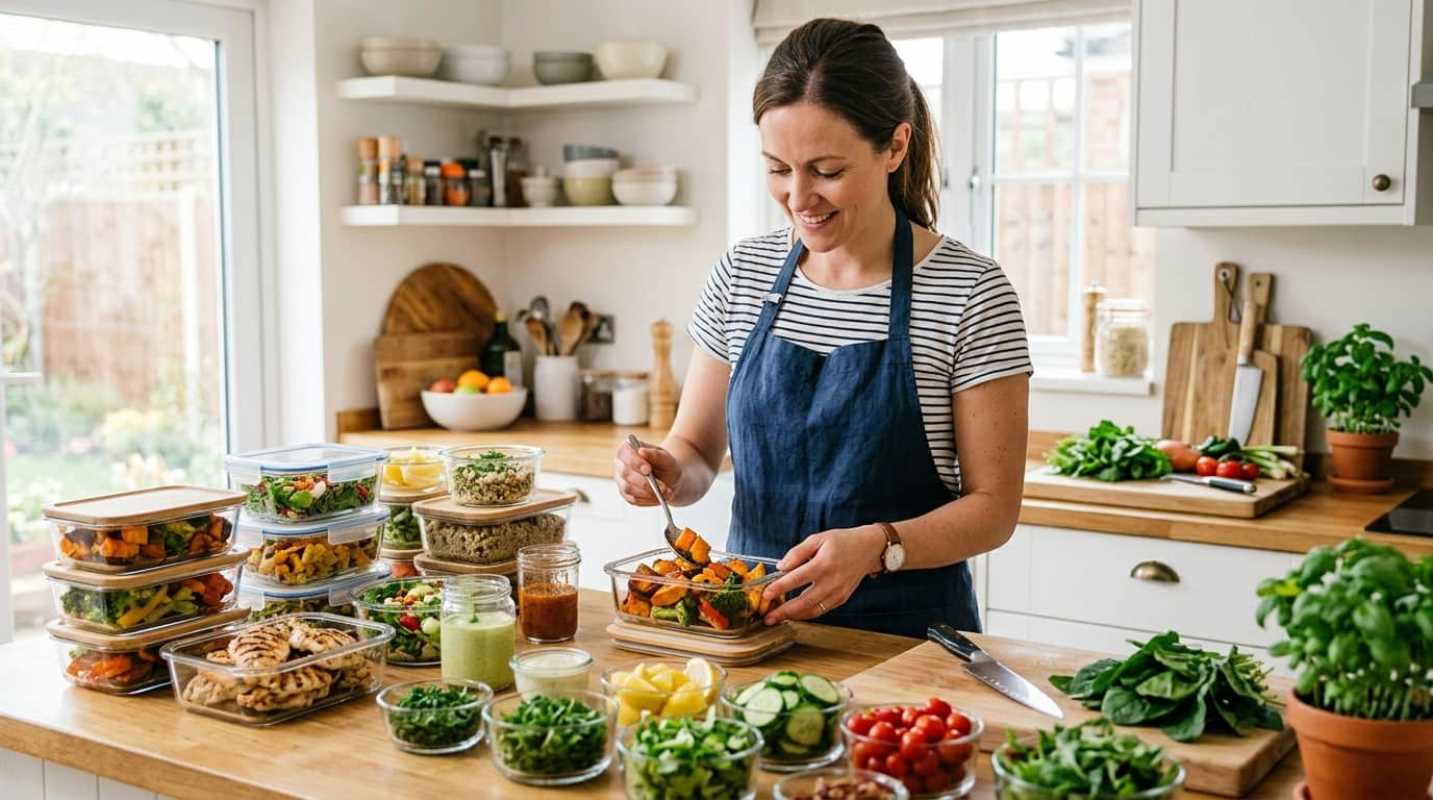
The secret to avoiding flavor boredom is component cooking. Instead of assembling complete meals on Sunday, you prep individual, versatile building blocks.
Think of it like building a personal salad bar in your fridge. You cook a few simple bases, and then you mix and match them throughout the week. This keeps your meals exciting and prevents that dreaded Wednesday food fatigue.
To make this approach work, you need high-yield ingredients that actually stay fresh for five days.
• High-protein bases: Seasoned black beans, baked tofu, and shredded chicken breast hold up beautifully in the fridge.
• Sturdy grains: Quinoa, farro, and brown rice maintain their texture without getting mushy.
• Roasted vegetables: Broccoli, bell peppers, and Brussels sprouts add instant bulk and nutrition to any plate.
Once your components are cooked, you must handle them correctly to keep them safe. Packing warm food traps steam and creates condensation. This excess moisture pools at the bottom of your container, making your vegetables soggy and creating a breeding ground for bacteria. Let your batch-cooked food cool completely on the counter for up to two hours before sealing and refrigerating.
Tailored Meal Planning for Remote Workers
Working from home sounds like a dream for your diet because you have constant access to your kitchen. In reality, that access is a double-edged sword.
Have you found yourself standing in front of the open fridge at 2:00 PM, staring blankly at condiments, only to grab a bag of chips? Or maybe you skip lunch entirely because of back-to-back virtual meetings. Remote workers save an average of $6,000 annually on transit, clothes, and outside meals, but you need a system to protect your time and energy.²
Prepping high-protein, quick-assembly lunches keeps you out of the afternoon slump. When you have prepped components ready, you can build a fresh lunch in under five minutes.
To make this work, you must establish clear boundaries. Close your laptop, step away from your workspace, and use your kitchen break to assemble your meal. It gives your brain a rest and makes sure you actually eat a real lunch.
Smart Storage and Preservation Hacks
Your containers matter just as much as your cooking skills. If you are still using warped, stained plastic containers, it is time for an upgrade. Glass containers are non-porous, do not absorb food odors, and provide a superior airtight seal that keeps your food fresh for days.
To keep your meals from getting soggy, use a few simple preservation hacks.
• The freezer pipeline: Keep three days of prepped food in the fridge and freeze the rest on Sunday. Move a frozen portion to the fridge 24 hours before you want to eat it to let it thaw safely.
• Deconstructed packaging: Store dressings, sauces, and watery vegetables like tomatoes in separate small containers. Only combine them with your grains and proteins right before eating.
• The microwave steam hack: Refrigerators dry out food over time. When reheating, add a splash of water or broth to your plate and cover it loosely to trap the steam and restore moisture.
Executing the Approach with a Realistic Weekend Workflow
You do not need a full day in the kitchen to set yourself up for the week. You can easily complete your entire prep in a single 90-minute session.
The trick is to overlap your cooking methods. Although your sweet potatoes and chicken roast in the oven, simmer your quinoa on the stove. Although those cook, chop your raw veggies, and whisk together a couple of flavorful sauces.
Focus on multi-purpose ingredients that can change flavor profiles with different seasonings. Like, a simple batch of shredded pork can become taco bowls on Monday, a quick stir-fry on Tuesday, and a savory wrap on Wednesday. By changing the sauces and toppings, you get completely different meals from the same basic ingredients.
Building the Habit of Consistency Over Perfection
Forget about making your fridge look like a curated social media feed. Focus instead on making your daily life easier.
If your plans change and you go out for lunch with a colleague on Thursday, that is perfectly fine. The global meal prep market is growing rapidly because busy professionals need flexibility, not rigid rules.³ Your prep should serve your schedule, not control it.
Start small this weekend. Try prepping just your lunches for the next three days. Once you feel the relief of a stress-free midday break, you will want to make it a permanent habit.
Sources:
1. Instacart Home Cooking Report
https://company.instacart.com/ideas/cooking-statistics
2. Neat State of Remote Work Report
https://us.neat.no/resources/the-state-of-remote-work-2025-statistics/
3. Market Reports World Meal Prep Market Analysis
https://www.marketreportsworld.com/market-reports/meal-prep-market-14713709